Why does my watch feel uncomfortable only after a few hours of wear
Why Discomfort Develops Over Time While Wearing a Watch
After wearing a watch for a few hours, it may start to feel tight, itchy, or leave noticeable marks on your skin—despite seeming perfectly comfortable when you first put it on. This kind of delayed discomfort can interrupt your day, whether you’re working at a desk, walking around, or just trying to keep track of time. Several factors contribute to why a watch can feel fine at first but become bothersome with prolonged wear.
How Fit Changes Throughout the Day
One of the most common reasons for delayed discomfort is the natural fluctuation in your wrist size. Throughout the day, changes in body temperature, hydration, and physical activity can cause your wrist to swell slightly. A watch that fits snugly in the morning might become too tight by afternoon. This can lead to pressure marks, restricted circulation, or even numbness, especially if the band is not adjustable or lacks flexibility.
For example, after a long period of typing, the back of your wrist might feel sore where the clasp or band presses into the skin. If your band is non-stretchy, such as a metal bracelet or a thick leather strap, it may not accommodate these subtle changes, resulting in discomfort after several hours.
Material-Specific Reactions
Different watch band materials interact with skin and moisture in distinct ways. Over a few hours, this can affect comfort, particularly if the material does not allow skin to breathe or if you’re sensitive to certain substances.
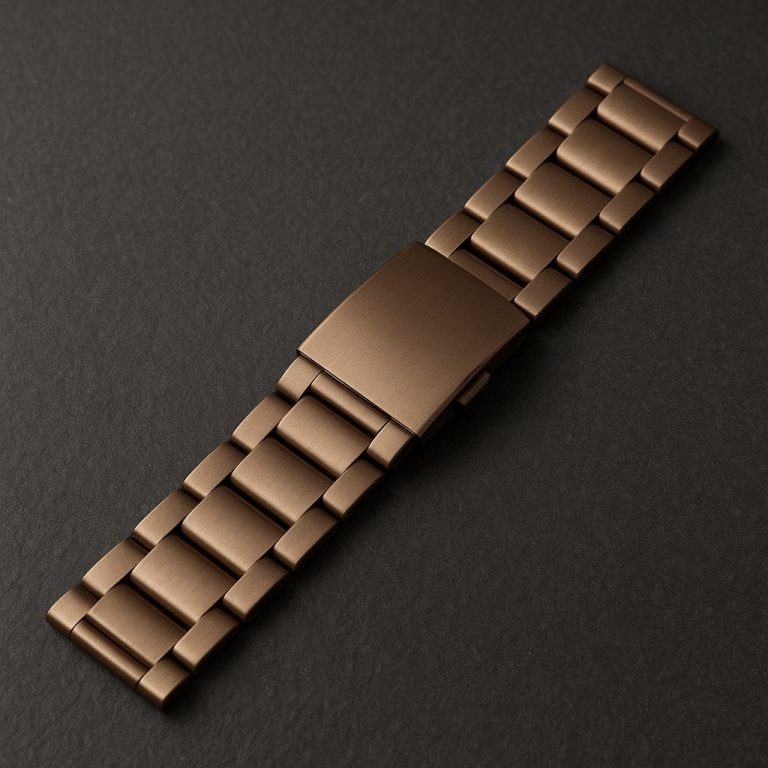
- Metal Bands: Stainless steel is the most commonly used metal for watch bands due to its resistance to corrosion and general durability. However, metal bracelets often have little flexibility. Links and clasps may pinch skin or pull hairs, especially as your wrist moves. Sweat can also make metal feel slick or cold, increasing irritation as the day goes on.
- Leather Bands: Leather is a popular choice for its classic appearance, but it tends to absorb sweat and moisture. Prolonged contact can soften the leather, causing it to stretch or stick to the skin. Some people experience itching or mild dermatitis from the dyes or chemicals used in leather processing, which may only appear after several hours.
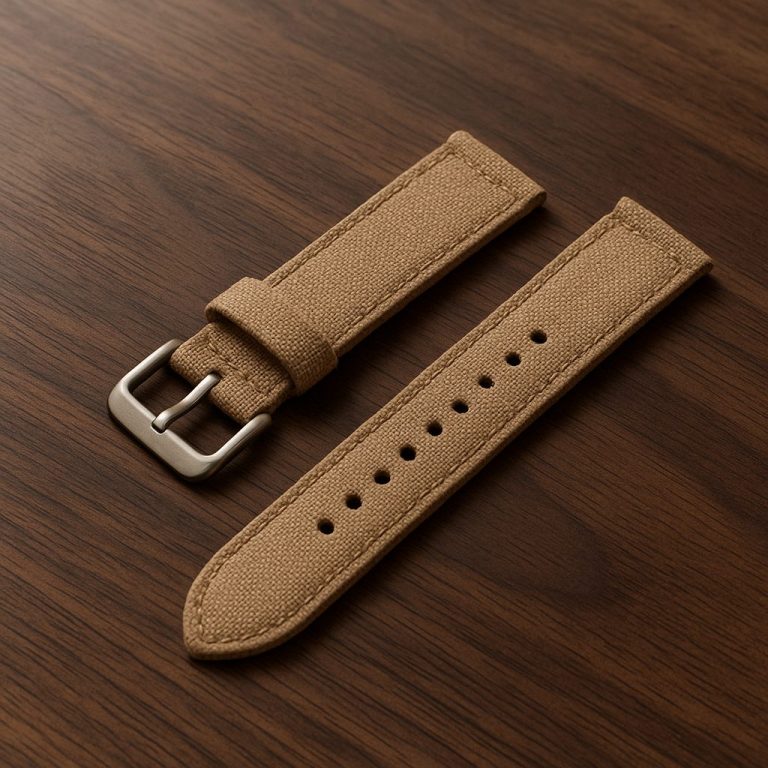
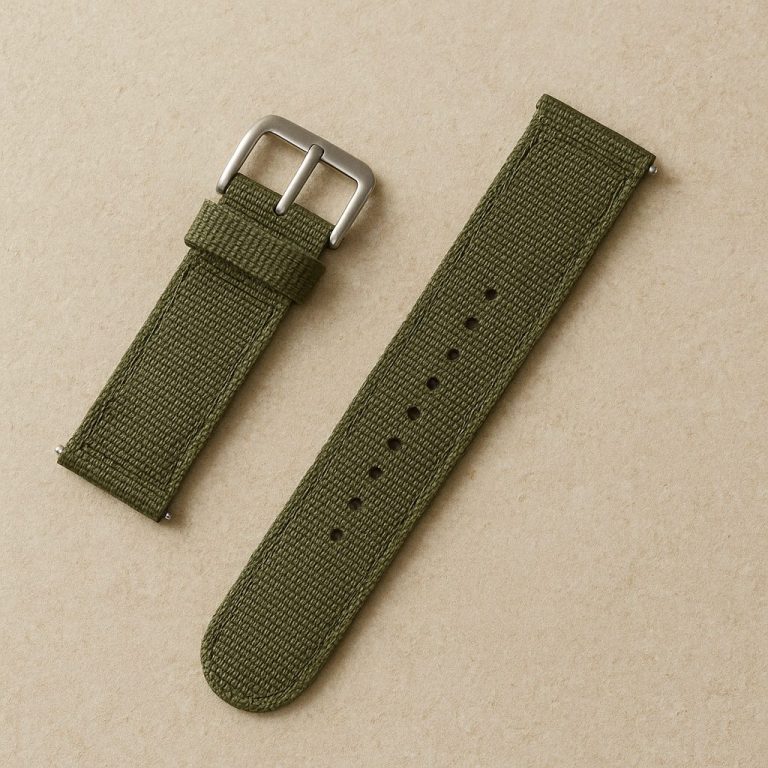
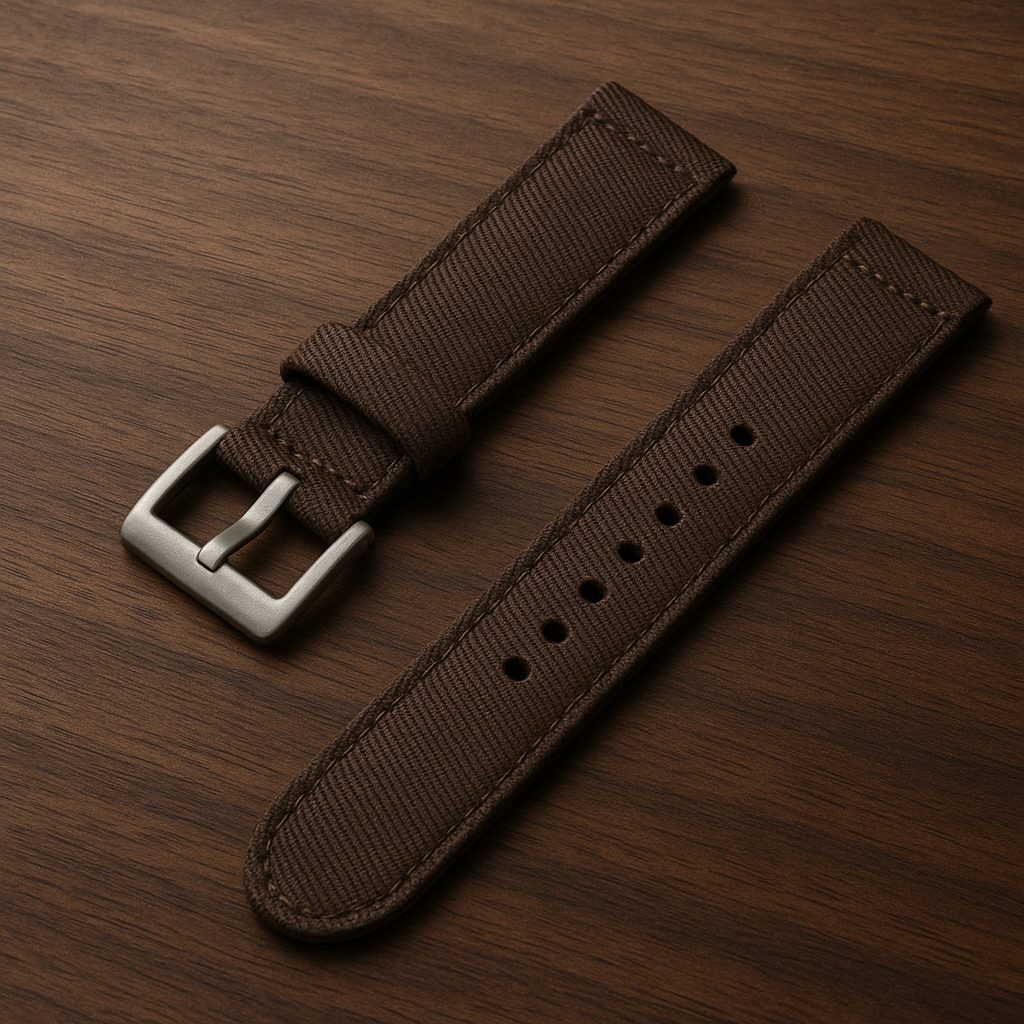
- Fabric Bands: Most fabric watch bands are made from nylon or nylon blends. The weave, thickness, and elasticity of the fabric play a significant role in comfort. Dense, non-breathable weaves can trap sweat, leading to itchiness or chafing, while looser, softer weaves often feel more forgiving over extended wear. Some stretchy nylon bands can adjust to wrist swelling, but others may become saturated with moisture, particularly in warm weather.
- Silicone Bands: Silicone bands are valued for their flexibility and water resistance. However, they can trap sweat under the band, creating a slippery or sticky feeling after a few hours. Some people develop redness or irritation from skin contact, especially if the band is worn tightly or not regularly cleaned.
Band Design and Pressure Points
A watch band’s design can influence long-term comfort. If the ends of the band, buckle, clasp, or other hardware press against your wrist, pressure points can develop over time. Bands with bulky buckles or clasps, especially those positioned on the underside of the wrist, may gradually dig into the skin or create uneven pressure during extended wear.
For example, a metal clasp may feel unobtrusive at first but become uncomfortable when resting your wrist on a hard surface for long periods, such as while typing or using a keyboard.
| Band Material | Common Discomforts After Hours of Wear | Typical Adjustment Features |
|---|---|---|
| Stainless Steel | Pinching, pulling hairs, pressure marks, cold or sweaty feel | Removable links, clasp micro-adjustments |
| Leather | Sticking to skin, stretching, itchiness, odor retention | Pinhole adjustment, sometimes limited stretch |
| Nylon or Fabric | Chafing, moisture retention, skin indentations | Buckle holes, some elasticity in certain weaves |
| Silicone | Trapped sweat, stickiness, skin irritation | Buckle holes, high flexibility |
Skin Sensitivity and Hygiene Factors
Skin sensitivity can make a watch band feel uncomfortable after a few hours even if the fit and material seem appropriate. Sweat, dust, and dead skin can build up underneath the band, especially if the area is not regularly cleaned. This can lead to itching, rashes, or even mild abrasions. Some individuals may be sensitive to metals like nickel, which can cause irritation that only appears after extended skin contact.
Washing the wrist and band daily or after intense activity can reduce this buildup, but some materials require more frequent cleaning than others. For example, silicone and nylon bands are usually easier to clean, while leather is more prone to absorbing sweat and odors.
Physical Activity and Positioning
Wrist movement and positioning can cause a watch to shift, leading to rubbing or pressure. Activities such as typing, carrying bags, or exercising can press the watch into the skin or cause the band to slide, gradually increasing discomfort. A band that feels perfect while your arm is relaxed might become problematic during repetitive motions or if worn tightly in one spot for too long.
As a practical example, loosening the band by a single notch before a long walk may help prevent red marks or pinching, especially with less flexible bands like metal or leather.
Recognizing and Addressing the Source of Discomfort
When your watch only feels uncomfortable after several hours, it’s usually due to a combination of fit, material interaction with skin, and how the band responds to changes in your wrist throughout the day. Paying attention to when and how discomfort develops—whether it’s after physical activity, during hot weather, or following long periods at a desk—can help you identify which aspect is causing the issue. Adjusting the fit slightly, cleaning the band and wrist more frequently, or considering a band with better breathability or flexibility for your daily routine can make a noticeable difference in long-term comfort.
Making Your Watch More Comfortable for Extended Wear
If your watch only becomes uncomfortable after a few hours, examining the specific way the band fits, the materials it’s made from, and how it interacts with your daily activities can reveal simple adjustments to improve your experience. Small changes, like loosening the band slightly or alternating between different band materials, often prevent discomfort from building up. Regular cleaning and attention to skin health also support all-day comfort, regardless of the type of watch you wear.