What changes to expect as a watch band gets older
Visible Signs of Aging on Watch Bands
A watch band that once looked crisp and fitted snugly may begin to show fraying edges, surface scratches, or faded color after years of regular wear. These changes don’t happen overnight but appear gradually, often starting as small imperfections that become more noticeable over time. Recognizing common signs of aging can help determine when a band needs attention, cleaning, or eventual replacement.
Material-Specific Changes Over Time
The way a watch band ages depends largely on its material. Each type—metal, leather, fabric, and silicone—develops its own set of characteristics and issues as it gets older. Understanding these differences can help in both daily care and long-term maintenance.
Metal Bands
Most metal bands are made from stainless steel because of its durability and resistance to corrosion. Over years of use, metal bands can develop:
- Surface scratches: Everyday contact with desks, clothing, and other surfaces gradually mars the finish, especially on polished links.
- Stretched links: The pins or screws connecting links can loosen, causing the band to feel looser and less secure.
- Discoloration: Sweat, water, or exposure to chemicals can dull the shine or leave small spots, especially if the band is not cleaned regularly.
- Clasp wear: The clasp mechanism may become less crisp, sometimes failing to close securely.
For example, a metal bracelet that once fit perfectly might begin to sag or rattle more as the links and pins wear down. Regular gentle cleaning and periodic check-ups can slow this process.
Leather Bands
Leather bands tend to display aging through visible and tactile changes, including:
- Cracking and splitting: Exposure to moisture, sweat, or sunlight dries out the leather, leading to surface cracks or deeper splits.
- Stiffness or softness: Some leathers become brittle, while others soften excessively, losing their original shape and support.
- Discoloration: The band may darken or develop uneven tones, especially where it touches skin or clothing.
- Odor: Absorbed sweat and moisture can cause lingering smells that are difficult to remove.
For instance, a leather band that is frequently worn during warm weather may develop noticeable creases and a slight musty smell after a year or two. Regular wiping and occasional conditioning help extend its life, but visible aging is inevitable with daily use.
Fabric Bands
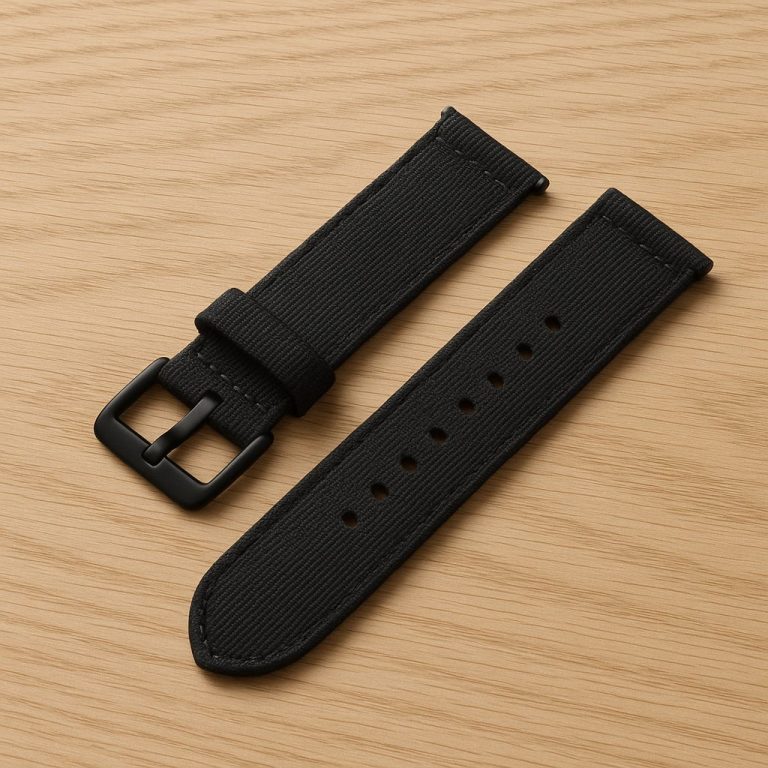
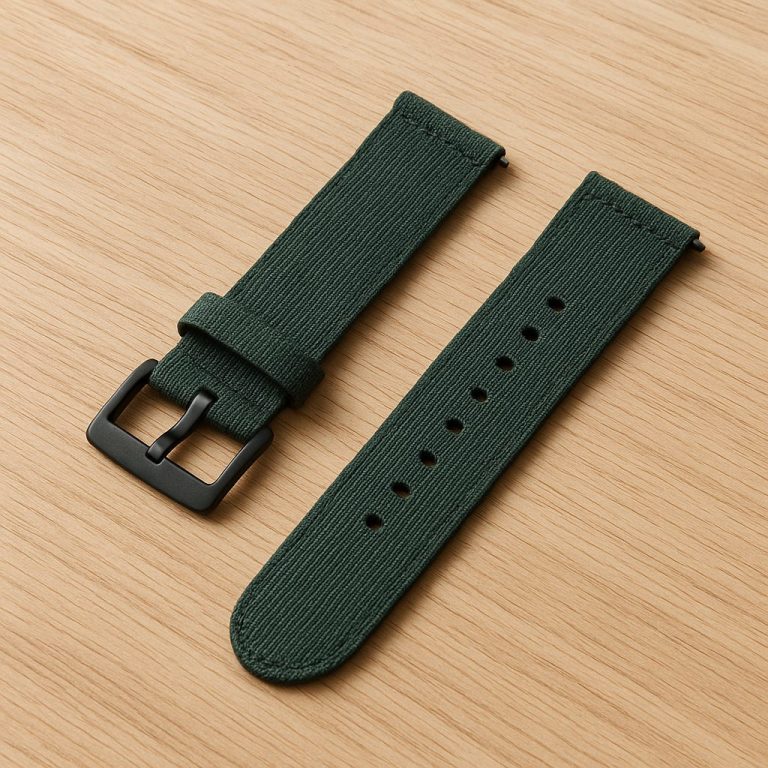
Most fabric watch bands are made from woven nylon or nylon blends, which vary in weave density, thickness, and elasticity. As these bands get older, they typically show:
- Fraying: Edges, holes, and stitching points can develop loose threads, especially on bands with a looser weave or substantial texture.
- Fading: Color loss from sun exposure, sweat, or washing can leave bands looking washed-out or patchy.
- Stretching: Elasticity can decline, causing the band to fit less securely or become misshapen.
- Odor and staining: Prolonged moisture exposure can lead to persistent odors or darkened spots, particularly if not dried thoroughly after getting wet.
A practical example is a nylon strap that becomes visibly lighter along the outer edge and slightly stretched at the holes after several years of daily wear. Occasional hand washing and air drying can help maintain appearance, but some stretching and fading are difficult to avoid over time.
Silicone Bands
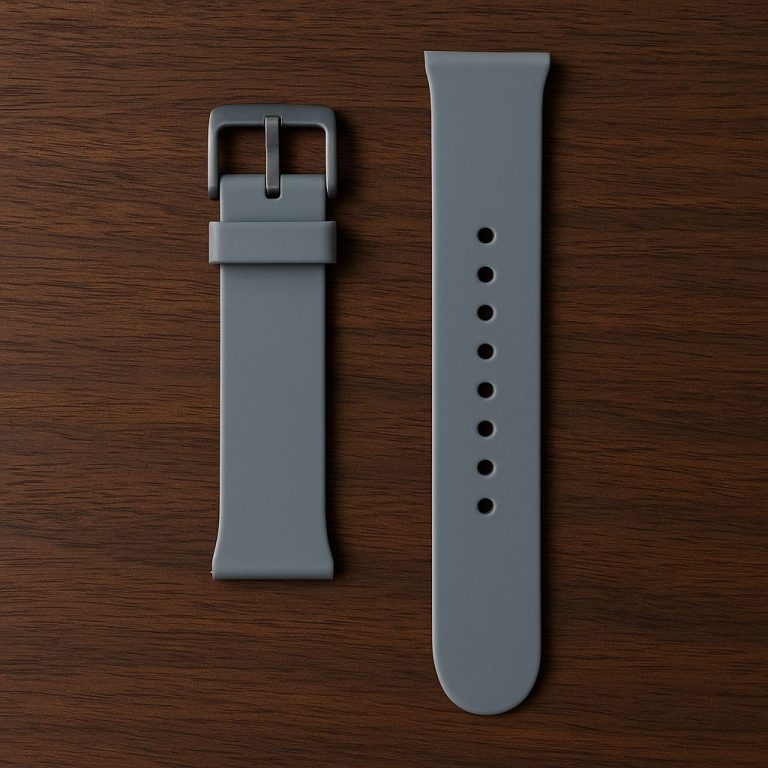
Silicone bands are popular for their flexibility and resistance to sweat and water, but they also display distinct aging patterns:
- Surface wear: The smooth finish can become dull, sticky, or attract lint and dust more readily as the material degrades.
- Color change: Vibrant colors may fade, especially on bands exposed to frequent sunlight or chlorine.
- Loss of elasticity: Older silicone can become less flexible, sometimes leading to small tears or splits near adjustment holes or where the band bends most.
- Cracking: Rare but possible, especially in very thin bands or those frequently bent sharply.
For instance, a silicone band worn for workouts may gradually lose its bright color and develop a slightly tacky surface after a year or more, even with regular cleaning. Keeping the band clean and storing it away from direct sunlight can slow some of these changes.
Common Symptoms Table
| Material | Visible Changes | Functional Changes |
|---|---|---|
| Metal | Scratches, dullness, stretched links | Loose fit, worn clasp |
| Leather | Cracking, discoloration, creasing | Loss of shape, stiffness or excessive softness |
| Fabric (Nylon) | Frayed edges, fading, staining | Stretching, odor retention |
| Silicone | Color fading, surface dullness, dust attraction | Loss of flexibility, small tears |
Impact on Daily Wear and Watch Security
Aging isn’t just a cosmetic concern. Watch bands that have stretched, cracked, or lost their original structure can affect how securely the watch stays on the wrist. For example, a stretched metal bracelet might come undone if the clasp is also worn, while a cracked silicone band could eventually snap. Leather bands that become too soft may detach from the spring bar or quick-release pin, especially if the hole near the buckle wears through. Fabric bands that stretch or fray might not hold the watch as tightly, increasing the risk of accidental drops.
When to Replace vs. Maintain a Watch Band
Deciding between continued maintenance and replacement depends on the extent of the changes. Surface scratches on a metal band or light fraying on a nylon strap are usually cosmetic and do not affect function. However, significant stretching, deep cracks, or compromised attachment points signal a need for replacement to ensure the watch remains secure. Regular inspection—especially where the band meets the watch case—can prevent unexpected failures during use.
Recognizing and Responding to Aging Signs
Visible aging is a natural part of watch band life. Noticing these changes early—such as a stiff leather band, stretched metal links, or faded nylon—allows for timely cleaning, conditioning, or adjustment before they become more serious issues. In some cases, simple care can extend the usable life of a band, but knowing when to replace it is essential for maintaining comfort and security on the wrist.