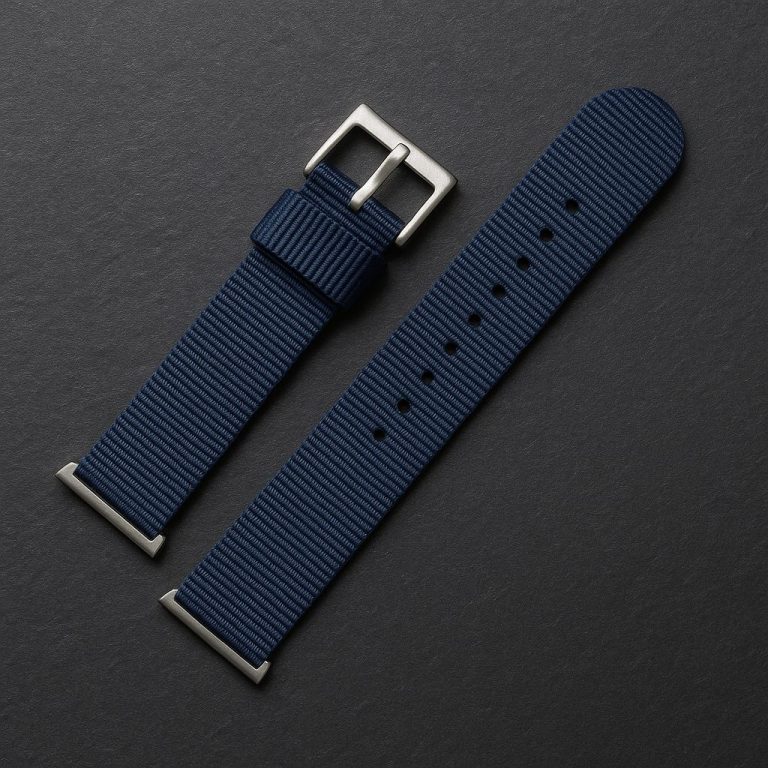
Why some watch bands end up becoming your everyday default
How One Watch Band Becomes the Go-To Choice
After cycling through several watch bands—metal bracelets, leather straps, and fabric options—you might notice yourself reaching for the same band every morning, almost by habit. Whether it’s a silicone band that seems to suit every situation or a worn-in leather strap that feels just right, a single band often becomes the default, even if others are available and in good condition.
Everyday Routines Shape Band Preference
The band that ends up on your wrist most of the time usually fits your daily routine without demanding extra thought. If your mornings are rushed, a strap that’s easy to fasten, such as a silicone band with a pin-and-tuck closure or a fabric strap with a hook-and-loop design, can save precious seconds. For someone who types for hours or frequently moves between meetings, a band that doesn’t shift, pinch, or catch on clothing quickly gains an advantage. Over time, this convenience encourages you to reach for the same band again and again.
Practical details—such as how easily a band can be wiped down after a gym session, or how well it holds up to sweat and water—may also play a role. For instance, silicone bands are often chosen for exercise or warm weather since they don’t absorb moisture. A fabric band made from tightly woven nylon might become a favorite simply because it dries fast after getting wet and doesn’t feel sticky against the skin.
Comfort Factors That Matter Most
Comfort is a common reason for sticking with one band. Each material interacts with the skin differently, and sensitivities can develop over time. Metal bracelets, most commonly made from stainless steel, tend to feel cool at first but may get heavy or pinch if not adjusted properly. Leather straps soften and mold to the wrist with use, eventually feeling almost custom-fitted. Silicone bands are flexible and lightweight, making them a low-maintenance option for all-day wear.
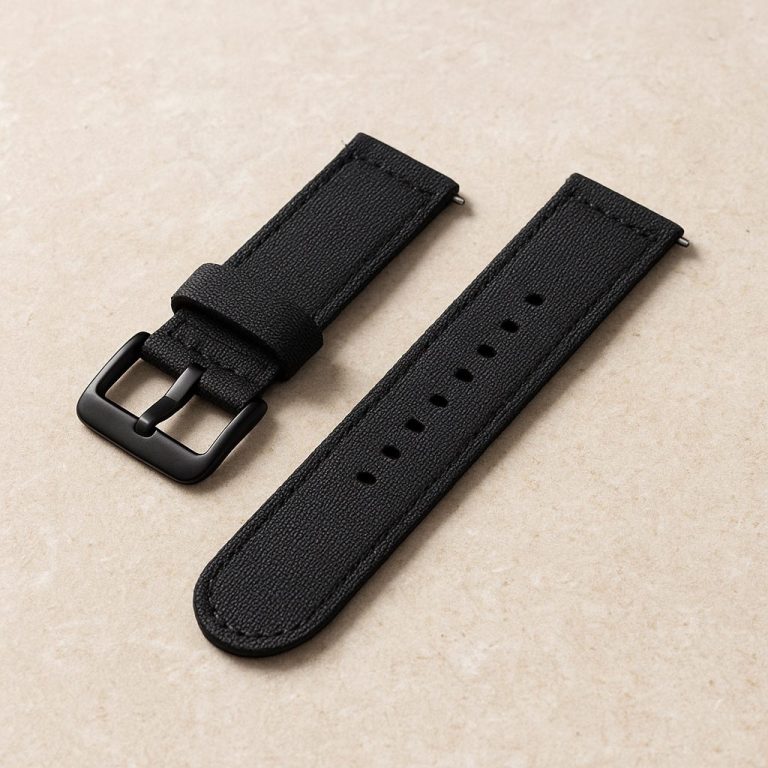
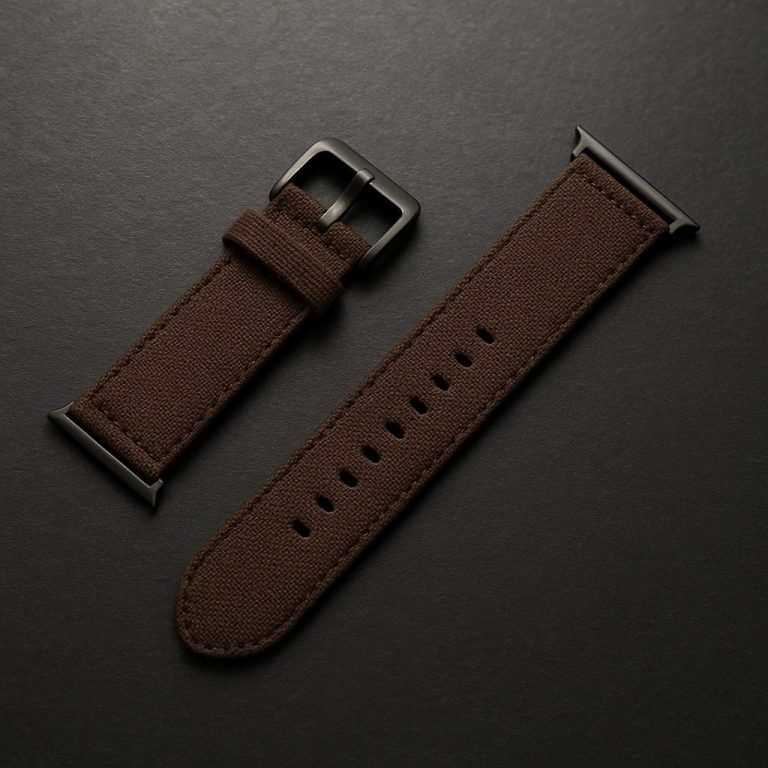
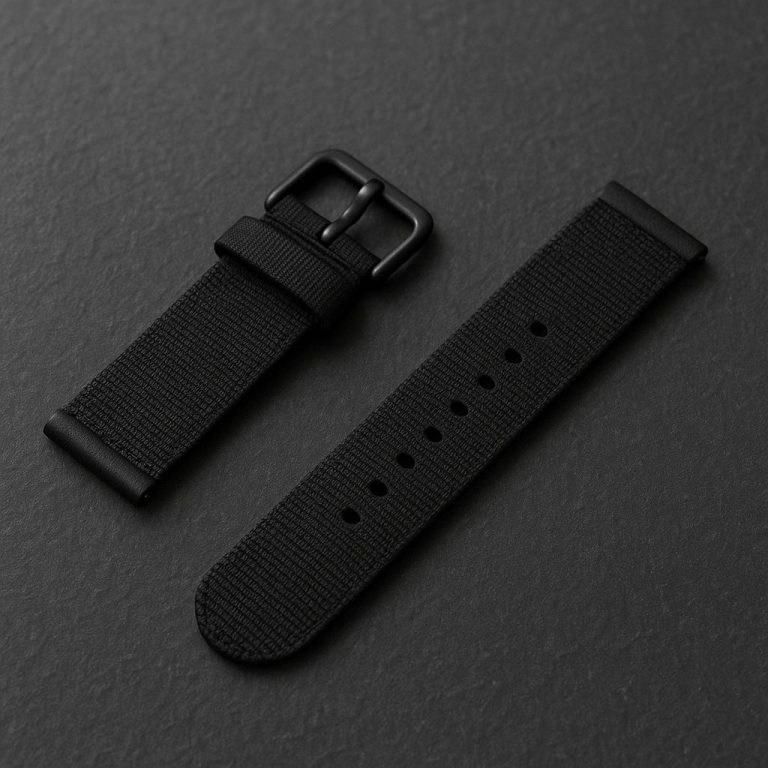
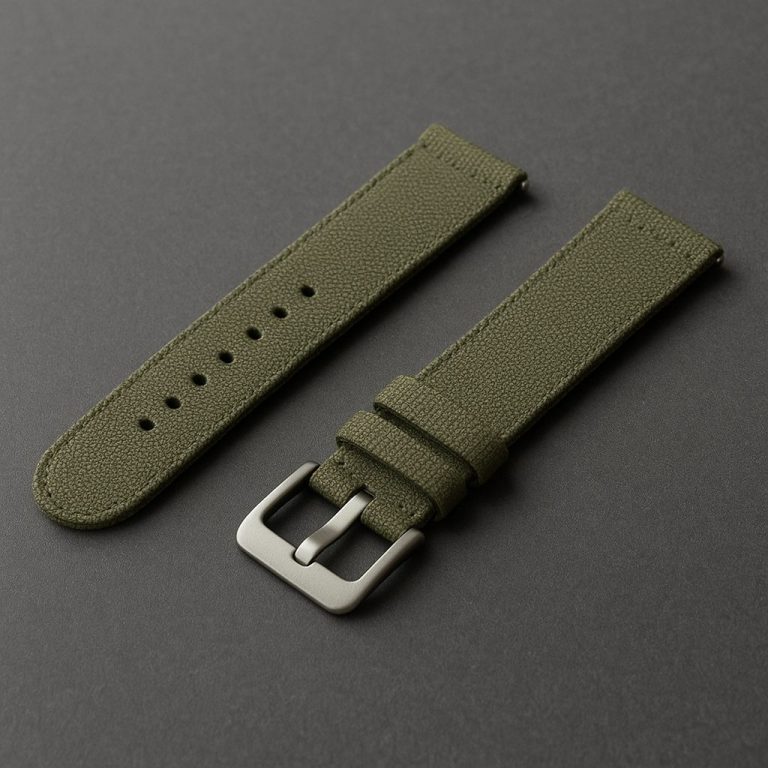
Fabric bands, usually crafted from nylon or blended fibers, offer a range of textures and thicknesses. Some are dense and sturdy, while others are thin and stretchy. A densely woven nylon band might feel more secure, while a softer, more elastic weave can adapt to wrist movements. Once a fabric band’s texture and elasticity match your comfort preferences, it’s easy to see why it becomes the default choice.
Durability and Maintenance in Real Life
Not all bands survive daily wear the same way. Leather ages with exposure to sweat and water, sometimes developing cracks or stains if not cared for. Metal bracelets resist wear and corrosion but may collect scratches or loosen over time. Silicone bands are generally unaffected by water and are easy to clean, making them well suited for activities where the watch gets dirty or wet. Fabric bands vary by weave and thickness; a tightly woven nylon strap may be more durable and stain-resistant compared to a looser, softer one.
Maintenance also plays a role. A band that can be rinsed or wiped clean without special products reduces hassle, especially if you wear your watch during workouts or outdoor activities. If you notice that you gravitate toward the band that needs the least attention, this is a practical outcome of daily life rather than a conscious decision.
Appearance and Versatility with Outfits
Style compatibility often influences which band becomes everyday wear. A neutral-colored silicone or fabric band might match most clothing choices, while a bold patterned strap or a polished metal bracelet could feel out of place in some settings. Leather straps, especially those in classic shades, can transition from casual to formal, but may not feel appropriate at the gym or beach.
Some people keep a favorite band attached simply because it “goes with everything,” minimizing the need to swap bands to suit different outfits. If a band’s look fits both work attire and weekend wear, it naturally becomes the default option.
Attachment and Ease of Swapping Bands
Changing bands is not always simple. Some watches require a tool to release spring bars, while others use quick-release pins that let you swap bands by hand. If your watch uses a more complicated attachment, you may avoid changing bands altogether, sticking with the one already installed. On the other hand, watches with user-friendly mechanisms make it easier to experiment with different bands, but only if you’re motivated to do so.
For example, if a silicone band with quick-release pins is already in place and handles every activity without issue, there’s little incentive to switch to a leather strap that requires extra effort to attach. Over time, convenience often outweighs novelty.
How Band Materials Affect Everyday Use
| Material | Common Features | Typical Everyday Benefits | Maintenance |
|---|---|---|---|
| Metal (usually stainless steel) | Durable, cool to touch, adjustable links | Resists water and wear, suits formal settings | Wipe clean; may scratch |
| Leather | Softens over time, molds to wrist | Classic look, comfortable after break-in | Avoid water; occasional conditioning |
| Fabric (mostly nylon blends) | Lightweight, woven or stretchy, various textures | Breathable, dries quickly, adaptable fit | Hand wash or rinse; can stain |
| Silicone | Flexible, lightweight, water-resistant | Ideal for sports, easy to clean, no odor retention | Rinse or wipe clean |
Personal Habits and Emotional Attachment
Even if several bands are available, personal habits and small preferences often determine which one gets the most use. A band that has developed a personal history—a leather strap worn during a memorable trip, or a fabric band that survived a tough hike—can become the default simply because it carries positive associations. Sometimes, the decision is less about logic and more about routine or comfort with the familiar.
Adapting to Changing Needs
Life changes can shift your default band. Someone who starts a new fitness routine may switch from leather to silicone for sweat resistance. If you start spending more time outdoors, a tightly woven nylon strap might become your go-to for its quick-drying ability. The key is that the band you wear daily is the one that most closely matches your current activities and preferences, not necessarily the one that came with the watch or looks best in a display case.
Why the Default Band Reflects Real-World Priorities
The band that becomes your everyday default is often the result of small choices made over time. It fits your routine, feels comfortable, requires little maintenance, and matches most situations you encounter. While you may have several options, the default band is the one that quietly proves itself in real-world use, adapting to your lifestyle and habits—often without you having to think about it each morning.