Why some watch bands start squeaking or making small noises over time
Recognizing Squeaks and Noises in Watch Bands Over Time
A watch that once felt silent and smooth may begin to produce faint squeaks or clicking noises as the band moves during daily activities. This can happen when twisting your wrist, typing, or adjusting the band, making the sound noticeable and sometimes distracting. Understanding why these noises develop can help you identify solutions or prevent them from becoming a persistent issue.
Common Causes of Squeaking and Noises in Watch Bands
Squeaking or small noises from watch bands typically result from friction, movement, or material changes that occur with regular use. The reasons can vary depending on the material of the band—metal, leather, fabric (often nylon or blends), or silicone—each with its own characteristics and sources of wear.
How Friction and Wear Lead to Noises
Most squeaks are caused by parts of the band rubbing against each other or against the components that attach the band to the watch. Over time, this repeated movement can wear away smooth surfaces or create small gaps. Moisture, dust, sweat, and skin oils may also work their way into these areas, changing how the materials interact and increasing noise potential.
Material-Specific Factors Affecting Watch Band Noise
| Band Material | Typical Noise Sources | Contributing Factors |
|---|---|---|
| Metal | Links or pins rubbing together | Wear, lack of lubrication, trapped debris |
| Leather | Strap rubbing at folds or buckle | Dryness, cracking, absorbed sweat |
| Fabric (Nylon/Nylon Blends) | Fibers moving or twisting at attachment points | Fraying, moisture, build-up of dirt |
| Silicone | Band sticking or rubbing at points of flex | Dust, skin oils, surface tackiness |
Metal Bands: Link and Pin Friction
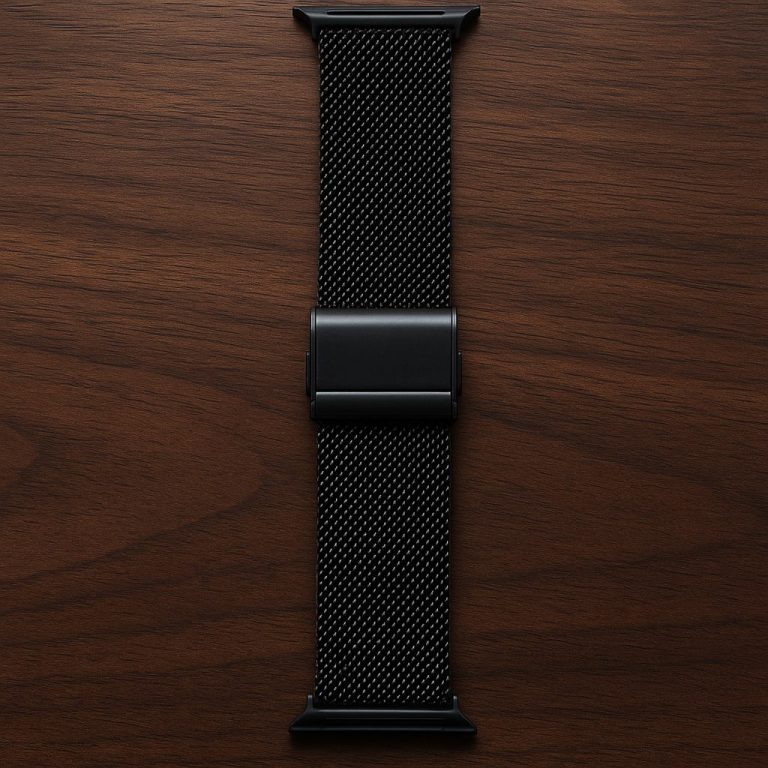
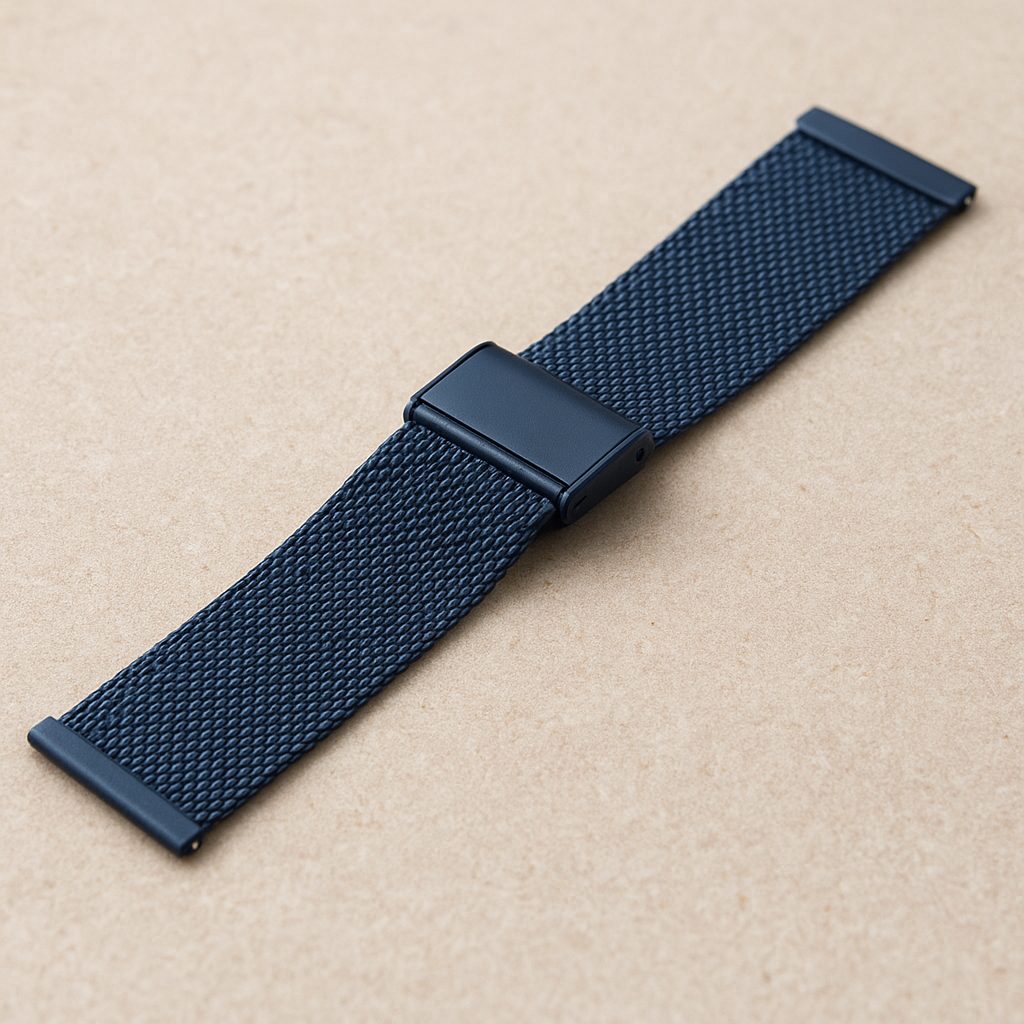
Stainless steel bands are the most commonly used metal due to their durability and corrosion resistance. Over time, the links and pins in these bracelets can wear down, leading to increased play and areas where metal components rub together. Lack of lubrication or accumulation of dirt and sweat can make the problem worse, amplifying the squeaking or clicking sounds. Sometimes, the noise is traced to the spring bars or quick-release pins that connect the band to the watch case, especially if they are dry or worn.
Leather Bands: Dryness and Flexing
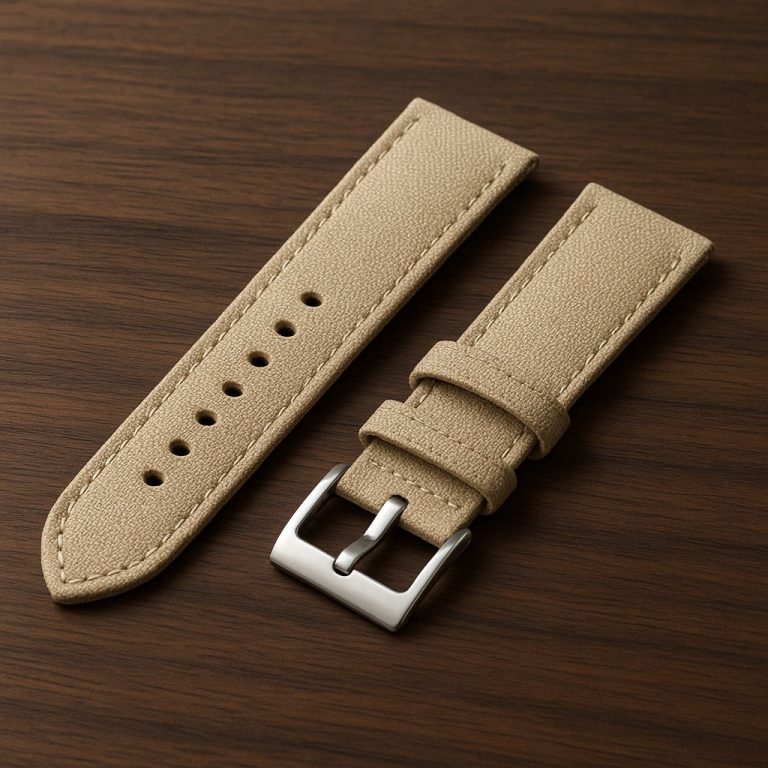
Leather bands can squeak when the material becomes dry or stiff, particularly at points where the strap bends around the buckle or loops. These noises often develop as natural oils in the leather are lost through time or exposure to moisture. Absorbed sweat or water can cause the leather to swell and then contract as it dries, which may increase friction between layers or at stitching points, generating faint creaks or squeaks.
Fabric Bands: Movement at Attachment Points
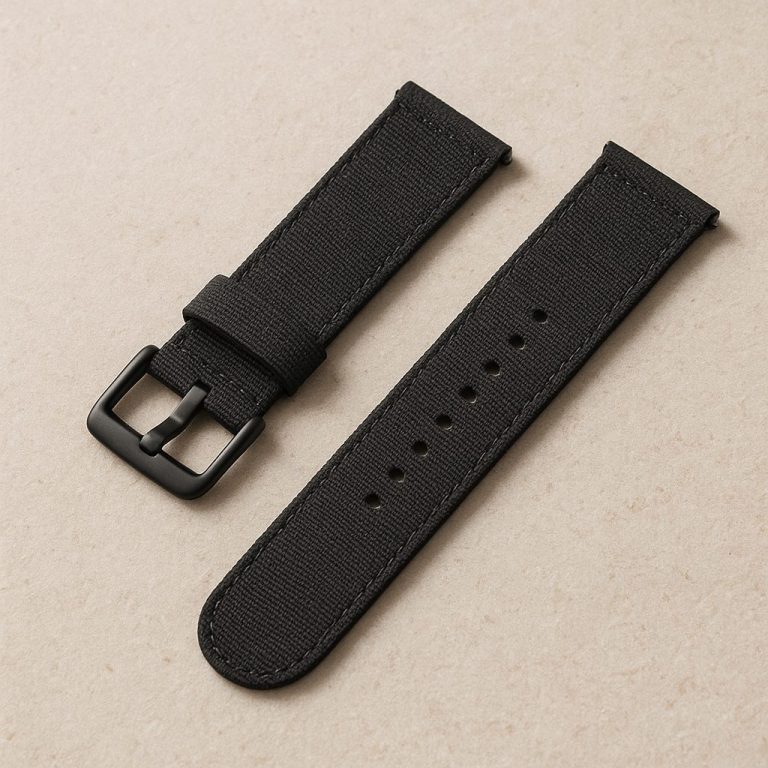
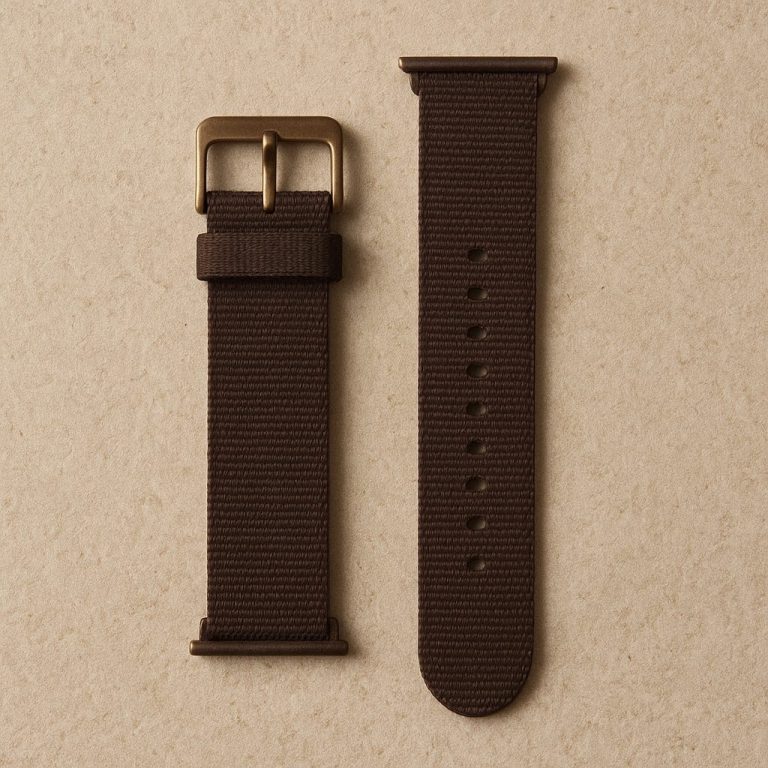
Most fabric bands are made of nylon or nylon blends, with variations in weave density, thickness, and elasticity. Over time, repeated bending and twisting can cause fibers at the attachment points or keepers to shift and rub against each other. If the weave starts to fray or loosen, or if the band becomes dirty or damp, the resulting friction may create subtle noises, especially when the band is flexed or adjusted on the wrist.
Silicone Bands: Surface Stickiness and Rubbing
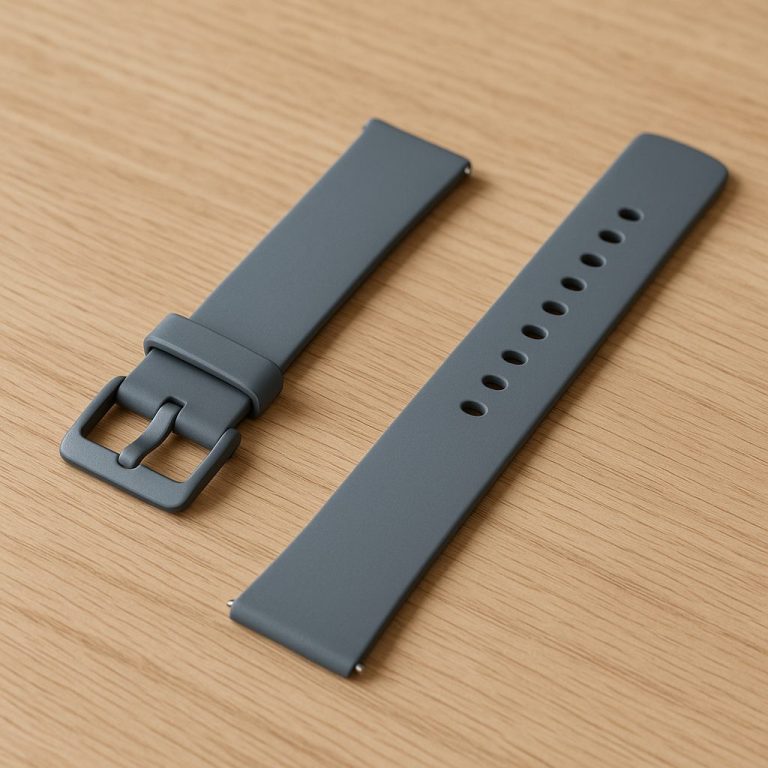
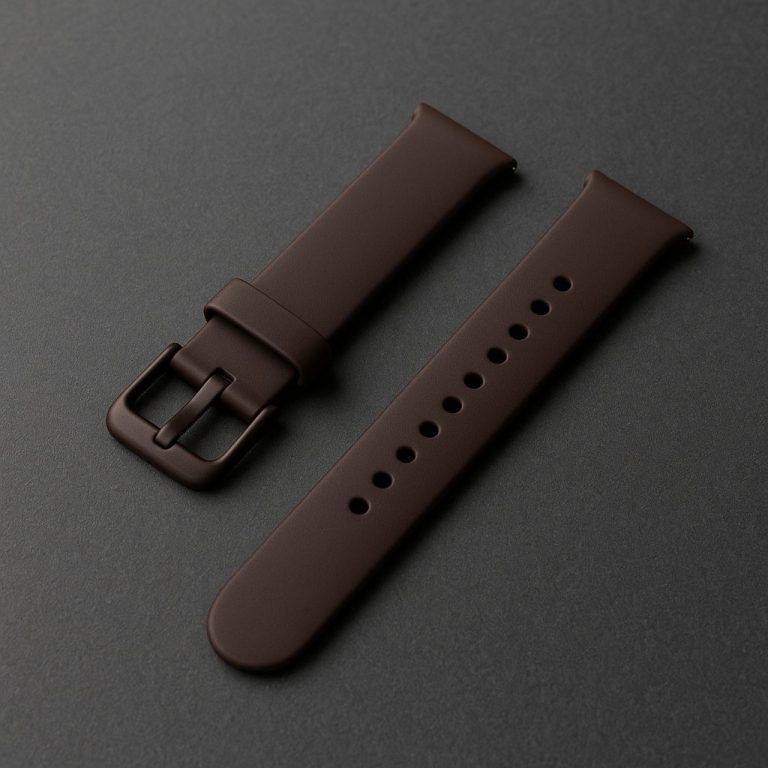
Silicone bands are known for their flexibility and smooth texture, but they can develop squeaks as their surfaces interact with either the skin or other parts of the band. Silicone can become slightly tacky from skin oils, dust, or soap residue, causing certain areas to stick together and then release with a faint sound during movement. This is often more noticeable where the band overlaps or passes through a keeper, or when adjusting the band after physical activity.
Environmental and Usage Factors
In addition to material-specific causes, environmental conditions and daily habits can contribute to squeaky watch bands. Factors such as humidity, exposure to water, changes in temperature, and regular movement all play a role. For example, a watch worn during sweaty workouts or in humid climates may accumulate more moisture and residue, accelerating wear and friction between moving parts.
Influence of Cleaning and Maintenance
Neglecting to clean a watch band can allow sweat, dirt, and skin oils to build up, especially in small crevices or between moving parts. For metal bands, occasional rinsing and drying can reduce friction. With leather, occasional conditioning helps preserve flexibility and prevent dryness. For fabric and silicone bands, a gentle wash with mild soap and thorough drying can minimize surface residues that lead to noise. For example, a silicone band that squeaks after a run may stop making noise after a quick rinse and dry, since the build-up of sweat and skin oils is removed.
When Noises Indicate a Larger Issue
Some squeaks are harmless and simply a result of normal wear. However, persistent or worsening noises can signal more significant problems, such as worn pins, stretched holes in leather, frayed fabric, or cracks in silicone. If a band becomes excessively noisy or feels loose, checking the attachment mechanism for damage or excessive play is important. Continuing to use a band with damaged components can lead to breakage or accidental loss of the watch.
Reducing and Preventing Watch Band Squeaks
In many cases, small noises can be reduced by keeping the band clean and dry, and by routinely checking for signs of wear. For metal bands, applying a tiny drop of a suitable lubricant to the pins or links (and wiping away excess) can help. Leather straps benefit from occasional conditioning to maintain flexibility. Fabric bands can be gently cleaned and trimmed of fraying fibers. Silicone bands should be washed regularly and fully dried, especially after exposure to sweat or water. If a noise persists or the band shows visible damage, replacing worn components or the entire band may be necessary for safety and comfort.
Practical Steps if Your Watch Band Starts Squeaking
When a watch band begins to squeak or make small noises, a few targeted steps can help:
- Identify the source by flexing, twisting, or adjusting the band in different places.
- Clean the band according to its material—mild soap for silicone and fabric, gentle wiping for leather, and proper rinsing for metal.
- Check for visible signs of wear, such as fraying, cracks, or loosened pins.
- Apply appropriate care, such as a drop of lubricant for metal links or conditioner for leather, if necessary.
- If cleaning and minor maintenance do not resolve the noise, consider consulting a watch specialist to assess for worn or damaged components.
Understanding the Subtle Signs of Watch Band Wear
Squeaks or small noises from a watch band are often early signs of friction, wear, or material changes. Recognizing these sounds and addressing them promptly can help extend the life of your watch band and maintain comfort during everyday use. Regular care, attention to environmental factors, and appropriate cleaning tailored to the band material are the most effective ways to keep your watch band quiet and reliable.