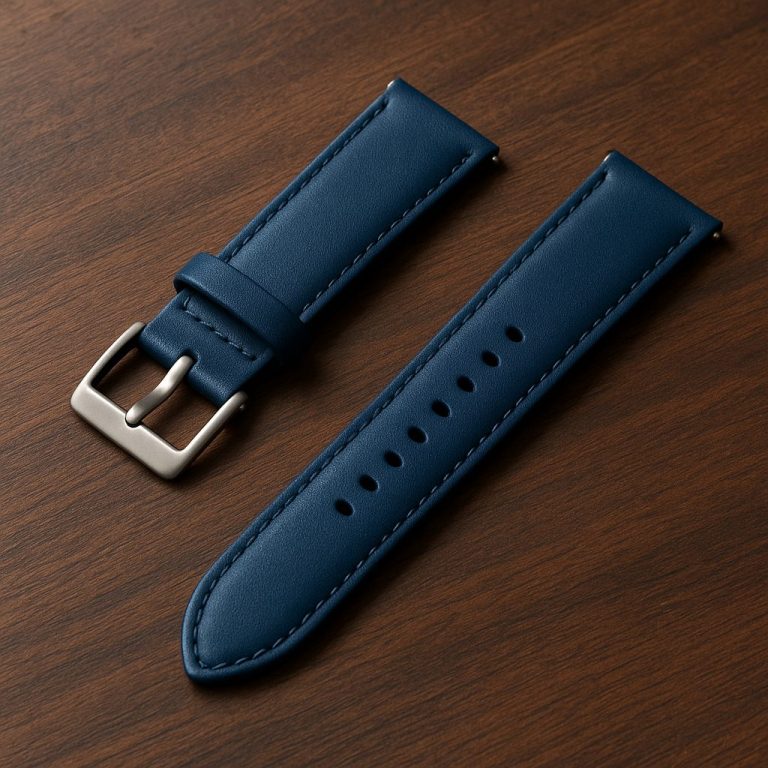
Why replacing a watch band can feel riskier than expected
When Swapping a Watch Band Doesn’t Feel Simple
After months of wearing a favorite watch, the thought of changing its band can bring unexpected hesitation. The current band might show signs of wear, clash with a new wardrobe, or simply feel outdated. Yet, when the moment arrives to select a replacement, uncertainty can overshadow excitement. Questions about fit, comfort, and the unique feel of the original band often creep in, making the decision seem riskier than anticipated.
Why Compatibility Isn’t Always Straightforward
Watch bands are not universally interchangeable. Even when two bands appear similar, subtle differences in width, attachment style, or curvature can prevent a perfect fit. Some watches use spring bars, while others rely on quick-release pins or proprietary systems. A mismatch can mean a loose, uneven look or, worse, a band that detaches unexpectedly. This uncertainty is heightened if the original band had a custom curvature or integrated design, as is common in certain models.
| Attachment Mechanism | Risk When Replacing |
|---|---|
| Spring Bars | May require precise sizing; risk of bar popping out if not secure |
| Quick-Release Pins | Easy to swap, but not always compatible with traditional lugs |
| Proprietary Systems | Replacement options are limited; high chance of incompatibility |
Because the band must match not only the width between the lugs but also the attachment mechanism and sometimes the watch case’s design, there’s always an element of uncertainty when ordering or selecting a new one.
Concerns About Losing Qualities Already Valued
The original watch band often develops a familiar feel over time. Whether it’s the broken-in suppleness of a leather strap, the reassuring heft of a stainless steel bracelet, or the breathable comfort of a nylon band, these qualities can be hard to replicate. Switching to a new band may mean losing the fit, flexibility, or tactile sensation that made the watch enjoyable to wear in the first place.
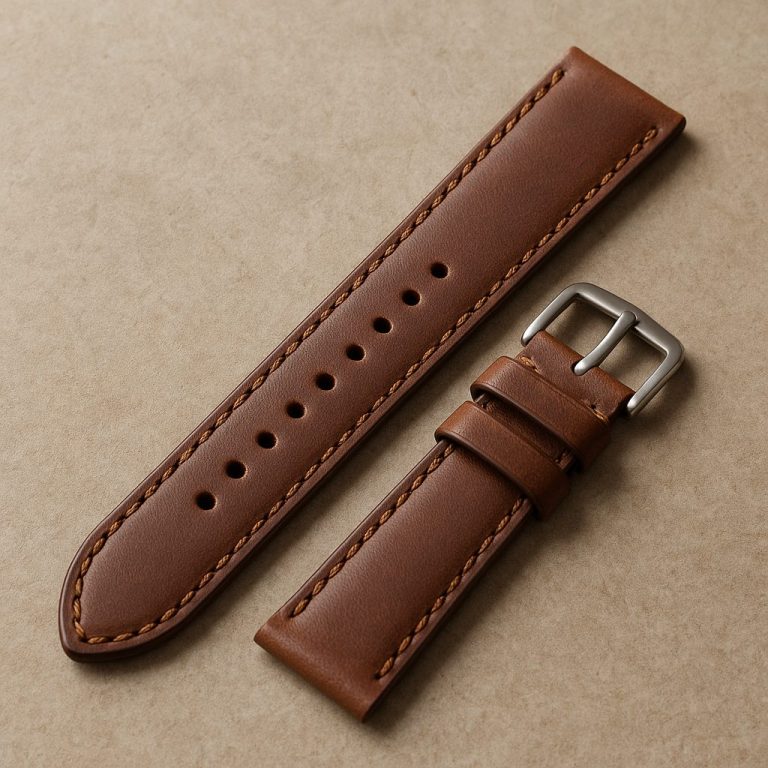
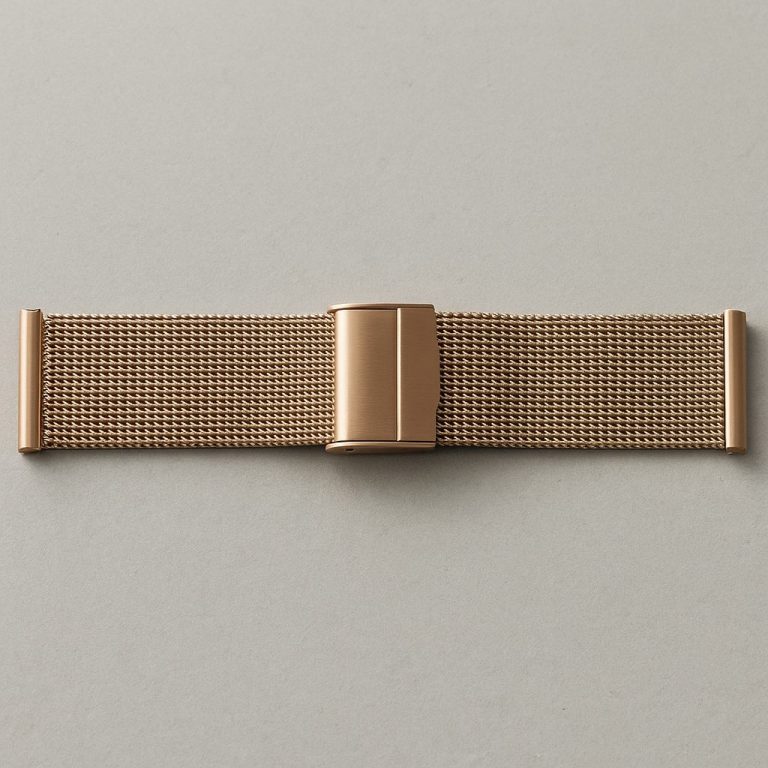
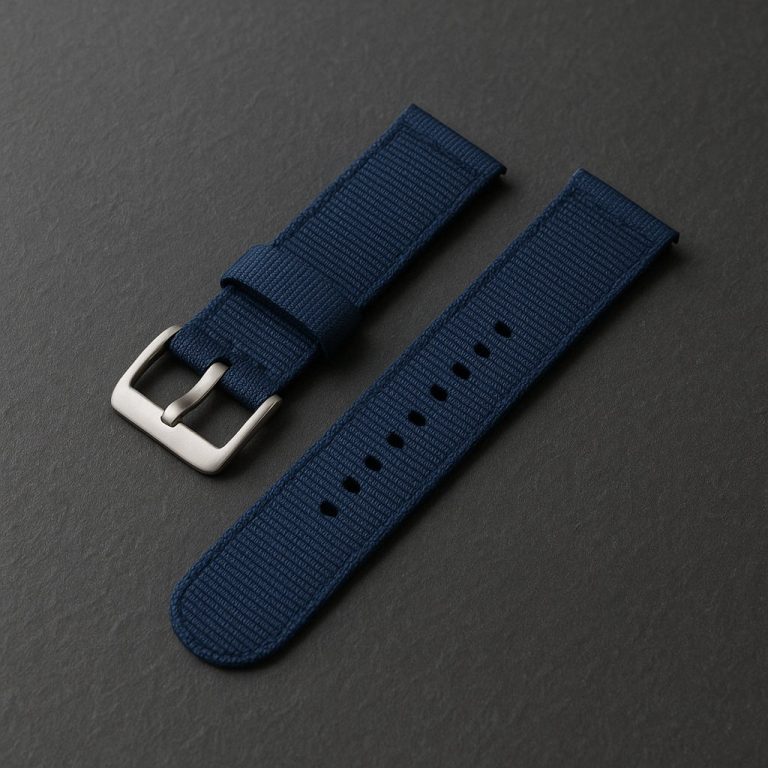
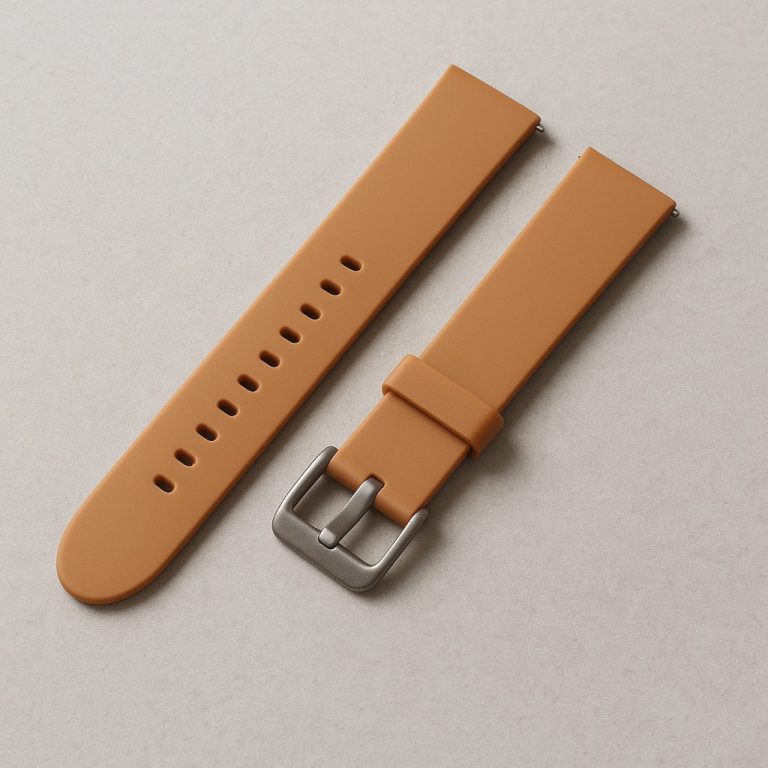
For example, fabric bands—most often made from nylon or nylon blends—can vary widely in weave density, thickness, and flexibility. One nylon strap may feel soft and pliable, while another is stiff and holds its shape. Leather bands can differ in finish, padding, or even scent. Silicone bands might feel sticky or attract dust differently depending on their formulation. Even metal bands, with stainless steel as the most common material due to its durability and corrosion resistance, can have noticeable differences in weight, finish, and the way they conform to the wrist.
Style and Identity: The Personal Risk
A watch is often more than a tool—it’s a personal statement. The band plays a significant role in that identity. Replacing it can feel like altering the watch’s character or sentimental value. A new color or material might clash with personal style or feel inauthentic compared to the original. There’s also the worry that the watch will lose its versatility or that the new look won’t suit everyday outfits.
Sometimes, the anxiety comes from the fear that the change can’t be reversed. If the original band is damaged during removal or can’t be reattached, the watch’s original look and feel are lost for good. This is especially true when the original band is no longer available.
Uncertainty About Comfort and Daily Practicality
Comfort is subjective and can change with the seasons or activity level. A band that looks appealing in photos might feel stiff, cause skin irritation, or trap sweat after hours of wear. For instance, switching from a breathable nylon weave to a silicone band may result in more perspiration under the strap, especially in warm weather. Leather bands, while elegant, can absorb moisture and develop odor over time if worn during physical activity. Metal bracelets, even with their durability, can pull hair or pinch skin if the links don’t match the wrist size perfectly.
There’s also the practical concern of adjusting to a new fastening system. Some bands use traditional buckles, others have deployant clasps, and some fabric straps rely on hook-and-loop closures. Adapting to a new system might require a period of adjustment, and not every wearer will find the new mechanism as secure or convenient as the previous one.
Satisfaction Isn’t Guaranteed
Visualizing a new band’s appearance and feel before purchase is difficult. Photos can misrepresent color or texture, and descriptions might not capture the nuances of flexibility or finish. Even with careful measurement and research, the replacement may not meet expectations. The risk of dissatisfaction—whether due to aesthetics, comfort, or compatibility—can make the process feel like a gamble.
One practical tip is to try on a similar band material and style on another watch before committing to a replacement. This can provide a better sense of how the new band will feel and look in daily use, reducing the risk of disappointment.
Accepting the Trade-Offs of Change
Replacing a watch band means accepting that some qualities of the original may not be replicated. The process involves balancing the desire for a fresh look or improved function against the potential loss of comfort, style, or sentimental value. Recognizing the sources of uncertainty—compatibility, comfort, and personal meaning—can help make the change with realistic expectations and less apprehension.