Why some watch bands become easier to scratch or scuff over time
Why Everyday Wear Changes How Watch Bands Resist Scratches and Scuffs
After several months of regular use, a watch band that once looked pristine may start to show fine scratches, visible scuffs, or areas where its texture has changed. This gradual shift is especially noticeable on bands that come into frequent contact with desks, clothing, or hard surfaces throughout the day. The ease with which a band develops these marks often depends on its material and how it interacts with the environment over time.
Material Properties and Their Role in Surface Wear
The likelihood that a watch band will become easier to scratch or scuff as it ages is influenced by several factors, including the material’s inherent hardness, flexibility, and how its surface changes through repeated use. Each common type of watch band material—metal, leather, fabric, and silicone—shows wear differently due to these properties.
Metal Bands: Surface Hardening and Micro-Scratches
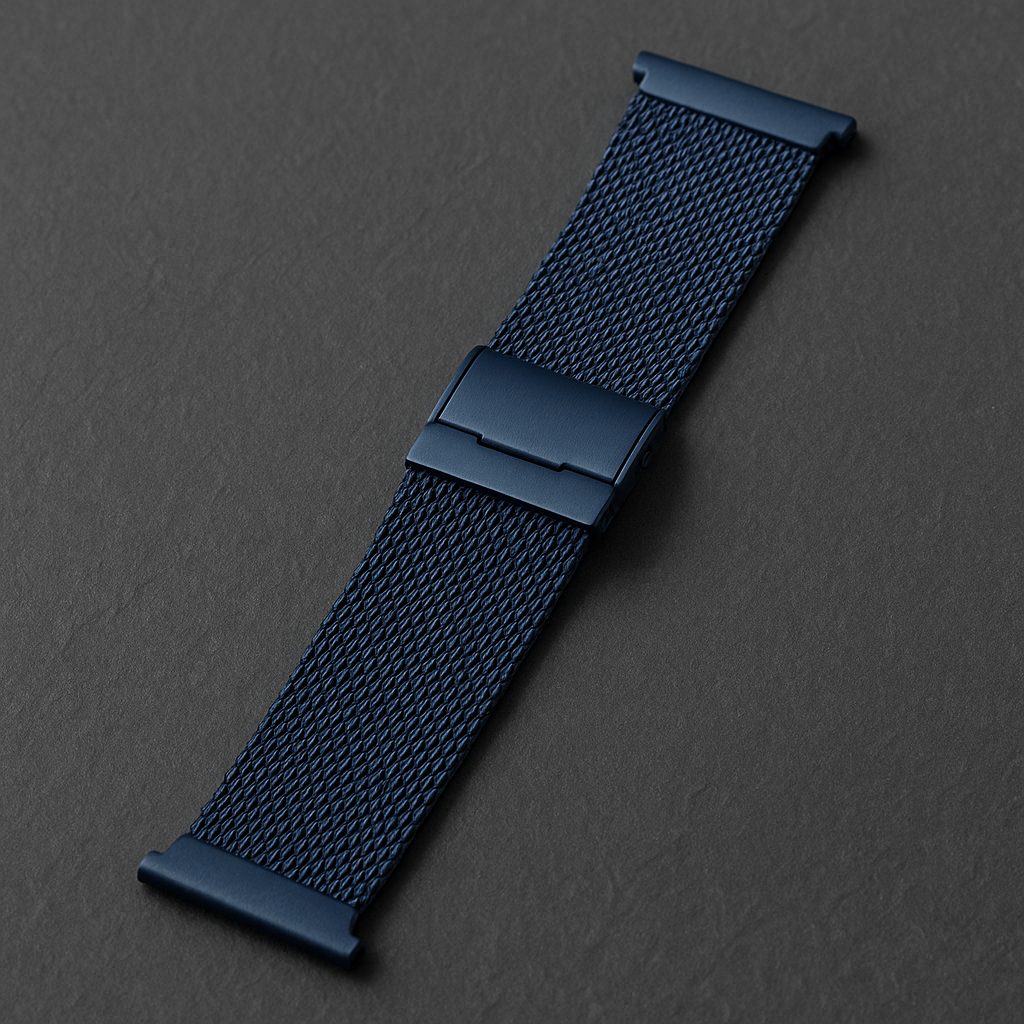
Most metal watch bands are made from stainless steel because of its durability and resistance to corrosion. However, even stainless steel is not immune to scratches. When a new metal band is worn, its polished or brushed finish can show fine marks from contact with hard objects such as door handles or table edges. Over time, repeated friction can create a network of shallow scratches, especially on high-polish surfaces.
As a band ages, the accumulation of micro-scratches can make it appear more susceptible to further marking. This effect is partly due to the gradual smoothing or flattening of the surface, which reduces the protective texture and makes new scratches more noticeable. In some cases, the edges of links or clasps may become more prone to scuffing as the finish wears down.
Leather Bands: Surface Softening and Patina Development
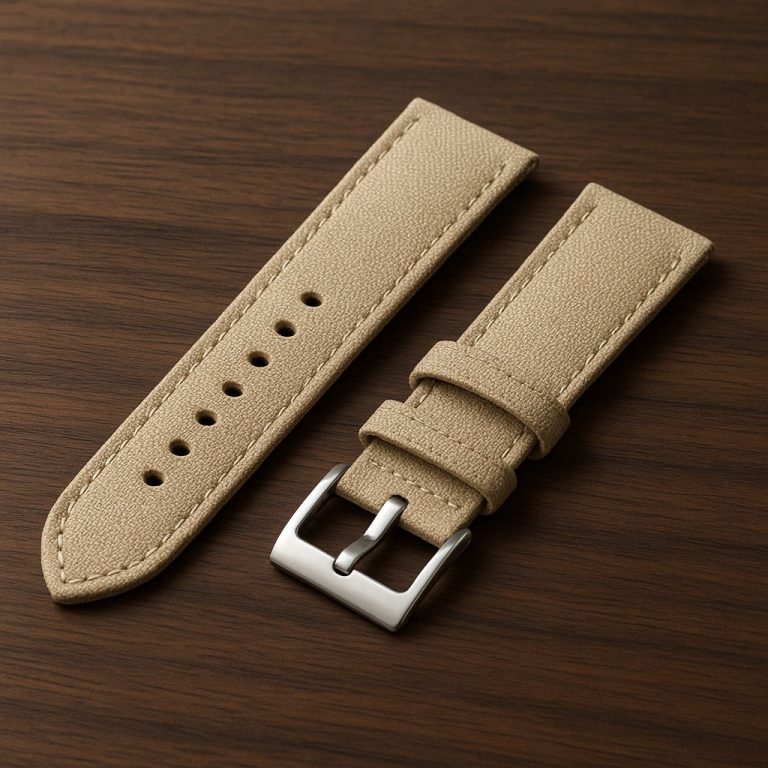
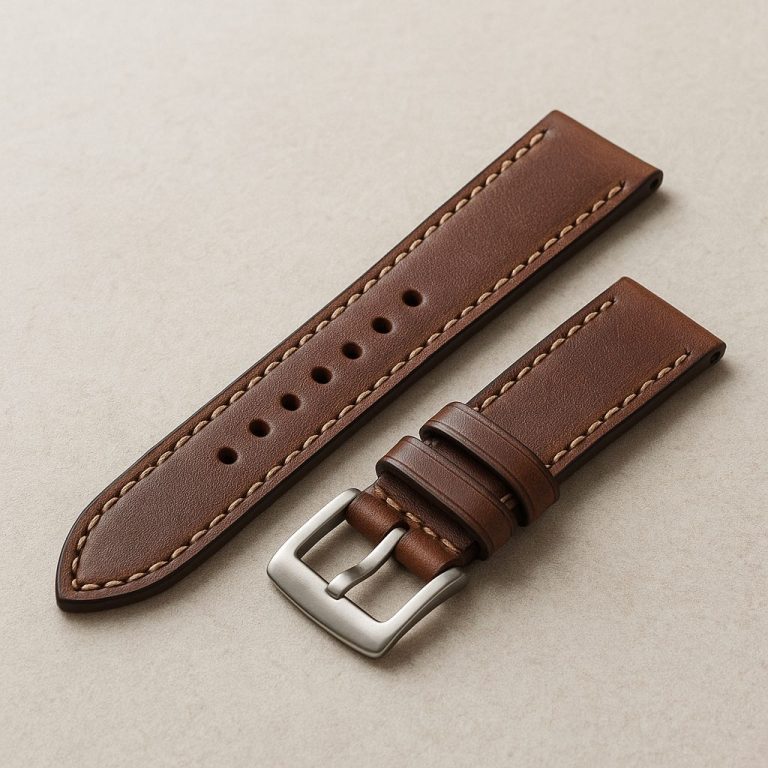
Leather bands change character as they are exposed to sweat, moisture, and bending. The surface of leather gradually softens and develops a patina—a natural sheen or darkening that occurs as oils and environmental factors interact with the material.
Initially, a new leather band may resist minor scratches, but as the surface absorbs moisture and flexes, it can become more vulnerable to marks. Surface fibers loosen, and areas that frequently bend or rub against the wrist or clothing may show scuffs or discoloration. While some users appreciate the unique character that develops with age, others may find that the band becomes easier to scratch or crease, especially if it dries out or is not conditioned regularly.
Fabric Bands: Weave Density and Friction Over Time
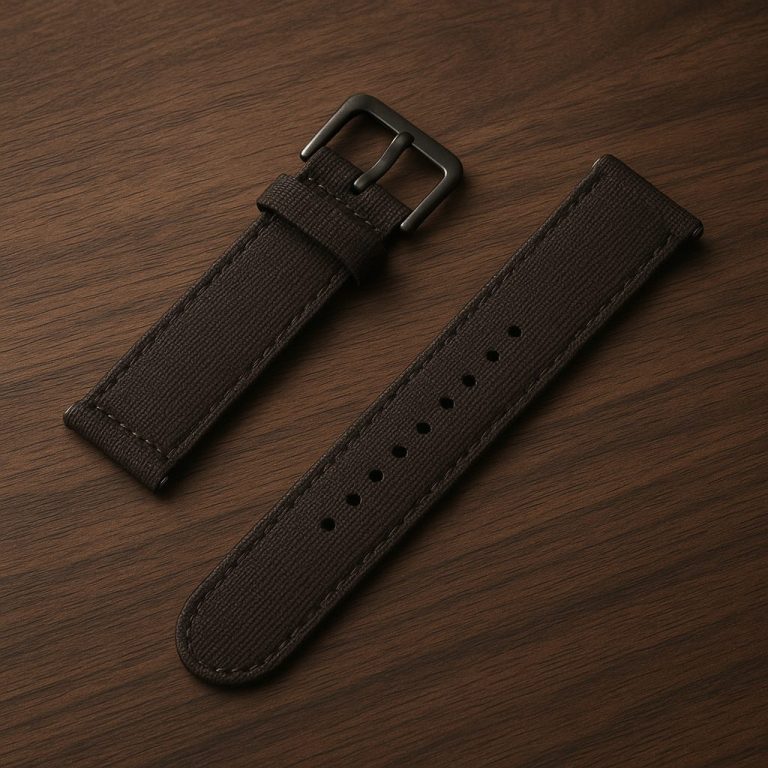
Most fabric watch bands are made from nylon or nylon blends, with variations in weave density, thickness, and texture. A tightly woven, thick band may initially resist abrasion, but over time, repeated friction from clothing or surfaces can cause localized wear. This often results in a fuzzy or frayed appearance, especially around hole openings or along edges.
Elasticity and the specific weave used also play a role. For example, a looser, stretchier band might develop snags or pulls more readily, while a dense weave may hold its appearance longer but eventually show glossy spots where fibers have been compressed. Exposure to sweat and moisture can accelerate these changes, causing sections of the band to become softer and more prone to scuffing.
Silicone Bands: Surface Finish and Micro-Abrasion
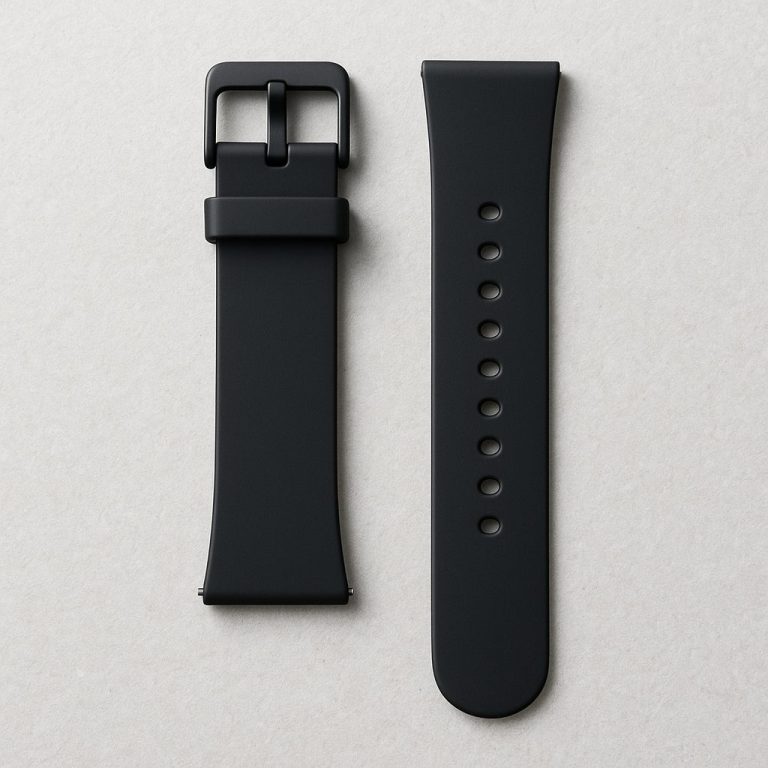
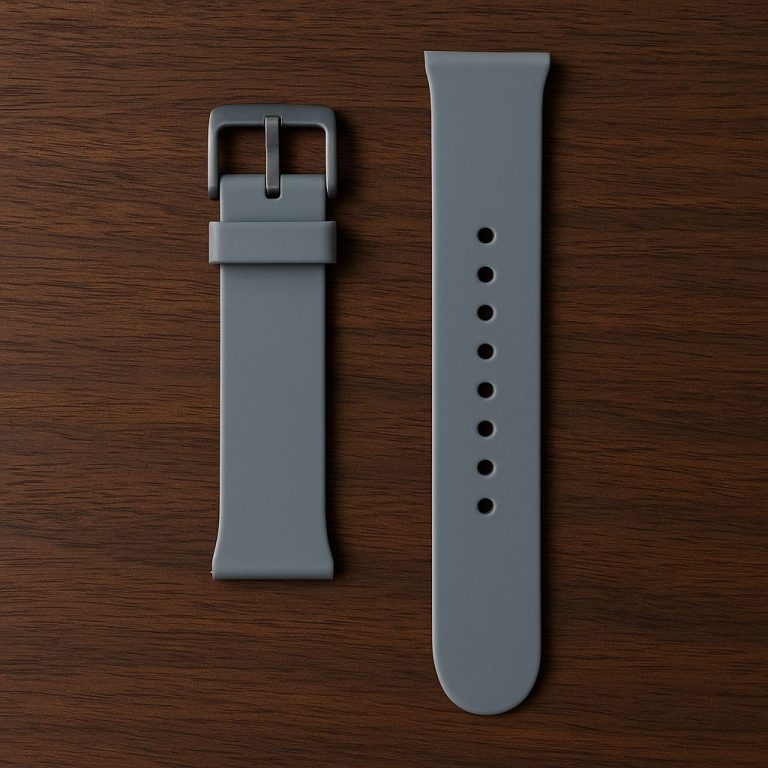
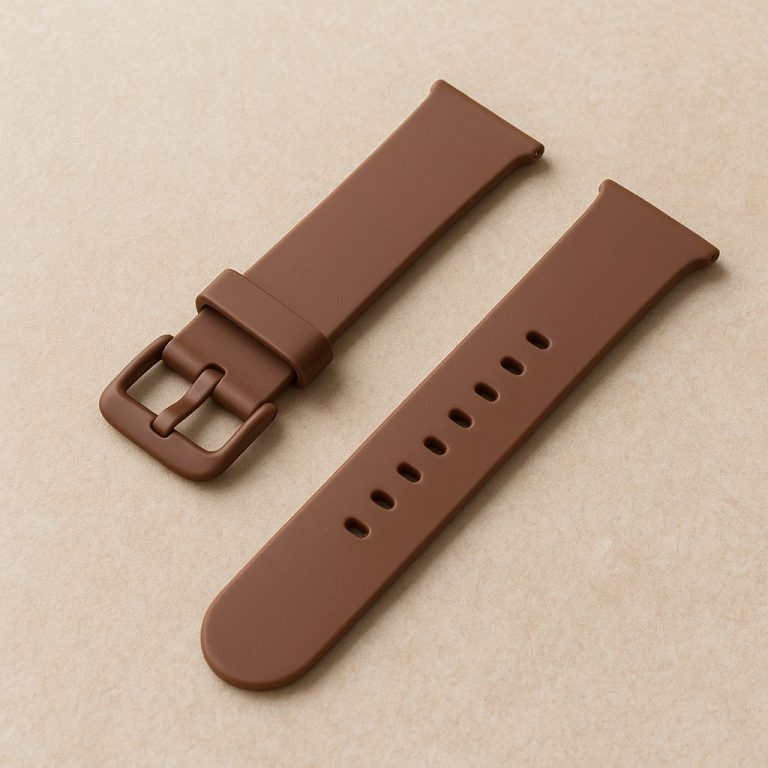
Silicone bands are valued for their flexibility and resistance to water, but they are not immune to surface changes. The finish on a new silicone band may feel smooth or slightly matte, but as it is exposed to everyday abrasion—such as contact with bags, desks, or rough fabrics—the surface can develop a shiny or tacky appearance.
Fine scratches may not always be visible, but the band can become more prone to attracting dust or showing dull areas where the surface texture has worn away. Over time, the loss of the original finish can make the silicone seem easier to scuff, especially in areas that flex most during wear. Some types of silicone are more resistant than others, but all will gradually change with use.
Factors That Make Bands More Vulnerable to Scratches and Scuffs Over Time
Several processes contribute to why a watch band can become easier to scratch or scuff as it ages:
- Surface Layer Degradation: Polished or coated surfaces can wear away, exposing softer material beneath that marks more easily.
- Micro-Abrasion: Repeated contact with hard or rough objects creates small scratches that weaken the overall finish.
- Flex Fatigue: Bending and stretching, especially in leather and fabric bands, break down surface fibers, making the material more susceptible to scuffs.
- Loss of Protective Treatments: Leather conditioners, surface coatings, or protective finishes may wear off, leaving the band less resistant to new scratches.
- Environmental Exposure: Sweat, moisture, UV light, and dirt all contribute to the gradual breakdown of surface integrity, particularly in natural materials.
Comparing Scratch and Scuff Resistance by Material Type
| Material | Initial Resistance | How Resistance Changes Over Time | Common Signs of Wear |
|---|---|---|---|
| Metal (Stainless Steel) | High (especially brushed finishes) | Decreases as surface finish wears and micro-scratches accumulate | Fine scratches, visible scuffs, loss of shine |
| Leather | Moderate (varies by finish and treatment) | Decreases as surface softens and patina develops | Creases, scuffs, darkening, scratches |
| Fabric (Nylon/nylon blend) | Moderate to high (depends on weave density and thickness) | Decreases as fibers fray and surface compresses | Fraying, glossy spots, fuzziness, snags |
| Silicone | Moderate (smooth or matte finish resists minor marks) | Decreases as finish wears and surface texture changes | Dull or shiny areas, more visible scuffs, tacky spots |
Practical Observations and Tips for Everyday Use
How quickly a watch band starts to show scratches or scuffs depends not only on the material but also on daily habits. For example, wearing a watch loosely so it shifts on the wrist can increase friction with clothing, making scuffs more likely. Similarly, setting a watch face-down on rough surfaces can accelerate marking on metal or silicone bands. Regular cleaning and, in the case of leather, occasional conditioning can help slow the process of surface degradation, but no band material is completely immune to the effects of long-term use.
Some users choose to rotate between different bands to reduce wear on any single one, particularly if they want to preserve the appearance of a favorite strap for special occasions. Understanding how different materials react to daily stresses can help in making choices that balance appearance and durability according to lifestyle needs.
What to Expect as Your Watch Band Ages
As a watch band is worn over time, its resistance to scratches and scuffs typically decreases due to changes in surface structure, loss of protective finishes, and the natural effects of friction and flex. Recognizing the specific ways each material ages can help set realistic expectations and inform care routines, ultimately extending the usable life and appearance of the band.