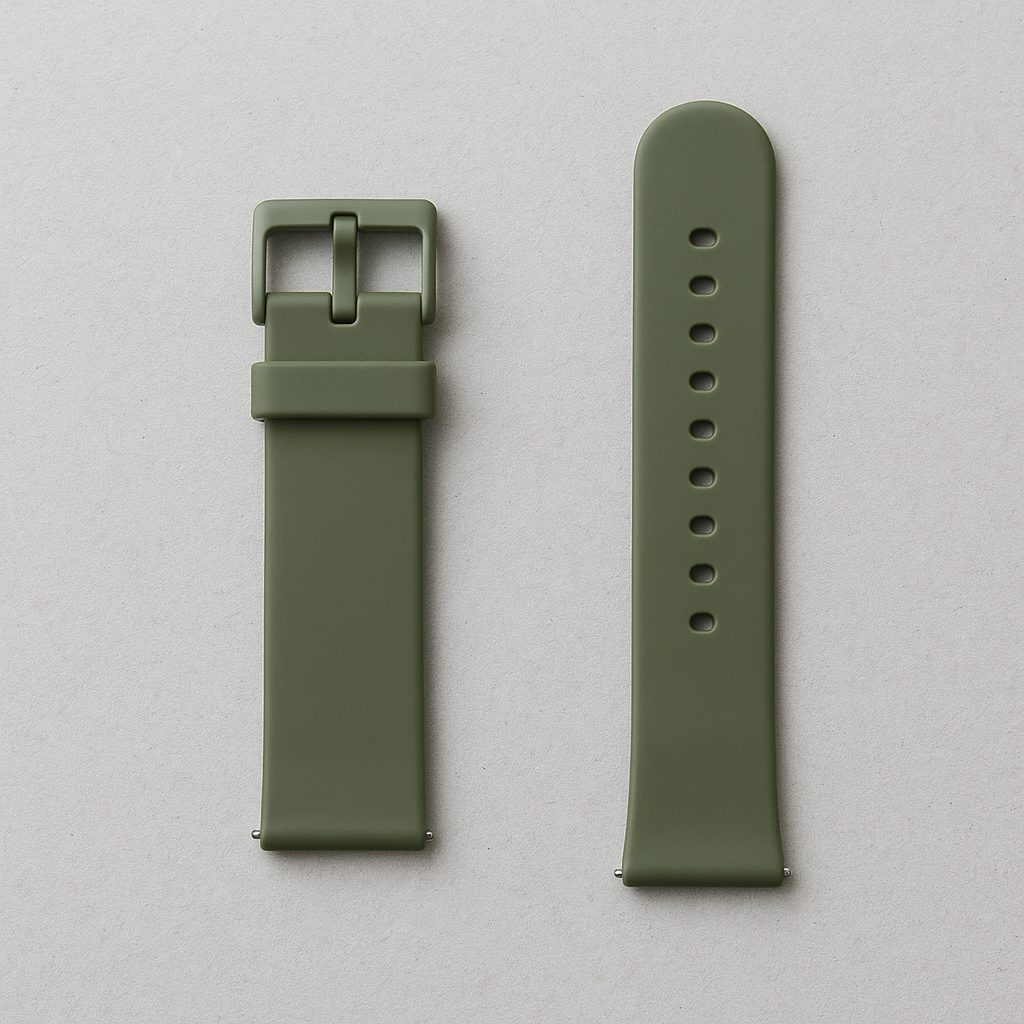
Why some watch bands develop dark spots or discoloration faster
What Causes Watch Bands to Develop Dark Spots or Discoloration?
After wearing a watch for a few weeks, some people notice dark patches or uneven discoloration forming on the band—sometimes quickly, and sometimes only in certain areas that touch the skin more closely. This visible change can make even a newer watch look worn or dirty, and may leave wearers wondering why it happens more to some bands than others.
Factors That Influence Discoloration Rates
Several factors contribute to how quickly dark spots or discoloration develop on watch bands. These include the material of the band, the wearer’s lifestyle and environment, and the way the band is maintained.
Material Differences and Their Effects
The type of material used for a watch band plays a significant role in how it responds to sweat, moisture, oils, and exposure to the elements. Here is a brief overview of the most common materials:
| Band Material | Common Discoloration Causes | How Fast It Happens |
|---|---|---|
| Leather | Sweat, oils, moisture absorption | Usually fast |
| Fabric (mostly nylon blends) | Absorption of sweat, dirt, oils | Medium to fast |
| Silicone | Oils, colored liquids, pigment transfer | Varies; often medium |
| Metal (mainly stainless steel) | Oxidation, trapped dirt, corrosion | Usually slow |
Leather Bands
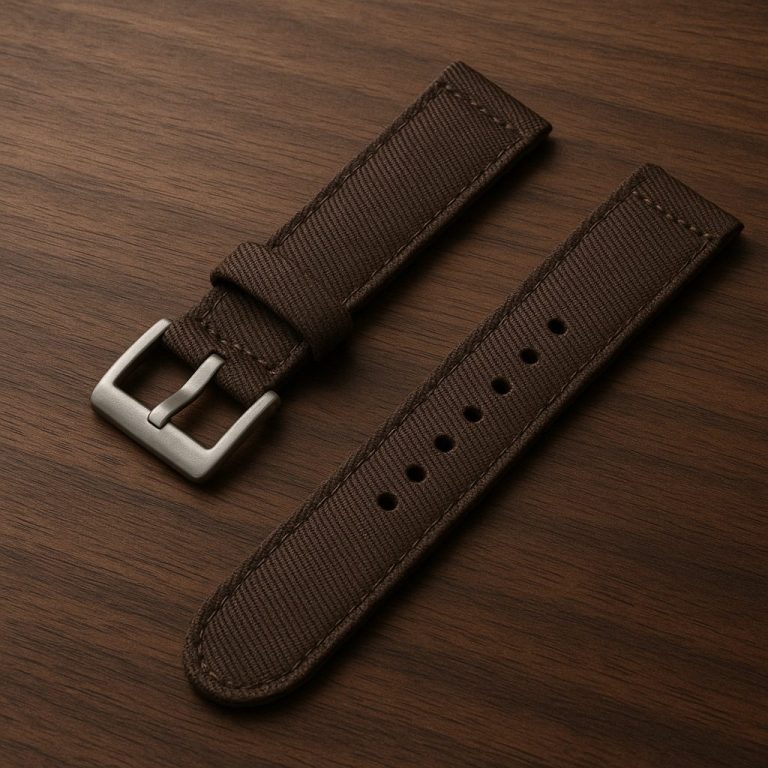
Leather is highly absorbent, which means it soaks up sweat, skin oils, and moisture from the environment. Over time, these substances collect in the pores of the leather, leading to dark spots—especially on the underside where the band contacts the skin. This process is accelerated if the watch is worn during exercise or in hot weather. Even with regular cleaning, leather bands can develop a patina or uneven staining simply from natural exposure.
A practical example: Wearing a leather-banded watch while walking outside on a humid day can lead to quick darkening on areas that touch the wrist most closely, even if the band is wiped down afterward.
Fabric Bands
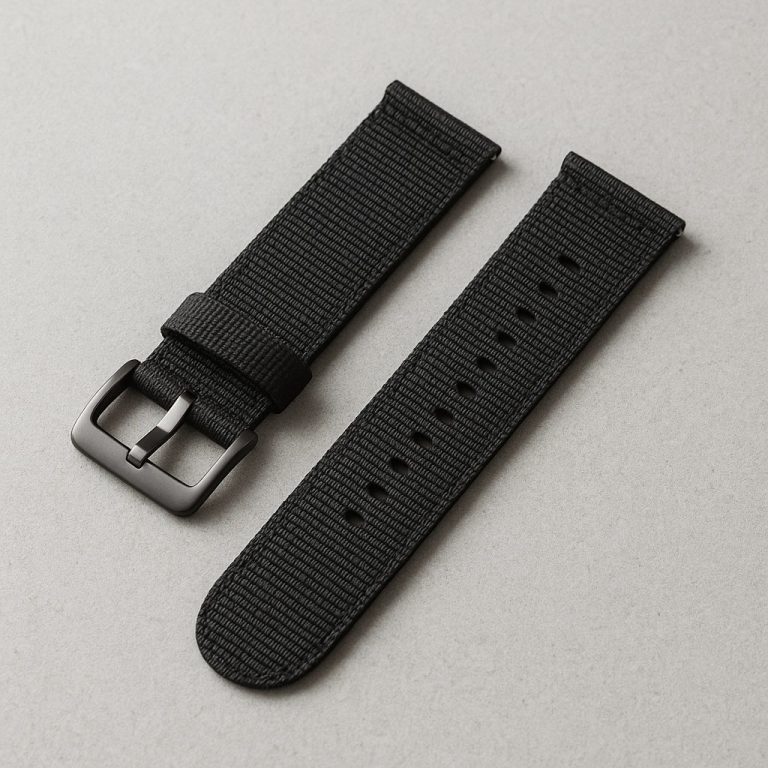
Most fabric watch bands today are made from nylon or a nylon blend. The way these bands are woven—whether tightly or loosely—affects how much moisture and dirt they can absorb. Thin, loosely woven fabrics tend to soak up sweat and grime more quickly, while denser, thicker weaves may resist stains longer but can still trap oils and debris in the fibers over time.
Elasticity and texture also play a role. Stretchy or textured bands can collect particles in their crevices, leading to patchy discoloration. For example, a densely woven nylon strap might show dark patches at fold points or where it rubs against the skin, especially if worn during physical activity or in hot weather.
Silicone Bands
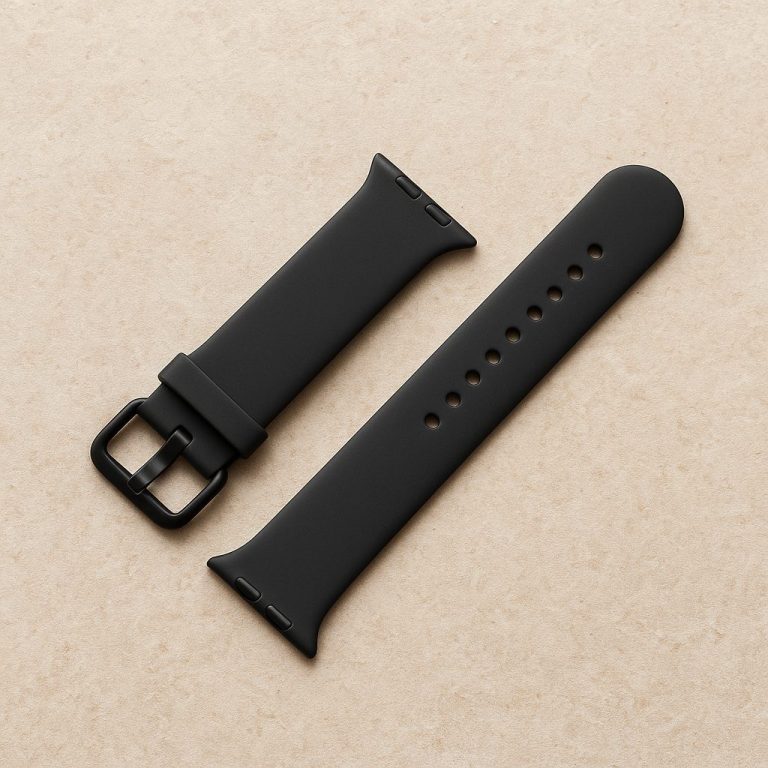
Silicone bands are less porous than leather or fabric, but they are not immune to discoloration. They can pick up stains from skin oils, lotions, colored liquids, or even transfer from dark clothing. Prolonged exposure to sweat can also create a sticky film on the surface, attracting dust and darkening certain areas. While silicone does not absorb moisture as readily, it can still show surface stains—especially on lighter-colored bands.
For instance, a light-colored silicone band worn during workouts may develop grayish spots where sweat lingers or where the band is frequently handled.
Metal Bands
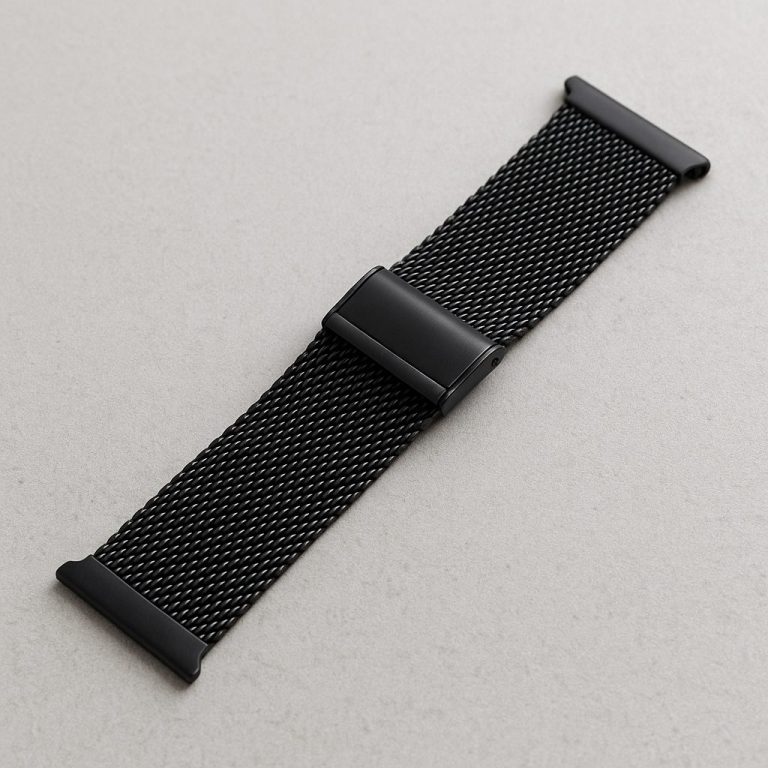
Most metal watch bands are made from stainless steel, valued for its resistance to corrosion and tarnishing. However, metal bracelets can still show dark marks if dirt, sweat, or skin oils become trapped between links. Over time, this build-up can appear as discoloration, particularly on the inside of the band. In rare cases, exposure to harsh chemicals or saltwater can cause minor oxidation or darkening, but this is less common and usually progresses slowly.
Regular cleaning can help prevent this, but tight link designs may still collect grime in hard-to-reach spots.
Other Influences: Skin Chemistry, Environment, and Habits
Personal habits and environmental factors can speed up the process of discoloration:
- Skin chemistry: Some people have more acidic sweat, which can react with materials, especially metals and leather, leading to faster darkening.
- Exposure to water: Frequent contact with water—either from handwashing, rain, or swimming—can accelerate staining on leather or fabric bands.
- Physical activity: More sweat and friction increase the likelihood of dark spots developing, particularly in areas where the band is tight or constantly moving.
- Contact with lotions, perfumes, or sunscreen: These substances can stain silicone and fabric bands, and may cause leather to darken unevenly.
Maintenance Practices That Affect Discoloration
How a watch band is cleaned and dried makes a difference in how quickly discoloration appears. Infrequent cleaning allows sweat, oils, and dirt to build up, hastening the development of dark spots. On the other hand, overly aggressive or inappropriate cleaning—such as soaking leather or using harsh chemicals on fabric—can worsen the problem by damaging the material or setting stains deeper.
Allowing bands to air dry thoroughly, especially after exposure to water, can help prevent moisture from lingering and causing discoloration, particularly for leather and fabric types.
Summary Table: Why Some Bands Discolor Faster
| Material | Main Risk Factors | Discoloration Pattern |
|---|---|---|
| Leather | Sweat, moisture, skin oils | Patches under wrist, edges |
| Fabric (nylon blend) | Sweat, dirt, loose weave | Creases, high-contact spots |
| Silicone | Oils, pigments, lotions | Surface spots, color transfer |
| Metal (stainless steel) | Dirt, sweat trapped in links | Between links, underside |
Recognizing and Managing Discoloration
Dark spots or uneven coloring on watch bands are usually the result of normal wear and exposure to daily life. Leather and loosely woven fabric bands are most prone to rapid and noticeable changes, while silicone and metal generally resist staining longer but can still show marks in certain conditions. Understanding the reasons behind these changes can help in choosing the right band for your lifestyle and in developing cleaning habits that slow down discoloration. Regular, gentle cleaning and mindful use—such as removing the watch during intense activity or exposure to water—can help keep bands looking better for longer.