Why some watch bands dry faster after washing than others
Why Watch Bands Don’t All Dry at the Same Rate
After washing a watch band, you might notice that some bands are ready to wear again within minutes, while others remain damp for hours. This difference is especially noticeable when cleaning multiple watches with bands made from different materials, such as a silicone strap drying quickly on the countertop while a leather band stays wet long after.
The Role of Material in Drying Time
The primary factor affecting how fast a watch band dries is the material it’s made from. Each material interacts with water differently, which influences how quickly moisture is released into the air.
Metal Bands
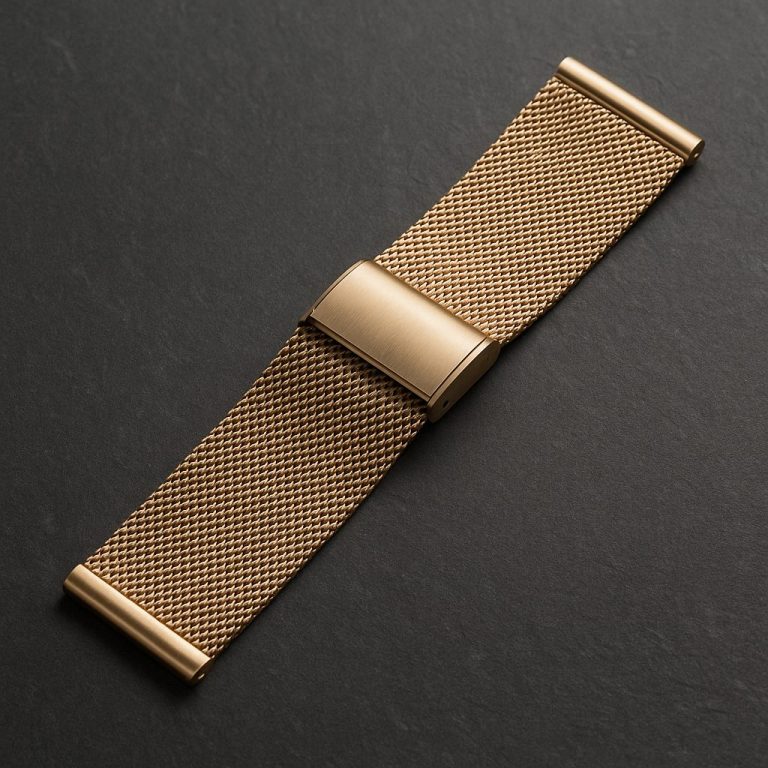
Most metal bands are made from stainless steel because it resists corrosion and holds up well to daily wear. After washing, metal bands typically dry quickly since water doesn’t soak into the metal. Instead, droplets remain on the surface and can be wiped away. However, water can linger in the small gaps between links or under the clasp, which may delay complete drying unless the band is carefully dried with a cloth.
Leather Bands
Leather is absorbent and porous, meaning it soaks up water and holds onto it. After washing, the moisture penetrates into the leather, which can take many hours to evaporate. Leather bands can also become stiff or discolored if dried too quickly or exposed to heat. For this reason, it’s best to let leather bands air dry naturally, away from direct sunlight or radiators. If a leather band gets wet regularly, it can start to break down faster than other materials.
Fabric Bands
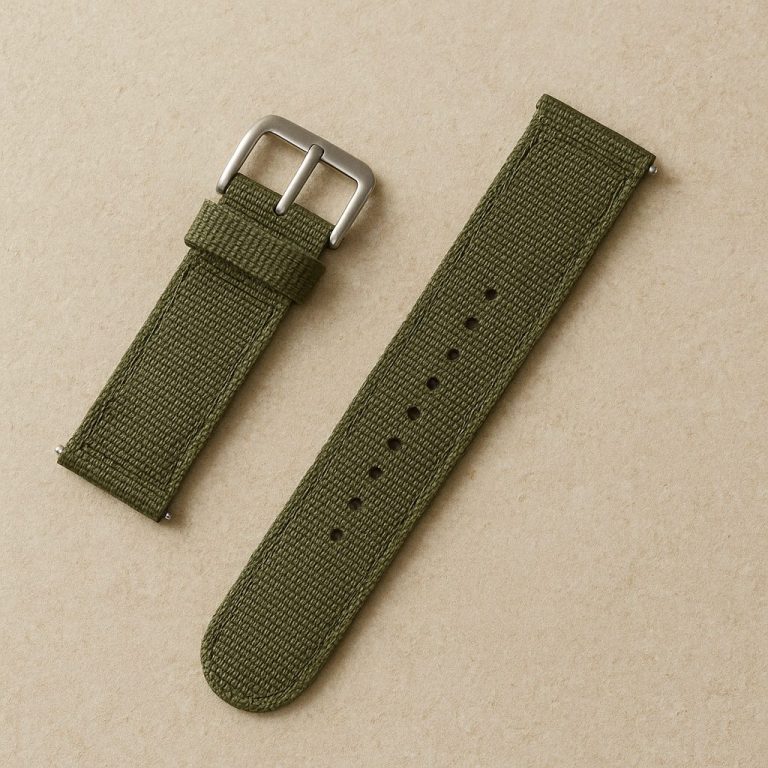
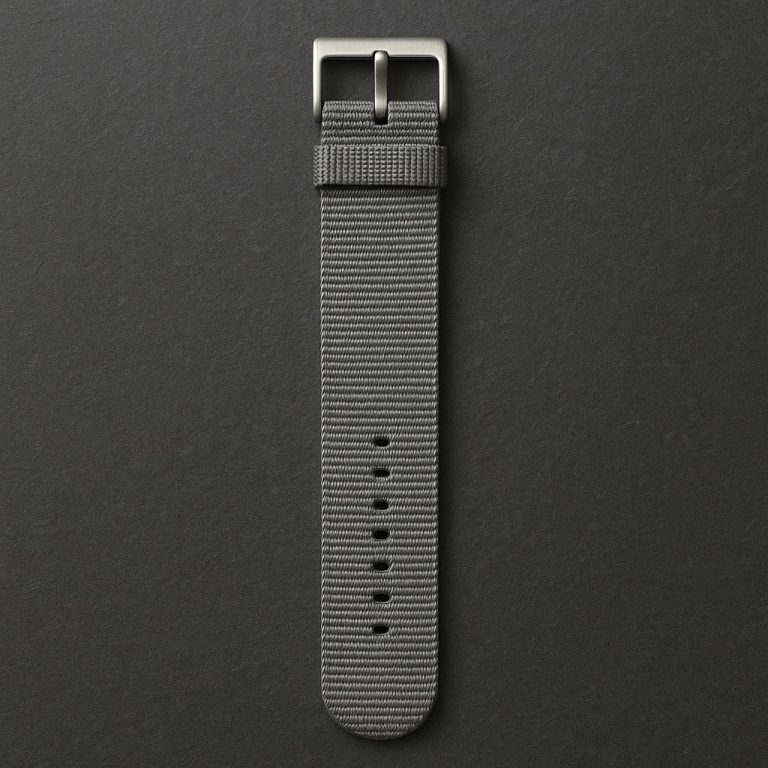
Fabric watch bands are usually made from nylon or blends containing nylon fibers. The speed at which they dry depends on several factors:
- Weave density: Bands with a tight weave or thicker construction hold more water, slowing drying time. Looser, more open weaves allow air to circulate and water to evaporate faster.
- Elasticity and texture: Some bands have a stretchy or textured surface, which can trap water in the fibers.
For example, a thin, loosely woven nylon strap might dry within an hour, while a dense, padded band can take much longer. Gently patting the band with a towel and laying it flat in a well-ventilated spot speeds up the process.
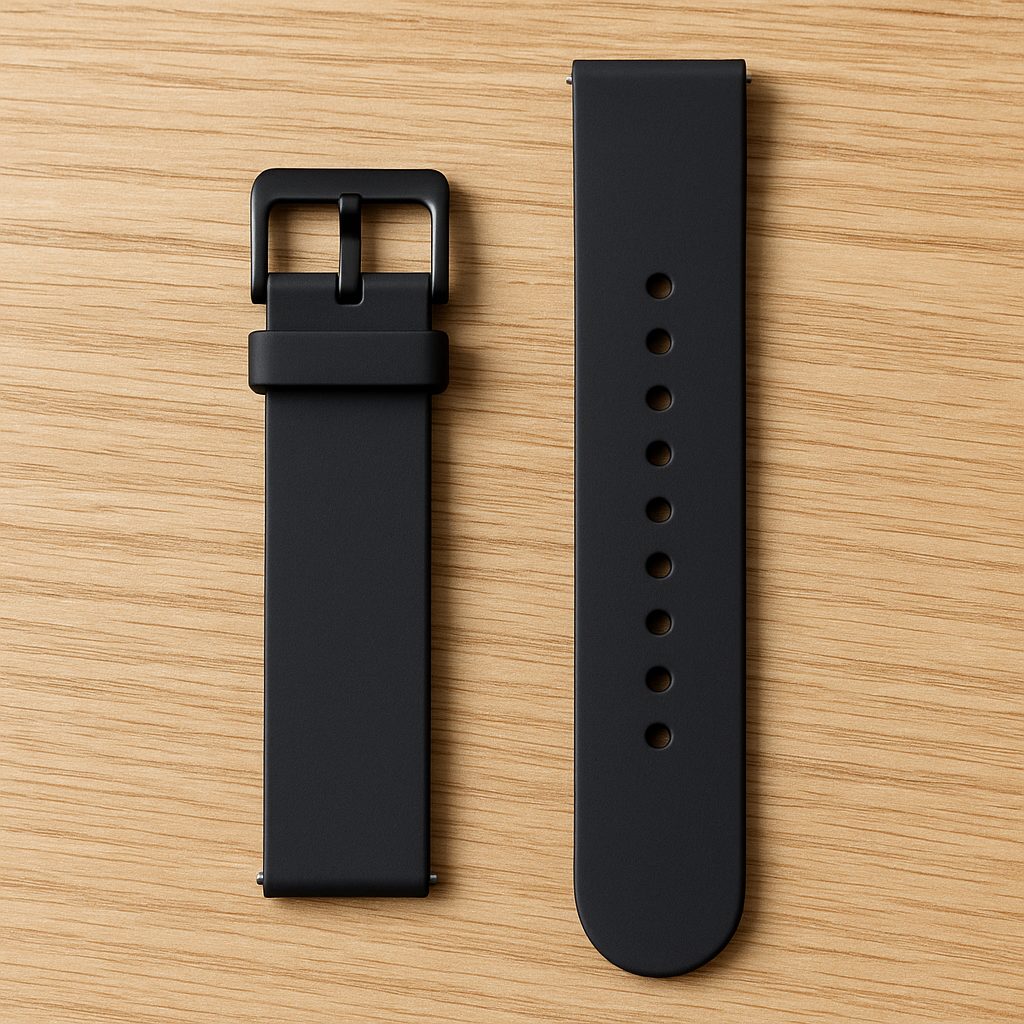
Silicone Bands
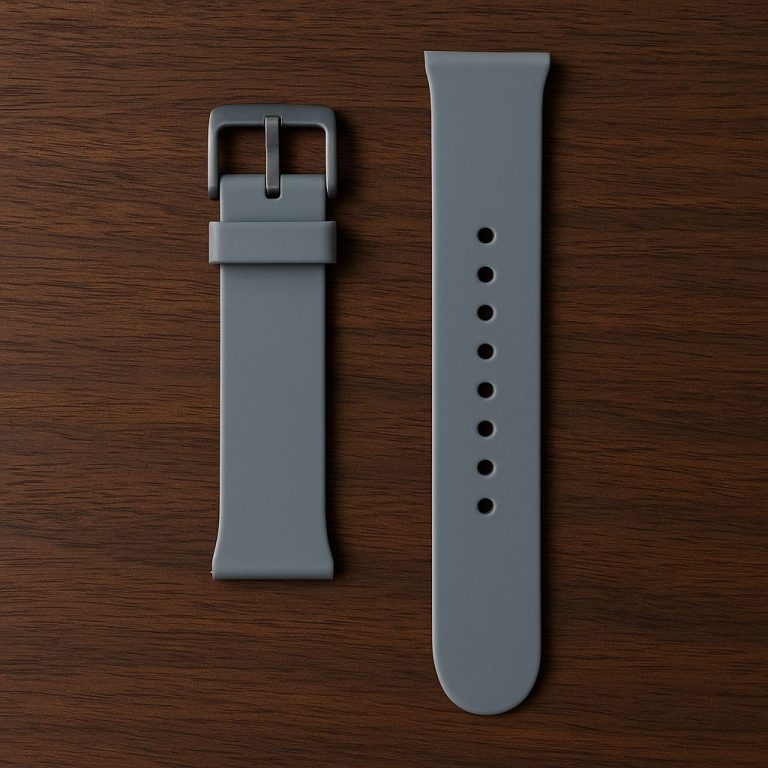
Silicone bands repel water rather than absorb it. After washing, water usually beads on the surface and can be wiped away almost immediately. Because silicone doesn’t soak up moisture, these bands dry rapidly. This makes them a practical choice for swimming, exercise, or activities where the band is likely to get wet often.
Comparing Drying Times: Quick Reference Table
| Material | Water Absorption | Typical Drying Time |
|---|---|---|
| Stainless Steel (Metal) | None (surface only) | Very Fast (minutes with wiping, longer in crevices) |
| Leather | High (absorbs water) | Slow (several hours to overnight) |
| Fabric (Nylon/Nylon Blend) | Moderate (varies by weave/thickness) | Moderate to Fast (1–3 hours, varies) |
| Silicone | None (repels water) | Very Fast (almost immediate) |
Other Factors That Affect Drying Speed
Material is the main reason for the difference, but several other details can also play a part:
- Band Thickness: Thicker bands, regardless of material, tend to hold onto water longer.
- Band Construction: Perforations, grooves, or textured patterns can trap moisture and slow drying. Fabric bands with extra padding or lining dry more slowly than flat ones.
- Ambient Conditions: Drying is faster in warm, dry, and well-ventilated areas. High humidity slows evaporation for all materials.
- Cleaning Method: Bands rinsed under running water with minimal soaking will dry more quickly than those left submerged or washed with excess water.
For example, after washing a nylon strap, shaking off excess water and laying it flat in a breezy area will help it dry faster than leaving it in a damp bathroom.
How to Help Your Watch Band Dry Faster
To speed up drying, start by gently blotting the band with a soft towel. For metal and silicone bands, wiping the surface is usually enough. With fabric bands, pressing between two towels can remove much of the trapped moisture before air drying. Leather should be dried slowly and never with direct heat, as this can cause cracking or warping.
If the band has small crevices or textured details, use a cotton swab or a soft brush to remove water from hard-to-reach spots. Placing the band near a fan or in a well-ventilated area helps speed evaporation, especially for thicker or more absorbent materials.
Practical Outcomes for Everyday Use
Understanding how different watch band materials interact with water makes it easier to choose the right band for your activities and care routine. If quick drying is important—such as after workouts, swimming, or frequent washing—silicone and metal bands offer the fastest turnaround. For those who prefer fabric or leather, being aware of the drying needs helps prevent discomfort or unwanted odors. A little extra care during cleaning and drying preserves the look and feel of your watch band over time.