Why some watch bands develop marks around frequently used holes
Visible Wear Around Watch Band Holes: What Causes It?
After several months of wearing a watch with a leather, silicone, or fabric strap, distinct marks or stretched areas often appear around the holes used to fasten the buckle. These marks can look like discoloration, deformation, fraying, or even tears in the material. The effect is most noticeable at the specific hole used daily, while other holes remain relatively unmarked. This pattern raises questions about why these marks develop and whether they can be prevented or minimized.
Why Marks Form Around Frequently Used Holes
The primary reason for visible wear around certain watch band holes is repeated mechanical stress. Every time the buckle’s tang or pin is inserted into a particular hole, it applies concentrated pressure to the edges of that hole. Over time, this stress causes the material to deform, stretch, or break down at that spot. The type and severity of marks depend largely on the watch band material, the force used during fastening, and environmental factors like moisture or sweat.
Material-Specific Reactions to Repeated Use
Different watch band materials respond in distinct ways to the daily stress placed on the adjustment holes. The table below summarizes common reactions for major watch band types:
| Material | Common Mark Types | Why Marks Form |
|---|---|---|
| Leather | Discoloration, stretching, cracks | Leather fibers compress and break down with repeated bending and pressure from the buckle. |
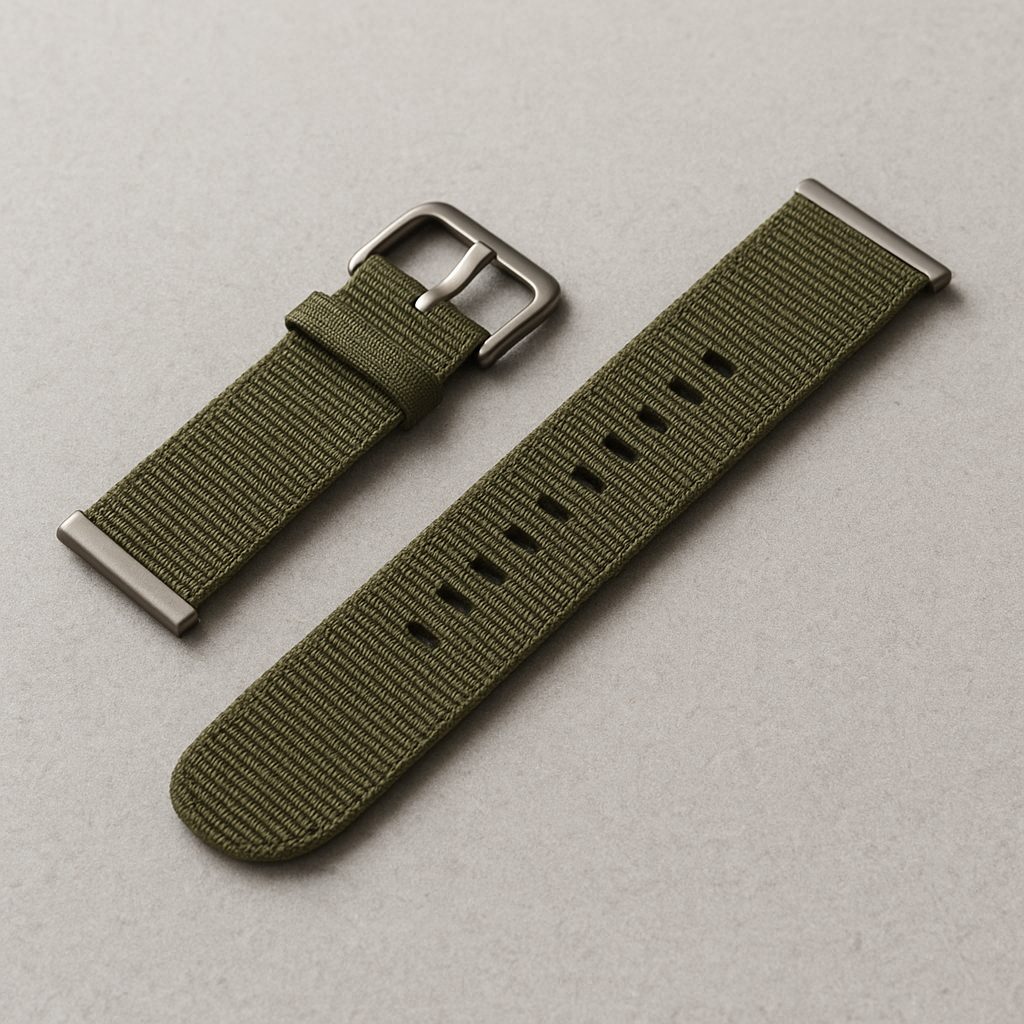
| Fabric (nylon/nylon blends) | Fraying, elongation, fuzziness | Woven fibers separate or wear down from tang friction and tension. |
| Silicone | Permanent stretching, tearing, surface marks | Flexible material distorts around holes and can tear if overstretched. |
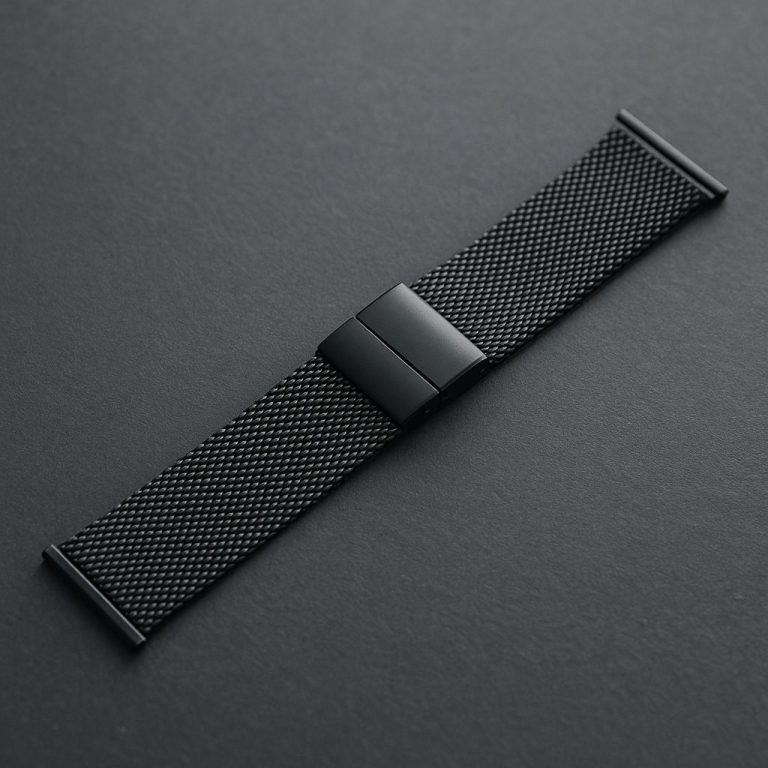
| Metal | Rarely marked (not hole-based) | Metal bracelets use links or clasps, not holes, so this issue is uncommon. |
Leather Watch Bands: How and Why Marks Appear
Leather is a popular choice for watch bands due to its classic look and comfortable feel. However, natural and synthetic leathers are both susceptible to visible wear around adjustment holes. As the buckle pin is repeatedly inserted and the band is flexed during fastening, the leather fibers compress and stretch. Over time, this leads to several changes:
- The hole elongates, making it less secure and altering the band’s fit.
- The area around the hole may darken or lighten, depending on skin oils and moisture exposure.
- Cracks or splits can develop if the leather dries out or is bent sharply.
Frequent use of the same hole accelerates these effects. Rotating occasionally to an adjacent hole can help distribute wear, though fit may be affected.
Fabric Bands: Weave and Wear Patterns
Fabric watch bands, most commonly made from nylon or nylon-blend materials, come in various weave densities, thicknesses, and textures. Some have a tight, smooth weave, while others are more open, textured, or slightly stretchy. The repeated insertion of a buckle tang into the same hole causes the woven fibers to fray or loosen. Over time, this can make the hole appear fuzzy or elongated. Higher-density weaves resist fraying better, but even these eventually show signs of wear at the most-used hole. Moisture, sweat, and abrasion from wrist movement can speed up the process, especially in lighter or thinner fabrics.
Silicone Bands: Stretch, Compression, and Potential Tearing
Silicone bands are valued for their flexibility, water resistance, and comfort against the skin. However, the same flexibility that makes silicone appealing also means adjustment holes are vulnerable to permanent stretching. When the buckle pin is forced through the same hole day after day, the silicone can deform, leading to an enlarged or misshapen hole. In some cases, especially if the band is pulled tightly or the silicone compound is softer, small tears can form at the hole’s edge. These marks are often visible as shiny or stretched patches around the chosen hole. If a silicone band starts to tear, it can eventually fail at that point, so early signs of stretching should be monitored.
Why Metal Bracelets Don’t Develop These Marks
Most metal watch bands, especially those made from stainless steel due to its durability and corrosion resistance, use a different adjustment method. Instead of holes and a tang, metal bracelets typically have removable links or micro-adjustment clasps. This design eliminates concentrated stress points, so marks from buckle pins do not develop. While metal bracelets can scratch or dent over time, the specific issue of hole wear is not present with metal construction.
Environmental Factors and User Habits
Beyond material choice, environmental conditions and personal habits play a role in how quickly marks develop around watch band holes. Moisture from sweat or water can soften leather and fabric, making them more prone to stretching or fraying. Exposure to sunlight can dry out leather, leading to cracks near stressed holes. Pulling the strap too tightly or yanking the band during fastening increases mechanical stress and speeds up wear. A practical approach is to fasten the band gently and avoid overtightening, which can help extend the lifespan of the adjustment holes.
Common Signs and What They Mean
Recognizing typical wear patterns can help diagnose and address issues before they affect the functionality or appearance of the watch band. Some common signs include:
- Elongated or loose holes: Material has stretched from repeated use, which can make the fit less secure.
- Discoloration or darkening: Sweat, skin oils, and friction have changed the band’s original color around the hole.
- Frayed edges (fabric): Woven fibers are breaking down from tang abrasion or repeated stretching.
- Cracks or splits (leather): The band has dried out or experienced too much bending stress.
- Tears (silicone): The material has been overstressed or is beginning to fail at the hole’s edge.
Reducing Visible Marks: Simple Habits and Maintenance
While it’s nearly impossible to avoid all signs of wear if a watch is used daily, a few habits can help minimize visible marks:
- Alternate between adjacent holes occasionally to spread out stress, if your wrist size allows.
- Fasten the band gently and avoid unnecessary force.
- Keep leather bands dry and condition them periodically to maintain flexibility.
- Inspect fabric bands regularly for fraying, and trim loose fibers if needed.
- For silicone bands, check for early signs of stretching or tearing and avoid pulling the strap too tightly.
These adjustments can delay the appearance of marks and help the band last longer. For those using fabric bands with looser weaves, extra care during fastening can reduce fraying. With silicone, even small tears should be taken seriously, as they can grow quickly under tension.
What to Expect Over Time
Visible marks and wear patterns around frequently used holes are a normal result of practical, everyday use. They are most pronounced in leather, fabric, and silicone bands due to the way these materials respond to focused, repeated stress. While marks can be minimized through careful use and occasional maintenance, some level of change is inevitable for any band that relies on holes and a tang mechanism. Recognizing this pattern can help set realistic expectations and guide simple care routines to extend the life of a favorite watch strap.