Why some watch bands feel different after getting wet repeatedly
Why Watch Bands Change After Repeated Exposure to Water
After wearing a watch through daily hand washing, swimming, or outdoor activities, the band may start to feel stiffer, softer, stickier, or even develop a slightly different texture. Some notice their leather strap becoming brittle and wrinkled, while a nylon strap feels rougher or looser. Even silicone bands can develop a tacky surface after weeks of regular contact with water. These changes aren’t just cosmetic—they can affect how comfortable and secure the watch feels on your wrist.
How Water Affects Different Watch Band Materials
The way a watch band responds to repeated wetting depends almost entirely on what it’s made of. Each material—leather, metal, fabric, and silicone—reacts differently to moisture, and understanding these changes can help you maintain comfort and extend the life of your watch band.
| Material | Typical Changes After Repeated Wetting |
|---|---|
| Leather | Stiffens, cracks, loses flexibility, may develop odor |
| Metal (usually stainless steel) | Minimal change, but may trap moisture causing discomfort |
| Fabric (mainly nylon blends) | Becomes softer, stretches, feels rough, may develop odor |
| Silicone | Becomes tacky, attracts dust, loses smoothness |
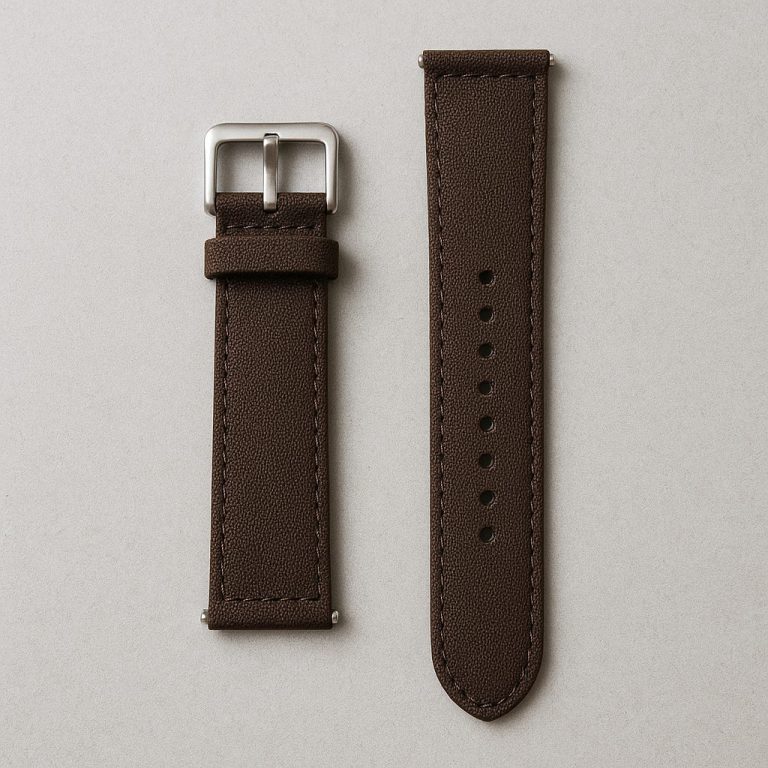
Leather Bands: Why Water Is a Problem
Leather bands are particularly sensitive to water. Leather is a natural material with a fibrous structure, which absorbs moisture. With occasional contact, the leather may dry out slowly, but with repeated wetting, water soaks in and eventually breaks down the internal structure. The band may feel stiffer, develop creases or cracks, and lose its original flexibility. Over time, the surface can become brittle, and the band may start to smell due to bacterial growth, especially if it doesn’t dry thoroughly between uses.
Even high-quality, treated leather will only resist water to a certain extent. Repeated cycles of wetting and drying accelerate aging and can lead to permanent changes in texture and fit. For those who use leather straps during daily handwashing or workouts, these problems can appear within weeks or months.
Metal Bands: Moisture Trapped Between Links
Most metal watch bands are made from stainless steel, valued for its resistance to corrosion and durability. While stainless steel itself doesn’t absorb water or change texture after getting wet, moisture can become trapped between the links, especially in closely-fitted bracelets. Over time, this trapped water can cause minor skin irritation or a feeling of stickiness until the band dries completely. In rare cases, minerals or soap residue from water can linger, leading to a less smooth feel. Regular cleaning and thorough drying help prevent these issues.
Fabric Bands: Stretch, Softening, and Odor
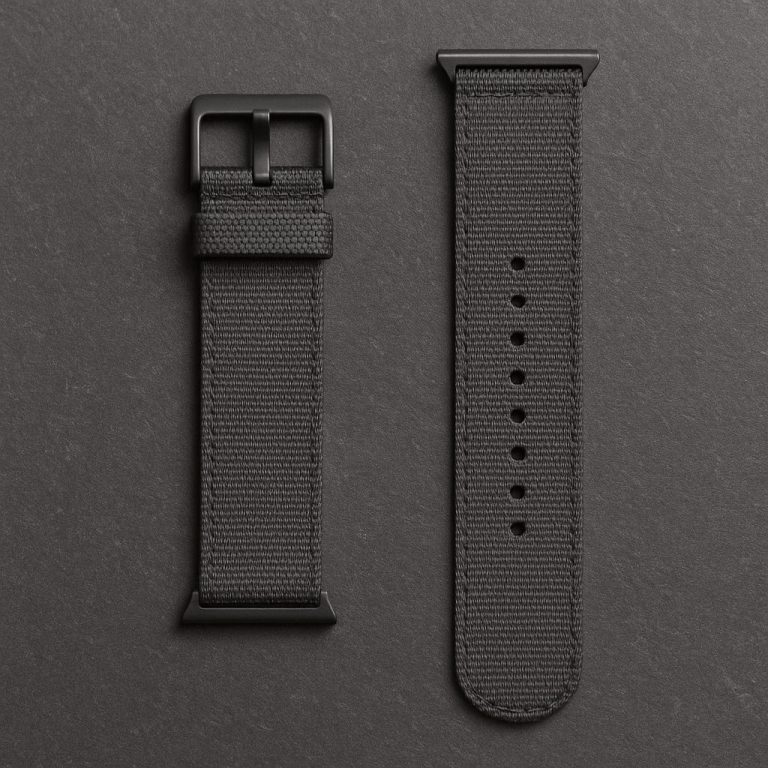
Fabric bands, often made from nylon or nylon blends, display a range of reactions to repeated wetting depending on the weave, thickness, and elasticity of the material. Dense weaves may feel stiff initially but soften after continued exposure to water. Over time, repeated wetting can cause the fibers to stretch, making the band looser and less secure. Some nylon straps develop a rougher texture as the surface fibers wear down. If the band isn’t allowed to dry thoroughly, it can also pick up a persistent odor, especially if exposed to sweat and saltwater.
For those who wear nylon straps during sports or swimming, rinsing the band in fresh water and allowing it to dry fully can help minimize these effects. However, long-term use will still change the feel of the fabric compared to when it was new.
Silicone Bands: Tacky Surfaces and Residue
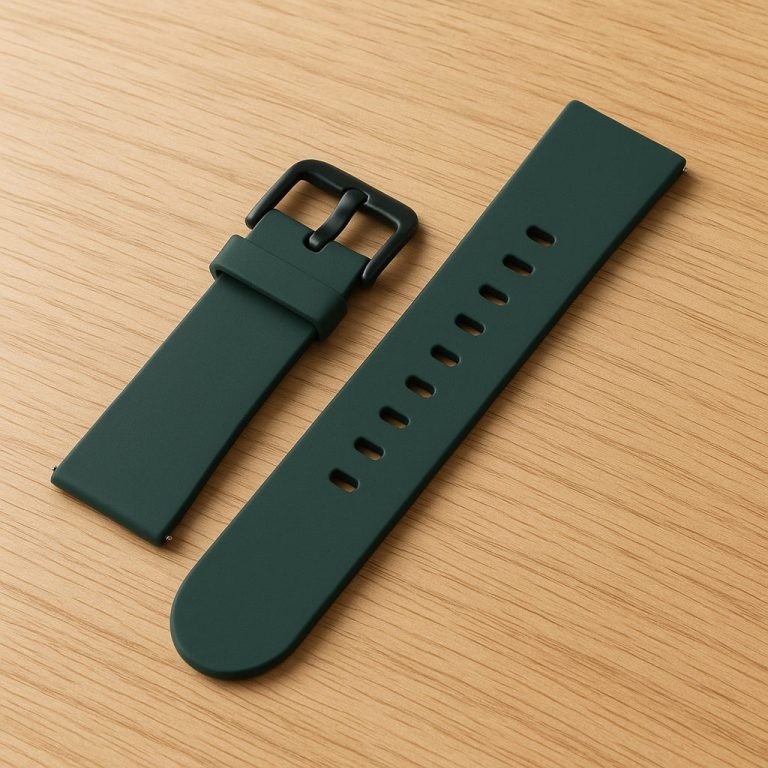
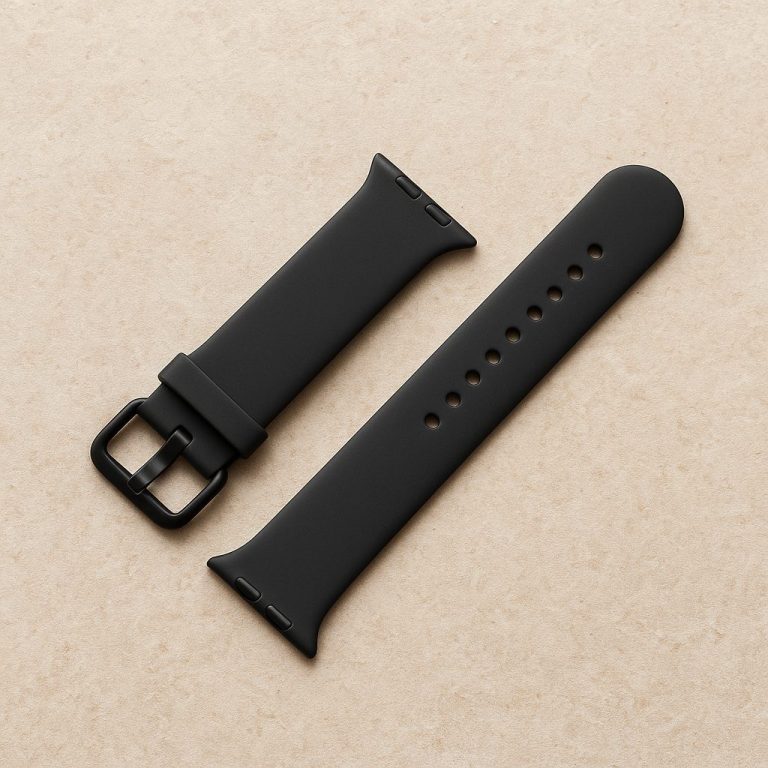
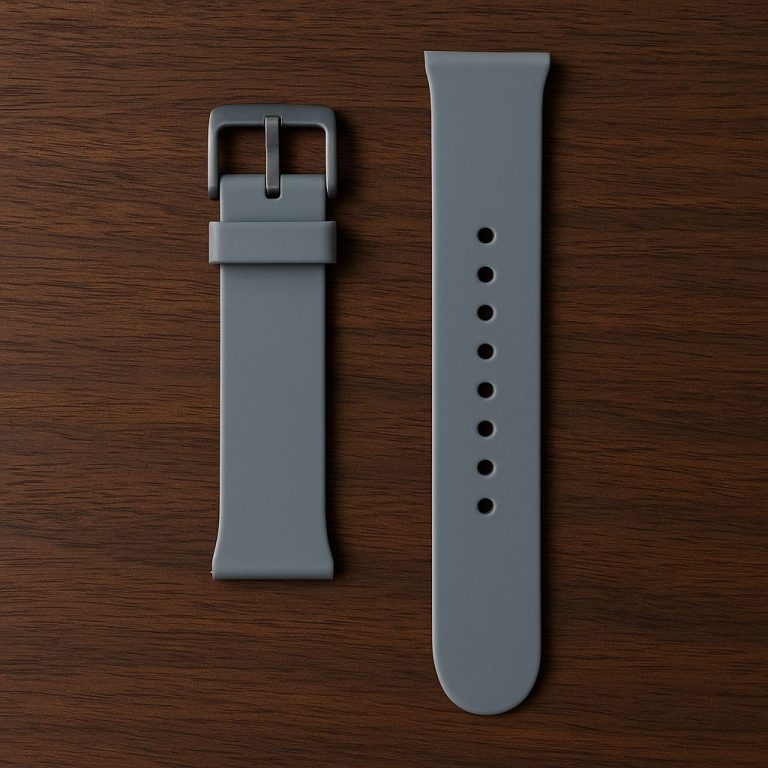
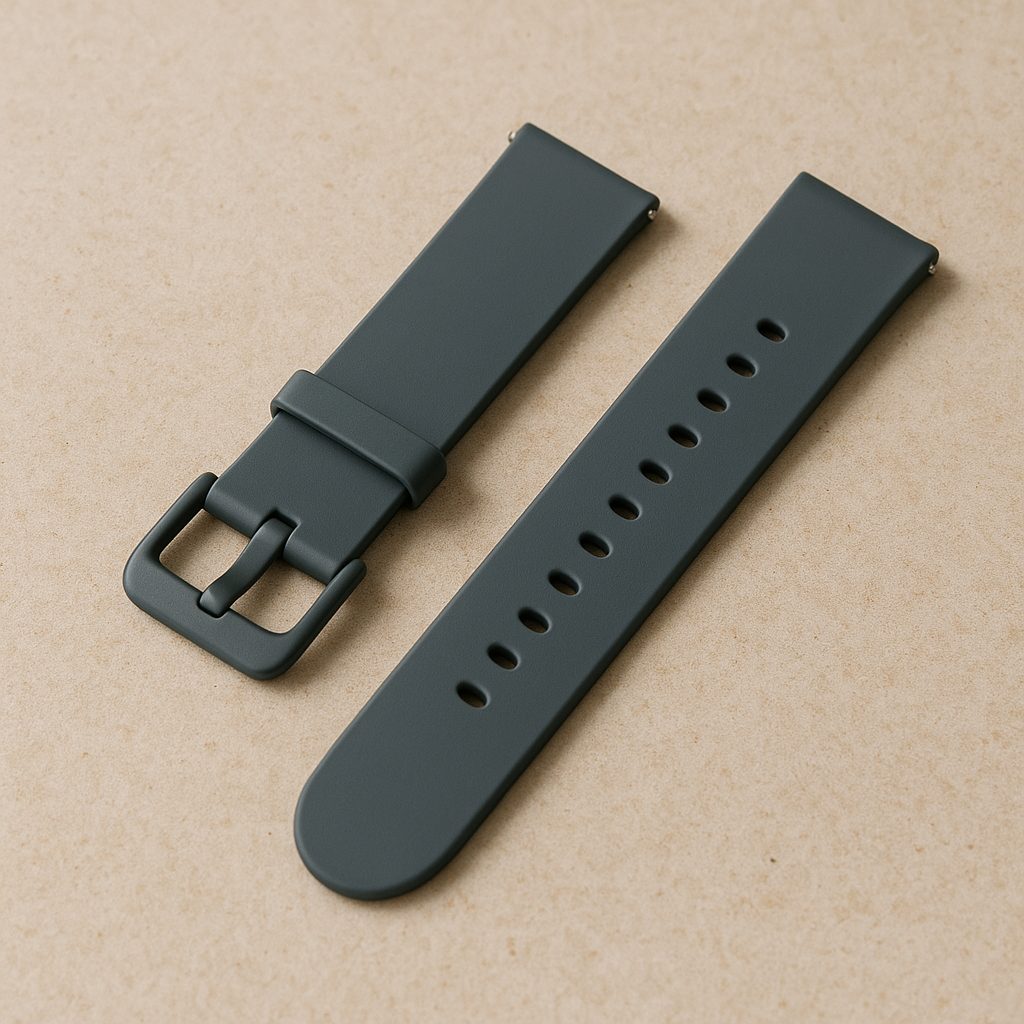
Silicone bands are popular for their flexibility and water resistance, but they can also change with prolonged exposure to water. Over time, the smooth surface of a silicone band might become slightly tacky or sticky. This happens as the surface absorbs oils from the skin and interacts with minerals in tap or pool water, which can alter the texture. The band may also start to attract dust and lint more readily, making it feel less smooth against the skin.
Frequent exposure to soapy water can speed up this process, as soap residue may remain in micro-pores on the band’s surface. Regular rinsing and occasional cleaning with plain water can help, but the change in feel is often gradual and difficult to reverse completely.
Factors That Make Changes More Noticeable
Several factors can make the effects of water exposure more pronounced:
- Frequency of wetting: Daily exposure leads to faster changes than occasional splashes.
- Drying conditions: Bands that stay damp for long periods (such as under tight sleeves) are more likely to change texture or develop odor.
- Water quality: Saltwater, chlorinated pool water, and hard tap water can accelerate changes in texture and appearance.
- Thickness and weave (for fabric): Thinner, loosely woven fabric bands stretch and roughen more quickly than dense, thick weaves.
Practical Steps to Preserve Watch Band Comfort
While some changes are unavoidable, a few simple habits can extend the comfortable lifespan of most watch bands:
- Dry the band thoroughly after exposure to water, especially fabric and leather.
- Avoid wearing untreated leather bands during activities that involve frequent wetting.
- Rinse silicone and fabric bands with fresh water after swimming in saltwater or pools, then let them dry completely before wearing again.
- Occasionally clean metal bracelets to remove trapped moisture and residue between the links.
Switching between bands for different activities can also help—for example, using a silicone or nylon strap for exercise and reserving leather for dry, indoor wear.
Recognizing When to Replace a Watch Band
Changes in texture, flexibility, or odor are signs that a watch band has been affected by repeated water exposure. If a silicone band feels sticky even after cleaning, a leather strap cracks or loses shape, or a nylon band becomes noticeably stretched or rough, it may be time to consider a replacement. Regular inspection and care can delay these changes, but once a band’s feel begins to affect comfort or function, replacing it is often the most practical solution.