What factors make a watch band feel heavier on the wrist than expected?
Why a Watch Band Might Feel Heavier Than Anticipated
Many people are surprised when a new watch feels noticeably heavier on the wrist than expected, even if the watch itself is not unusually large or thick. This sensation often comes down to the design and characteristics of the watch band. The feeling of weight is not just about the scale measurement of the band, but also how that weight is distributed, how the materials interact with your skin, and how the band attaches to the case and secures around your wrist.
Material Density and Band Structure
The most obvious and significant factor is the material used to make the band. Each material has a different density, flexibility, and surface feel, which can change how the weight is perceived during wear.
Metal Bands
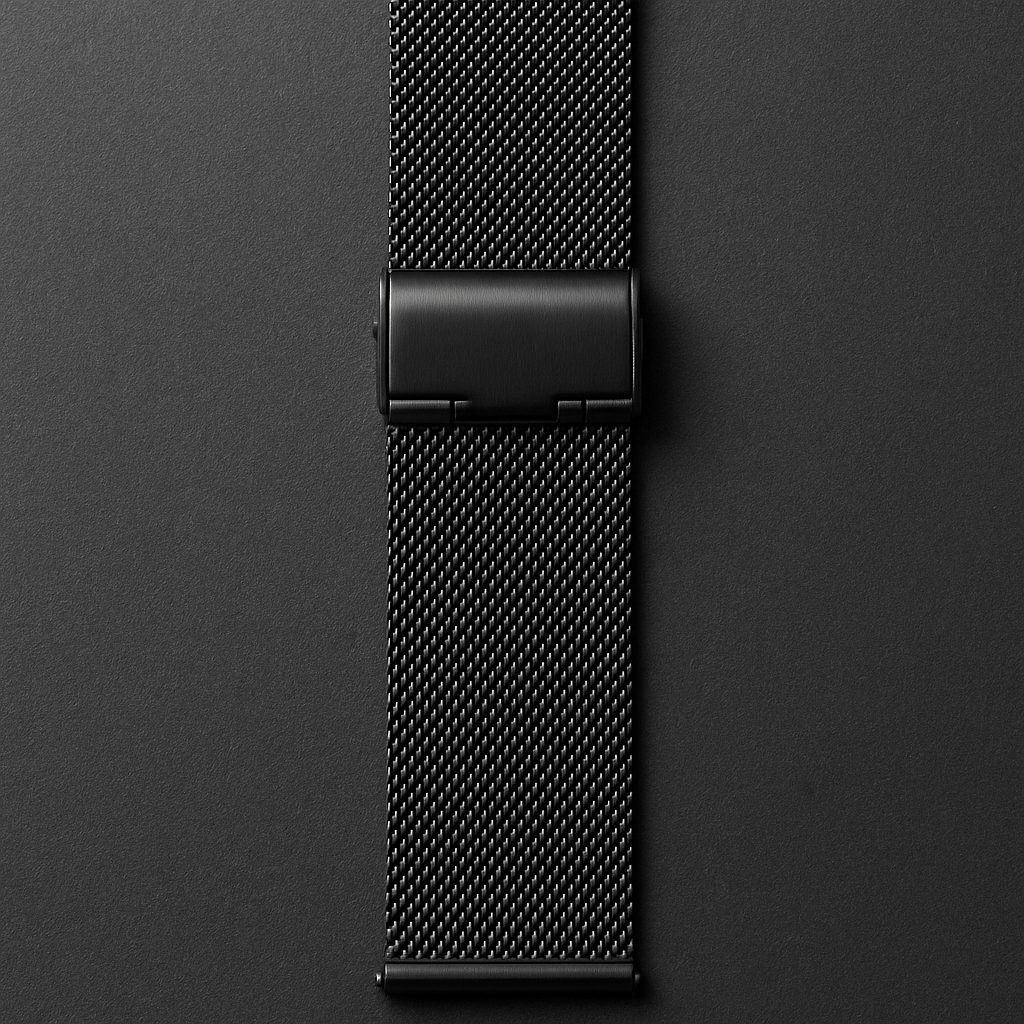
Metal watch bands are typically heavier than other types. Stainless steel is the most common material for these bands due to its durability and resistance to corrosion. Metal bracelets are composed of solid or hollow links, and the total mass can be substantial, especially if the links are solid. A well-constructed clasp or deployment mechanism can also add noticeable weight.
Many people find metal bands feel heavier because the weight is concentrated and less flexible, so the band does not contour as easily around the wrist. If the links are loosely fitted, the band may shift more, which can make the weight feel unevenly distributed. For some, this leads to a sensation of the watch “pulling” at the top or bottom of the wrist, amplifying the perception of heft.
Leather Bands
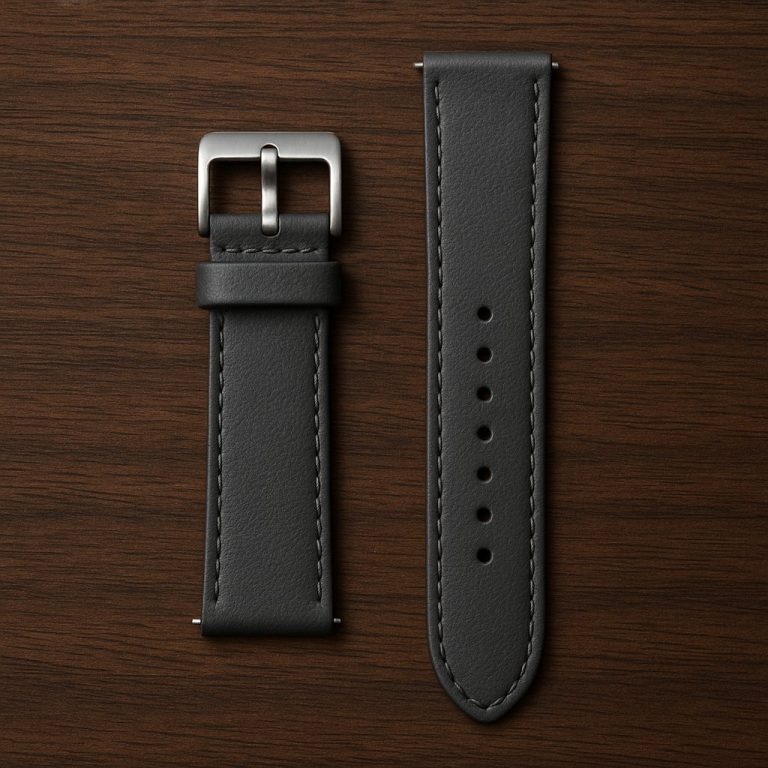
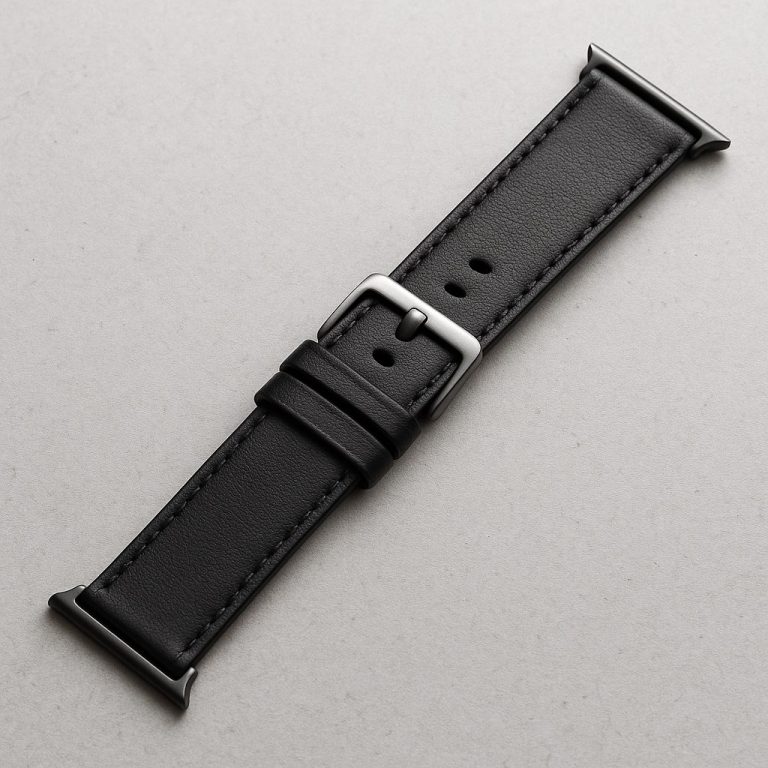
Leather bands are generally lighter than metal, but thickness, padding, and the presence of a substantial buckle can add to the perceived weight. A thick, stiff leather band may not flex well, so its mass feels more present against the skin. Over time, as leather softens and conforms to the wrist, it may feel less obtrusive, but initially, the combination of density and rigidity can translate into a heavier sensation.
Fabric Bands
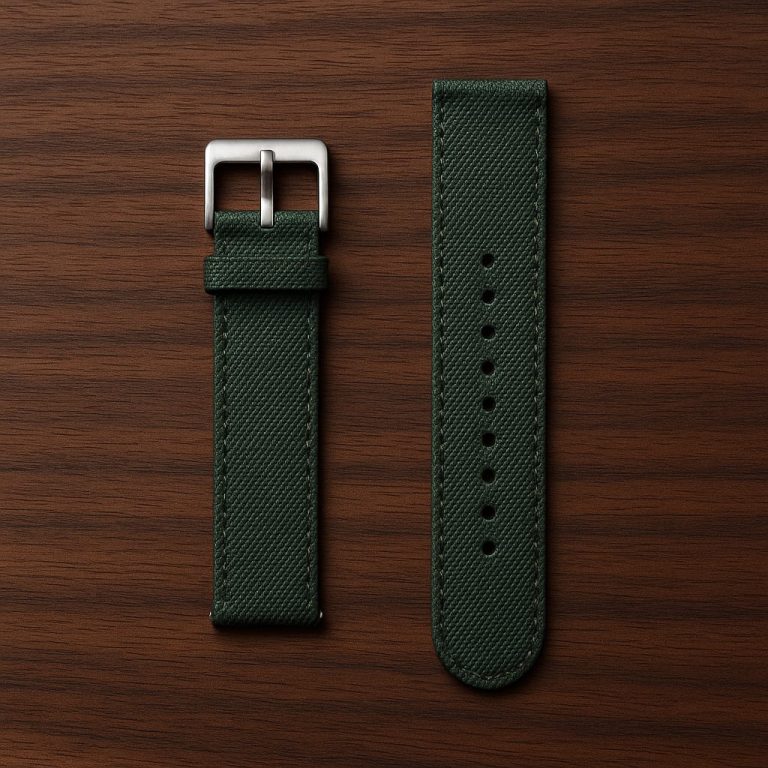
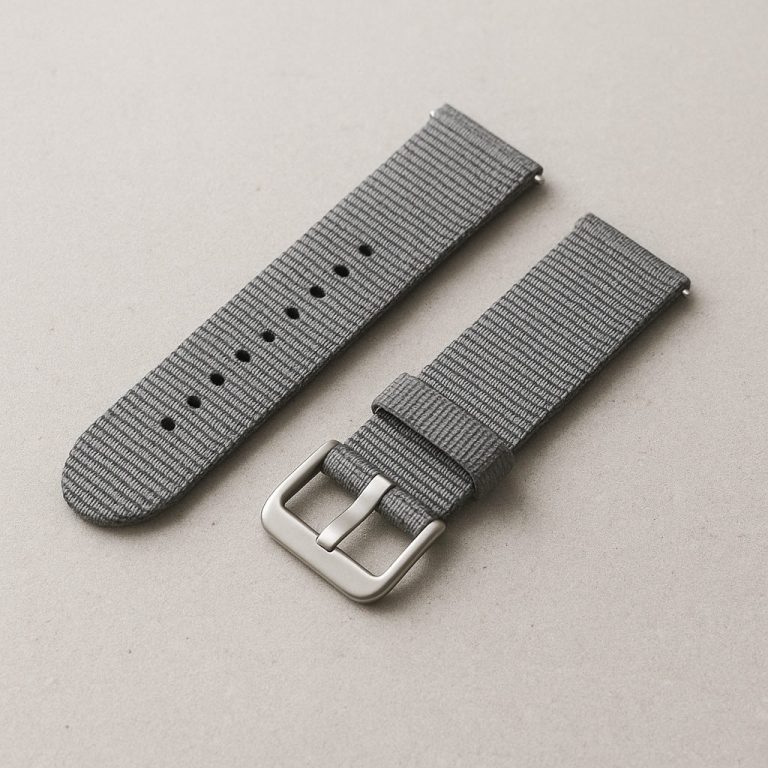
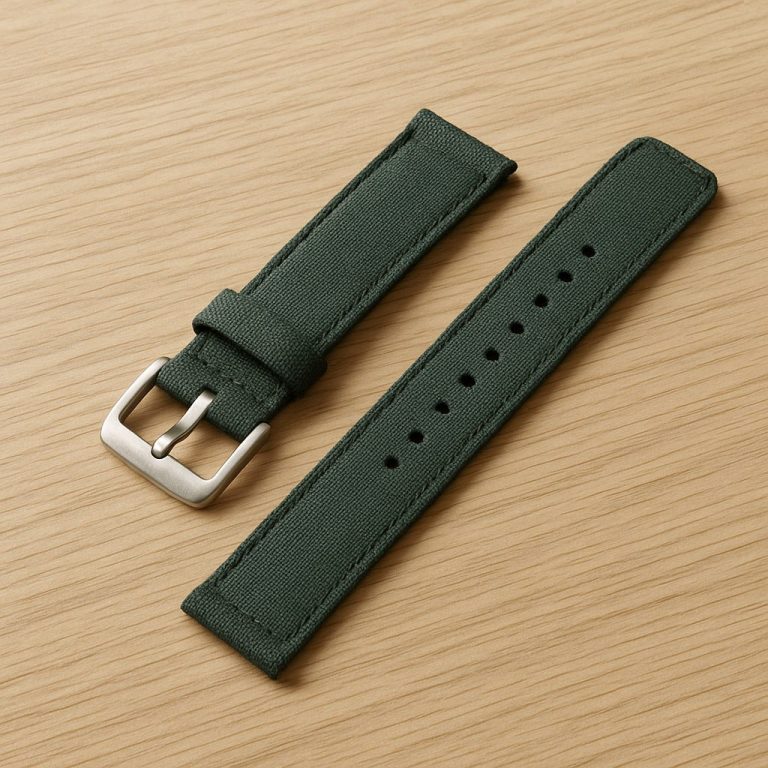
Most fabric watch bands are made from nylon or nylon blends, which are lightweight but can vary widely in thickness, weave density, and elasticity. A tightly woven, thick nylon strap may feel denser and bulkier than a thinner, more breathable one. Some stretchable or padded fabric bands can create a sense of snugness that either distributes weight comfortably or, if too tight, makes the band more noticeable on the wrist.
Silicone and Rubber Bands
Silicone and rubber straps are often chosen for their lightness and flexibility. However, a thick, wide silicone band may retain more weight than expected, and the way it grips the wrist can make the material feel heavier, especially if it traps heat or moisture. Very soft silicone can also create a sensation of “drag” as the band moves slightly against the skin.
Distribution of Weight and Band Width
The manner in which the band’s weight is distributed around the wrist has a major impact on comfort and perceived heaviness. A wide, evenly balanced band can spread the load, minimizing pressure points. In contrast, a narrow or tapered band may focus the weight in a smaller area, making the band feel heavier even if it is lighter overall.
For example, a wide leather cuff or broad metal bracelet will often feel more balanced than a thin, stiff strap that presses into a smaller section of your wrist. The same principle applies to multi-piece bands, such as those with large decorative elements or padding on only one side.
Attachment Design and Connection to the Case
The way a watch band attaches to the watch case also affects its feel. Most watches use lugs—small protruding arms on the case—to secure the band. The band is then held in place by mechanisms such as spring bars or quick-release pins. These components add a small amount of weight but, more importantly, determine how closely the band sits against the wrist and how rigid the connection feels.
If the lugs are long or angled sharply, the band may sit higher off the wrist, causing the weight to feel less integrated and more top-heavy. Bands that use solid end links (as opposed to hollow or flexible connections) are heavier and can make the band feel stiffer, which often translates into a more noticeable weight.
Band Length and Excess Material
Extra-long bands or those with excess material tucked under keepers can also contribute to a heavier sensation. For metal bracelets, too many links left unremoved will increase the overall weight. For fabric or silicone bands, excess length can flap or bunch, making the band feel bulkier and more present. Adjusting the band to the correct size for your wrist can make a significant difference in how heavy it feels during daily activities.
Fit, Flexibility, and Wrist Shape
The way a band fits—snugly or loosely—affects how its weight is distributed and perceived. If a band is too loose, the watch and band can move around, causing the weight to shift and feel more pronounced with each motion. A very tight band, on the other hand, can press into the skin, making even a lightweight material feel heavier by increasing pressure on one area.
Wrist shape also matters. On a flat or broad wrist, weight is spread out, reducing pressure points. On a rounder or smaller wrist, the same band might focus its weight on a narrower area, amplifying the sense of heaviness.
Surface Texture and Skin Contact
The surface of the band—whether smooth, textured, padded, or perforated—can influence how the band feels against the skin. A dense, unbreathable material can trap heat and sweat, increasing discomfort and leading to the perception of heaviness, particularly during physical activity or in warm weather. Bands with rough or stiff textures may also rub against the skin, making their presence more noticeable.
Table: How Band Characteristics Affect Perceived Heaviness
| Band Material | Key Factors Affecting Feel | Common Sensations |
|---|---|---|
| Metal (Stainless Steel) | Density, link construction, clasp size, end link type | Substantial, cool, sometimes top-heavy or shifting |
| Leather | Thickness, stiffness, padding, buckle size | Firm, can feel bulky or tight before breaking in |
| Fabric (Nylon/Nylon blends) | Weave density, thickness, elasticity, breathability | Light, sometimes bulky or snug, rarely heavy |
| Silicone/Rubber | Width, softness, grip, moisture retention | Soft, sometimes sticky, can feel heavier if thick |
Real-World Example: Adjusting Perceived Weight
If a watch band feels heavier than expected, making small adjustments can help. For a metal bracelet, removing extra links and ensuring a snug but not tight fit can distribute the weight more evenly. For a thick nylon strap, switching to a thinner, more flexible weave may help reduce the sensation of bulk. Even choosing a buckle or clasp that is less substantial can make a noticeable difference in daily comfort.
Key Takeaway
The feeling of heaviness in a watch band is a result of several factors working together—material density, band width and length, attachment design, fit, and even surface texture. Understanding these aspects makes it easier to select or adjust a watch band for better comfort, ensuring the watch feels balanced and unobtrusive throughout the day.