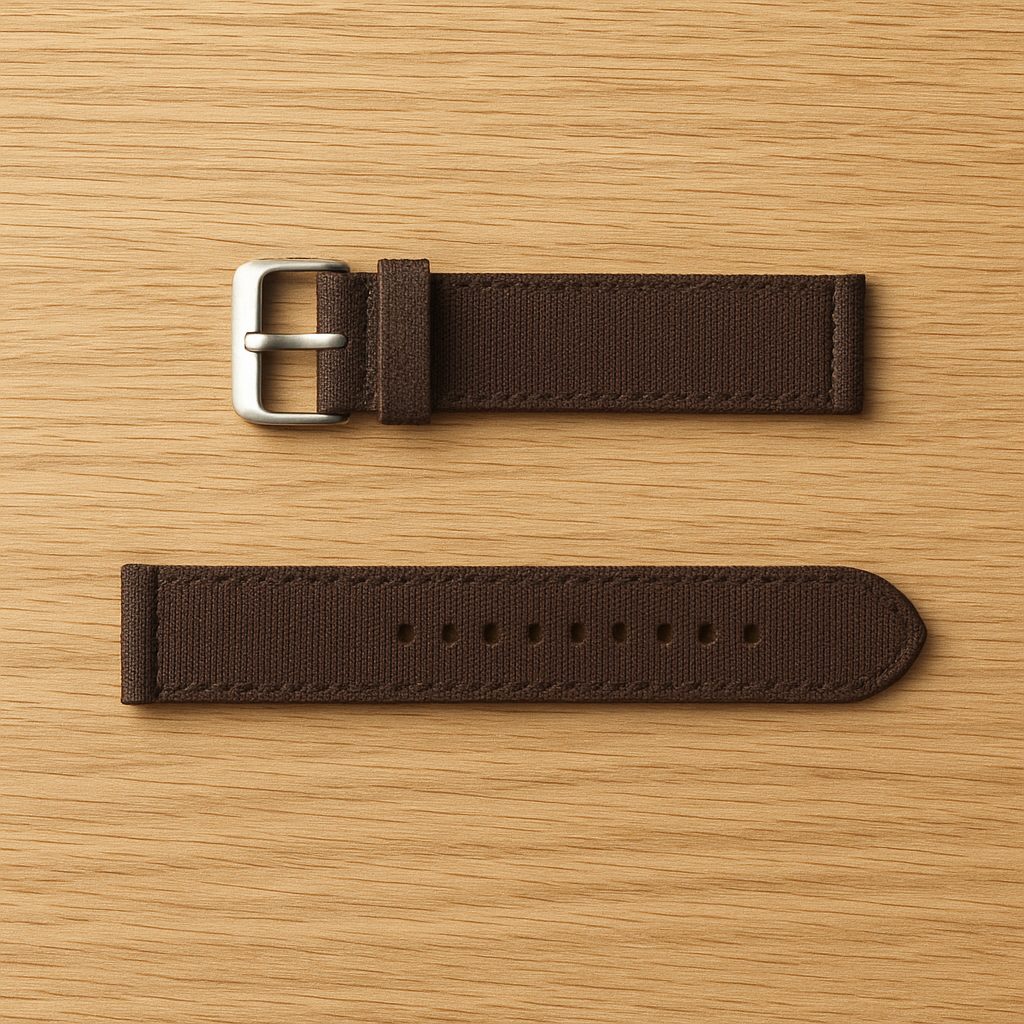
How different inner lining materials affect long-term comfort and grip
Why Inner Lining Materials Matter for Comfort and Grip
After wearing a wristwatch through a long day at work, some notice a band that feels sticky, causes irritation, or slides out of place during daily activities. Often, this comes down to the material used for the inner lining of the watch band—the part that sits directly against the skin. While the outer material of a band affects appearance and durability, the inner lining can make a significant difference in how comfortable and secure the watch feels over hours of use.
What Is an Inner Lining?
The inner lining of a watch band is a separate layer or surface facing the skin. In some bands, this is a distinct material stitched or bonded to the underside; in others, such as metal bracelets or silicone bands, the same material forms both the outside and inside. The choice of lining affects moisture absorption, skin irritation, slippage, and overall comfort, especially during extended wear or physical activity.
Common Inner Lining Materials and Their Effects
Different types of bands—leather, fabric, metal, and silicone—use various linings or finishes, each with its own impact on comfort and grip. The table below summarizes how these materials typically perform over time:
| Material/Lining | Comfort Over Time | Grip/Security | Typical Issues |
|---|---|---|---|
| Unlined Leather | Softens with wear, molds to wrist | Moderate grip, can slip if sweaty | Absorbs sweat, can develop odor |
| Leather with Synthetic Lining | Consistent feel, resists moisture | Improved grip, less slippage | May not break in as naturally |
| Nylon or Nylon Blend Fabric | Lightweight, breathable | Textured surface increases grip | May feel rough or irritate skin |
| Metal (e.g., Stainless Steel) | Cool, smooth; less flexible | Relies on links for fit, does not grip skin | Can pinch hair or skin, less sweat absorption |
| Silicone Band | Soft, flexible, water resistant | Good grip, resists slippage | May cause sweating under band |
Leather Bands: Natural vs. Synthetic Linings
Leather bands often use a natural or synthetic inner lining to address comfort and moisture concerns. An unlined leather band develops softness and a custom fit over time, but it can absorb sweat and oils, especially in hot weather, leading to odor or staining. Some leather bands use a synthetic or treated lining—such as polyurethane or microfiber—to create a moisture barrier. This helps the band stay dry and reduces the chance of skin irritation, but may result in a stiffer feel and a less natural break-in process. For those with sensitive skin, a synthetic lining can be beneficial, but some prefer the traditional feel and patina of all-leather construction.
Fabric Bands: Variations in Weave and Texture
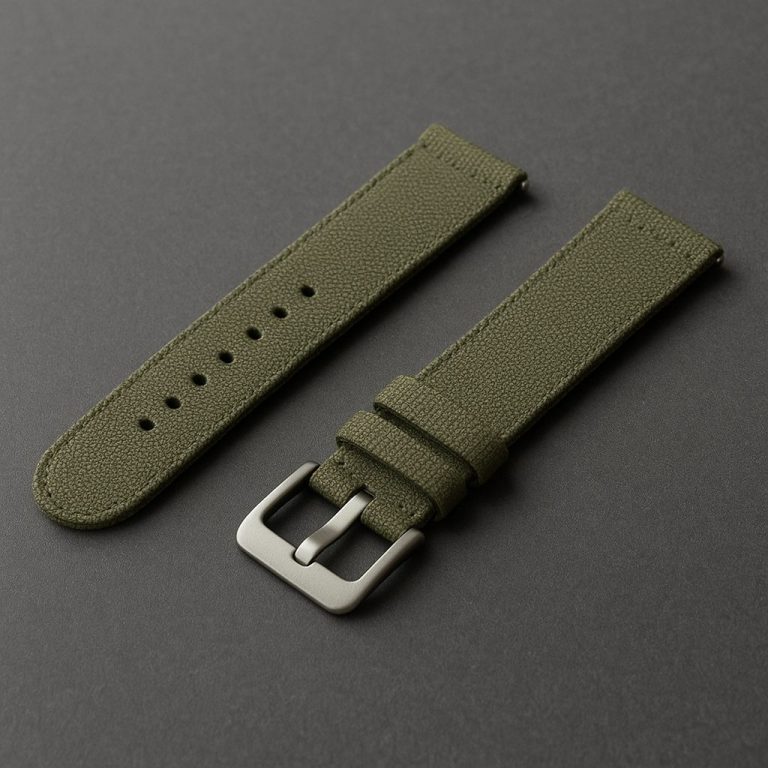
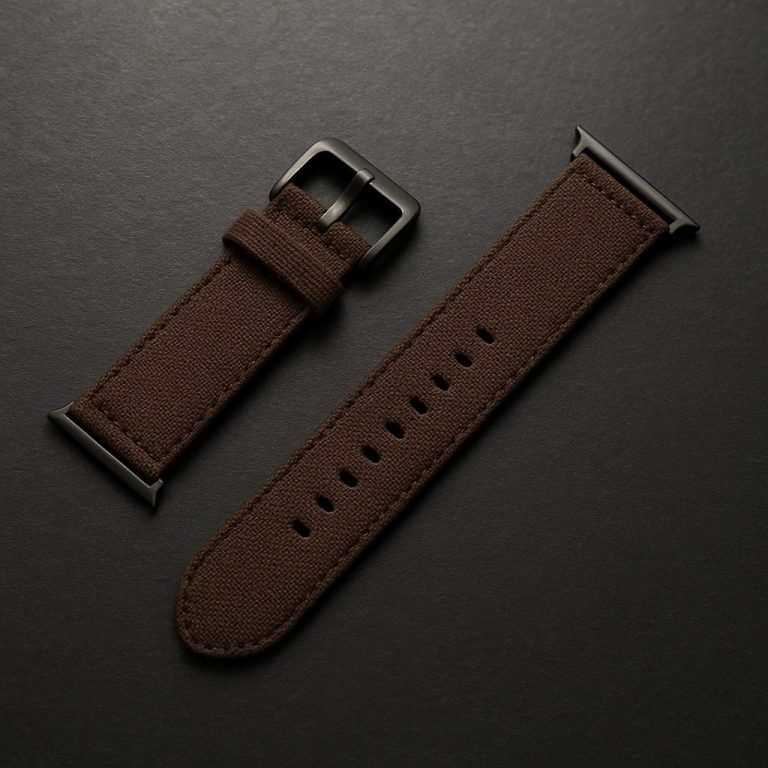
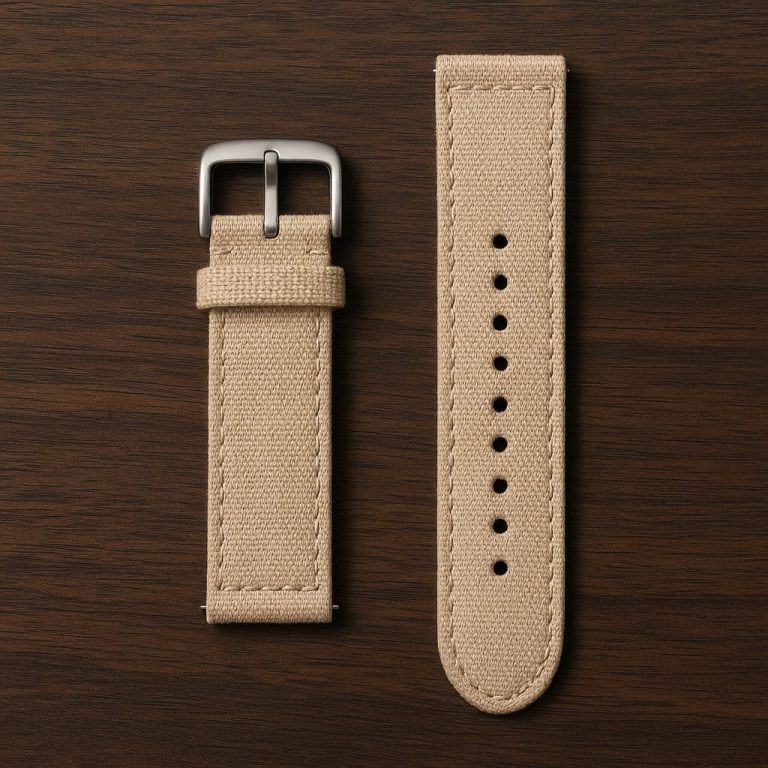
Most fabric watch bands are made from nylon or nylon blends, chosen for their strength and quick-drying properties. The inner surface can vary in weave density, thickness, and texture. A tightly woven, smooth nylon lining tends to be less abrasive and more comfortable for extended wear. Looser or more textured weaves increase grip and help prevent the band from shifting, but may feel rougher against the skin, especially if worn snugly or during activity. Some fabric bands use a padded or slightly elastic core to improve softness and flexibility, reducing pressure points. Those with sensitive skin might prefer a smoother, finer weave on the lining to minimize irritation.
Metal Bracelets: Solid Surfaces and Link Design
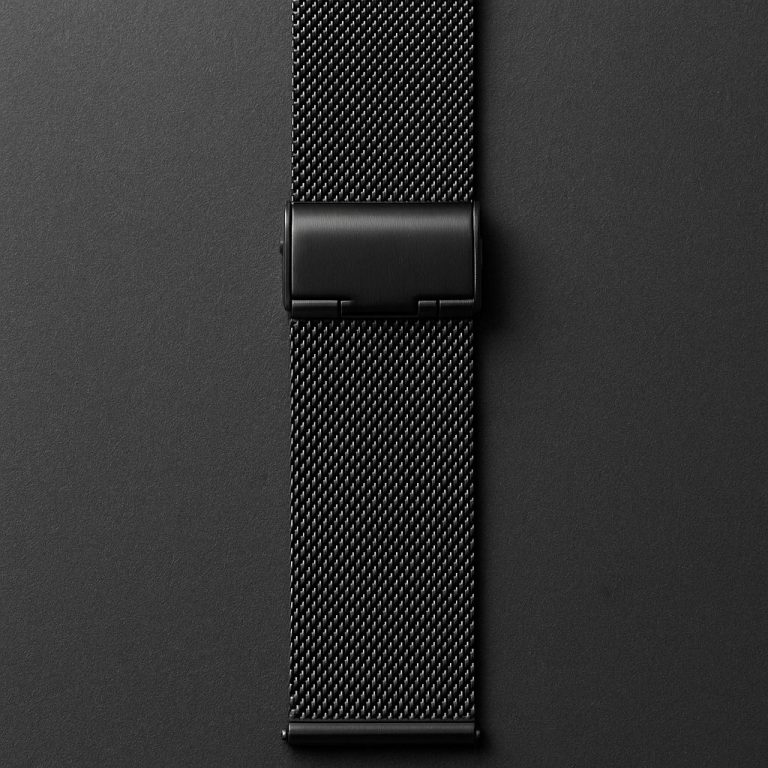
Metal watch bands, most commonly made of stainless steel due to its durability and corrosion resistance, do not have a separate inner lining. Instead, the comfort and grip depend on the smoothness of the underside links and their articulation. A well-finished bracelet with rounded or polished inner surfaces reduces the risk of pinching or hair pulling. However, since metal does not absorb moisture, sweat can accumulate underneath, sometimes making the band feel sticky or causing the watch to slide on the wrist. Micro-adjustments or flexible links can help maintain a secure fit, but metal will always offer less conforming grip than softer materials.
Silicone Bands: Surface Finish and Skin Contact
Silicone bands are molded as a single piece with a uniform surface. The smooth, slightly tacky texture of silicone provides a snug grip that helps keep the watch in place, even during vigorous movement. Because silicone is water resistant, it does not absorb sweat, which can be helpful during exercise or outdoor activity. However, this can also lead to trapped moisture between the band and skin, making the area feel damp or causing irritation over long periods. Some silicone bands feature small grooves or perforations on the inner surface to increase airflow and reduce sweat buildup—a practical feature for those who wear their watch during workouts or in hot conditions.
How Inner Lining Affects Long-Term Wear
Over time, the interaction between the lining material and the skin can influence not only immediate comfort but also the longevity of both the band and the user’s enjoyment. A fabric band with a rough or thick lining might feel secure on the wrist, but may also cause chafing after long wear. Leather bands with untreated linings soften and adapt to the wrist, but may require regular cleaning to prevent odor. Metal bracelets with well-finished inner links offer a durable option, but may not be as comfortable for those with sensitive skin or allergies to certain metals. Silicone bands provide reliable grip and flexibility, but can lead to increased sweating under the band.
Practical Tip: Matching Lining to Activity
For someone who wears a watch all day at a desk, a soft leather or smooth nylon lining may provide the best comfort. Those who exercise frequently or work outdoors might prefer the secure grip of silicone bands or highly textured fabric linings. Adjusting the fit to allow a small gap for airflow can help reduce sweating and irritation, regardless of the material.
Key Takeaway
The inner lining material of a watch band plays a central role in determining both comfort and grip, especially over long periods. Understanding the properties of leather, fabric, metal, and silicone linings helps in choosing or adjusting a watch band for daily comfort and reliable wear. Selecting a lining that matches the skin’s needs and typical activities can make a significant difference in how a watch feels throughout the day.