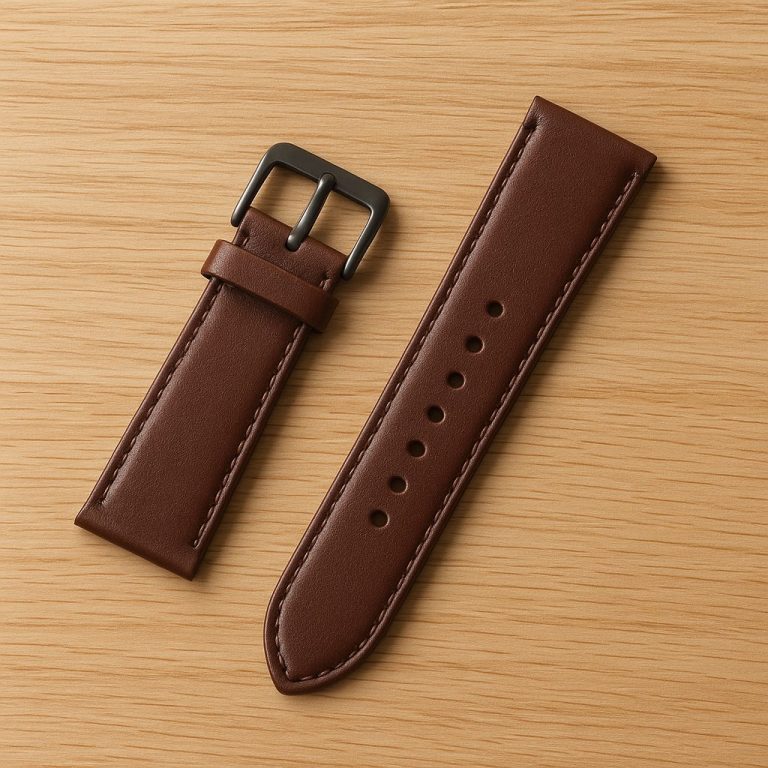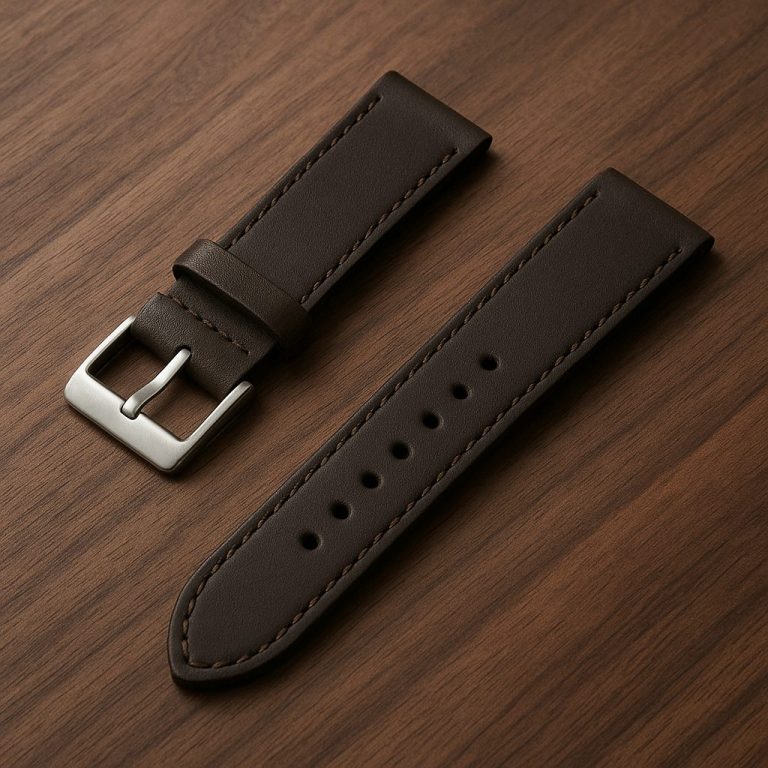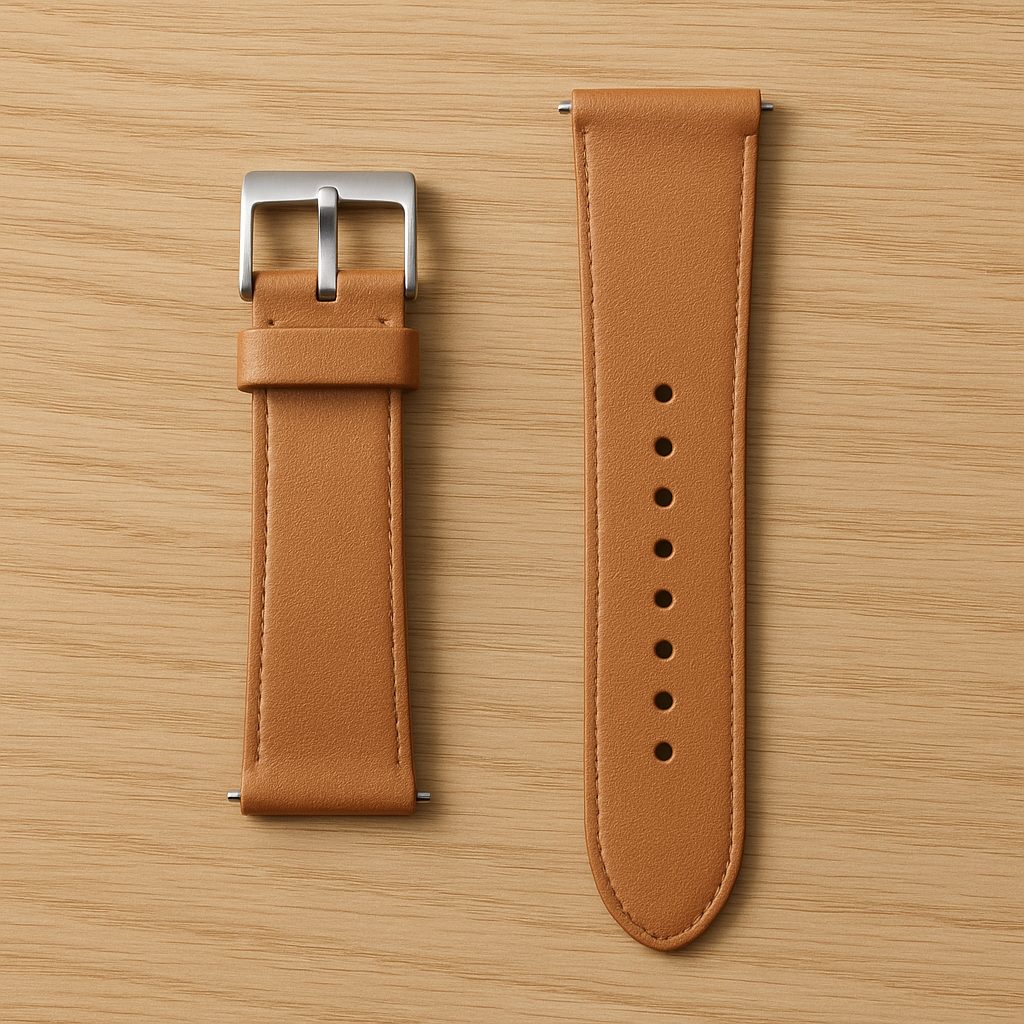
Why do leather watch bands become uncomfortable over time
Why Leather Watch Bands Start to Feel Uncomfortable
After wearing a leather watch band for several months, some people notice it starts to feel stiff, sticky, or even irritating against the skin. A band that once felt smooth and flexible can develop rough spots, odors, or become less pleasant to wear for extended periods. Understanding what causes these changes can help prevent discomfort and extend the life of a leather watch band.
How Leather Changes with Use
Leather is a natural material made from animal hide, finished and treated to produce a durable, attractive surface. Unlike metal or silicone bands, leather is porous and reacts to its environment. Over time, regular contact with skin, sweat, moisture, oils, and temperature shifts leads to noticeable changes in both appearance and feel.
These changes can include:
- Loss of flexibility
- Surface cracking or flaking
- Increased stiffness in certain areas
- Development of unpleasant odors
- Accumulation of grime or discoloration
Why Leather Loses Comfort Over Time
The main factors that cause leather watch bands to become uncomfortable are:
- Absorption of Sweat and Oils: Leather absorbs moisture from skin, including sweat and natural oils. Over time, this can break down the fibers, causing the band to stiffen or become sticky. This buildup also encourages bacterial growth, which can lead to odors and skin irritation.
- Drying and Cracking: Repeated cycles of getting wet and drying out cause leather to lose its natural oils. As these oils are depleted, the band becomes dry, brittle, and prone to cracking, especially near holes or where the band bends the most.
- Compression and Deformation: Continuous bending at the same place—such as at the buckle or where the band passes through the lugs and is held by spring bars—causes those areas to thin, flatten, or lose shape. This may cause hard edges or pressure points that rub uncomfortably against the wrist.
- Surface Wear: Friction from daily movement, typing, or sliding the watch under a cuff wears away the smooth outer layer. As the finish deteriorates, the band may feel rough or uneven.
- Accumulation of Dirt: Dust, skin particles, and other debris can become embedded in the porous surface, making the leather feel gritty and contributing to discomfort.
Typical Timeline for Leather Deterioration
The rate at which a leather band becomes uncomfortable varies based on several factors:
- Frequency and duration of wear
- Exposure to sweat or water
- Environmental humidity and temperature
- Personal skin chemistry
- Quality and type of leather
For example, wearing a leather band daily in a hot, humid climate will usually result in faster deterioration than occasional wear in mild conditions. Bands made from softer, untreated leather often absorb moisture more quickly, while heavily treated or coated bands may resist water but become stiffer as the surface finish wears down.
Comparing Leather to Other Watch Band Materials
Leather is just one of several common materials used for watch bands. Each material interacts differently with the skin and environment. Here’s a concise comparison:
| Material | Typical Comfort Over Time | Key Maintenance Issues |
|---|---|---|
| Leather | Can stiffen, absorb sweat, and become odorous or cracked | Needs regular cleaning and conditioning to prevent drying, odor, and wear |
| Metal (mostly stainless steel) | Generally stays comfortable; can pinch or pull hair if not properly sized | May accumulate grime between links, but doesn’t absorb sweat; requires periodic cleaning |
| Fabric (mostly nylon blends) | Breathable and flexible, but can absorb sweat and develop odor or fraying | Needs occasional washing; weave density and thickness affect feel and drying time |
| Silicone | Remains flexible and water-resistant, though may feel sticky in hot weather | Easy to clean; can collect dust or lint but does not absorb sweat |
While leather bands are often appreciated for their classic appearance and initial comfort, they demand more care to maintain their condition compared to metal, fabric, or silicone options.
Environmental and Skin Factors
Environmental exposure plays a major role in how quickly a leather watch band becomes uncomfortable. High humidity, frequent contact with water, or exposure to lotions and perfumes can accelerate wear. Even short-term exposure to rain or washing hands can introduce enough moisture to begin breaking down the leather’s structure if the band is not dried promptly.
Personal skin chemistry also matters. Some people perspire more, or their sweat is more acidic, which can speed up leather deterioration. In some cases, leather bands may also cause skin reactions if the finish wears off and exposes tanning agents or dyes.
Maintenance and Practical Precautions
While some discomfort is inevitable with long-term use, a few simple habits can help slow down the process:
- Remove the watch before activities likely to cause heavy sweating or water exposure, such as exercise or showering.
- Allow the band to air out regularly, especially after getting wet.
- Wipe the band with a soft, damp cloth to remove sweat and dirt. Avoid soaking the leather.
- Apply a leather conditioner occasionally to restore moisture and flexibility, but only products recommended for watch bands.
- Rotate with other bands if possible to give the leather time to rest and dry between uses.
In daily life, someone who wears a leather watch band while cycling to work in the summer will likely notice more rapid changes than someone who wears the same band only for special occasions indoors. Over time, even with careful use, some stiffening and odor may develop, signaling it’s time to clean, condition, or eventually replace the band.
Signs That a Leather Band Needs Attention
Paying attention to how a leather watch band looks and feels can help minimize discomfort. Watch for:
- Noticeable stiffness or reduced flexibility
- Persistent odor even after airing out
- Visible cracks, flaking, or deep discoloration
- Rough textures that irritate the skin
- Areas that remain damp long after exposure to moisture
Addressing these issues early, either by cleaning or conditioning, can extend the usable life of a leather band and keep it comfortable for longer.
When to Replace a Leather Watch Band
Eventually, every leather watch band will reach a point where comfort and appearance suffer despite cleaning and care. If a band feels persistently uncomfortable, shows severe cracking, or causes skin irritation, replacement is the most practical solution. Some watches use spring bars or quick-release pins to attach the band to the lugs, making band replacement a straightforward task for most users.
Understanding how leather changes with use helps set realistic expectations and encourages regular maintenance. Proper care can delay discomfort, but recognizing the signs of wear ensures the watch remains a pleasure to wear and avoids potential skin irritation.