What causes a watch band to feel more secure without being tighter
Why a Watch Feels More Secure Without Extra Tightness
After adjusting a watch band, the watch face might stay steady on your wrist during a busy day, even though the band isn’t any tighter than before. This feeling of improved security—without added pressure—often comes from subtle changes in how the band fits, the materials used, or the way the band interacts with your wrist’s shape and movement. Understanding these factors can help reduce that distracting sliding or shifting without sacrificing comfort.
Factors That Influence How Secure a Watch Band Feels
A secure-feeling watch band isn’t simply about tightness. Several design and material features work together to help a watch feel stable on your wrist, keeping the case in place without overtightening the band.
Band Width and Surface Contact
Wider bands naturally distribute pressure over a larger area and provide more contact with your wrist. This extra surface area creates friction that helps prevent the watch from sliding around. For example, a broad leather strap or a wide metal bracelet often feels less prone to shifting than a narrow band, even if both are adjusted to the same snugness.
Material Texture and Grip
The texture and finish of the band material play a key role in grip:
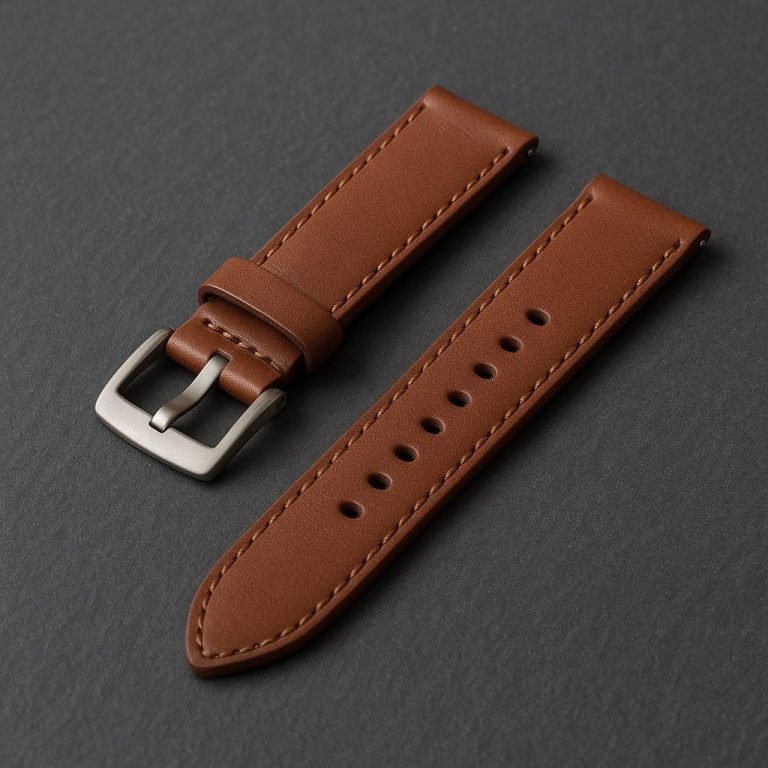
- Leather bands—especially those with a matte or textured underside—can grip the skin better than smooth, glossy finishes. Soft, unfinished leather often creates a secure feeling without needing to be pulled tight.
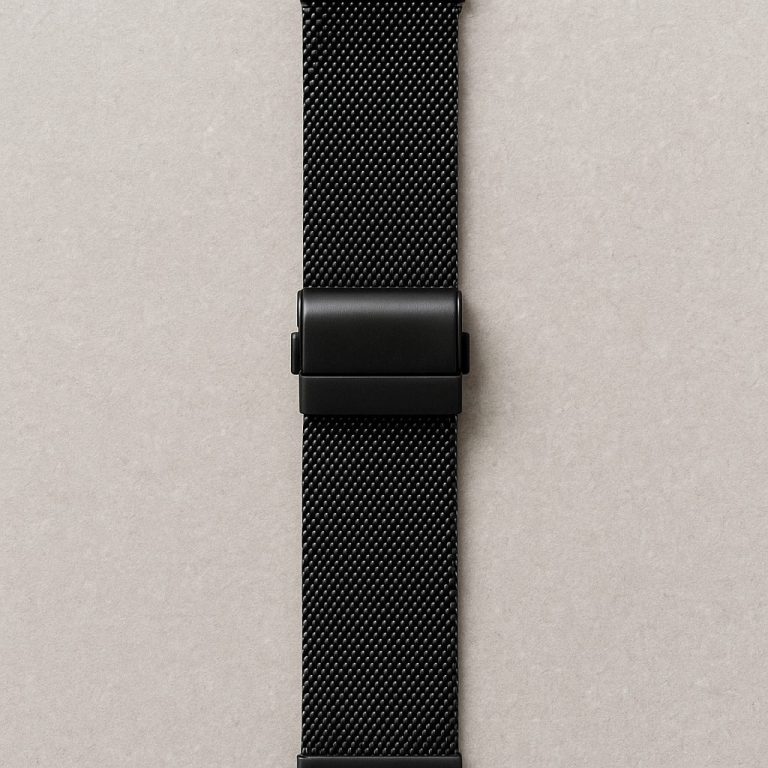
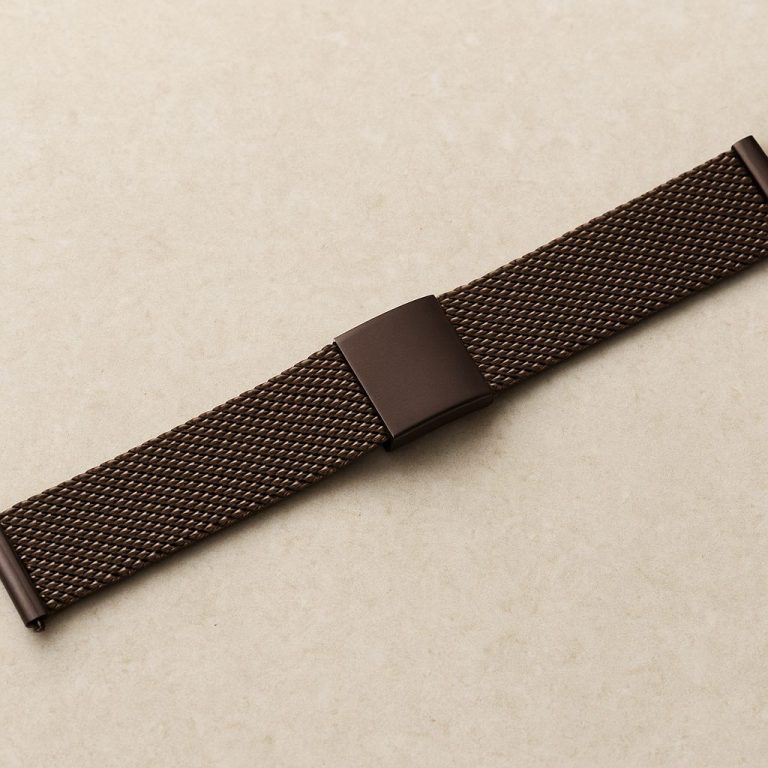
- Metal bands, most commonly made from stainless steel, usually feature small links that can flex and conform to wrist shape. While metal feels smoother, the micro-movements of the links help the band “settle” into place, making it less likely to twist or turn.
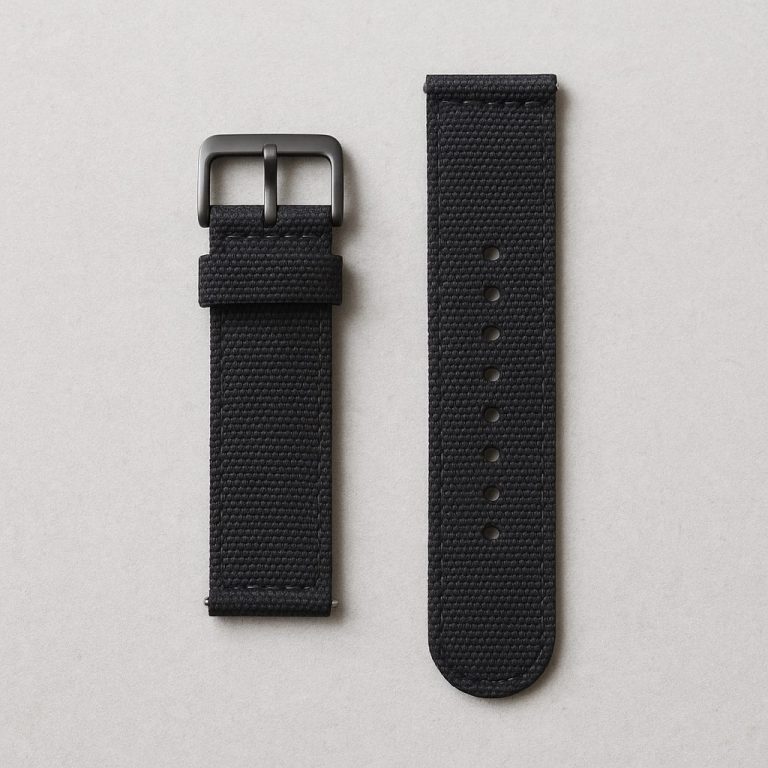
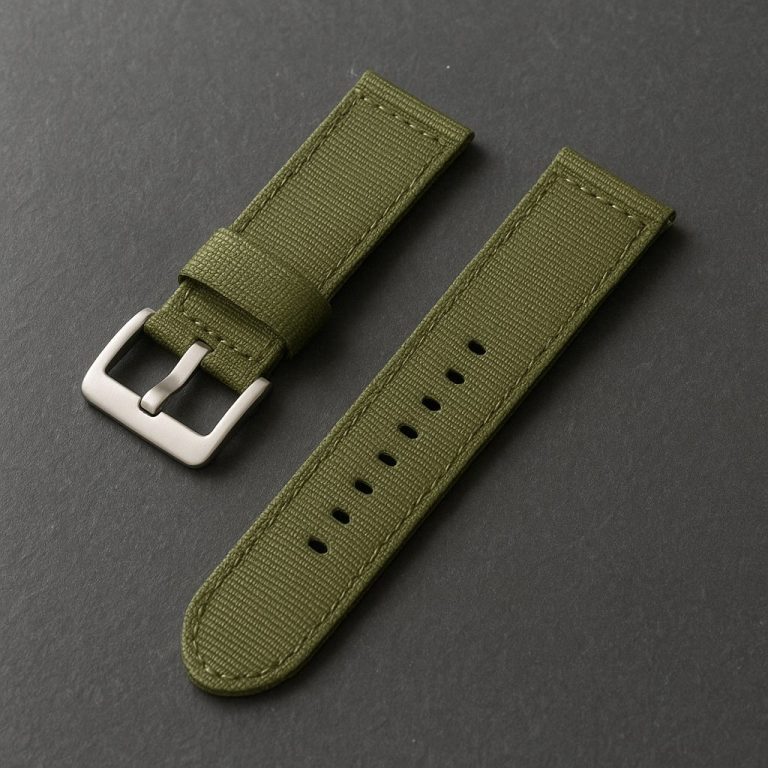
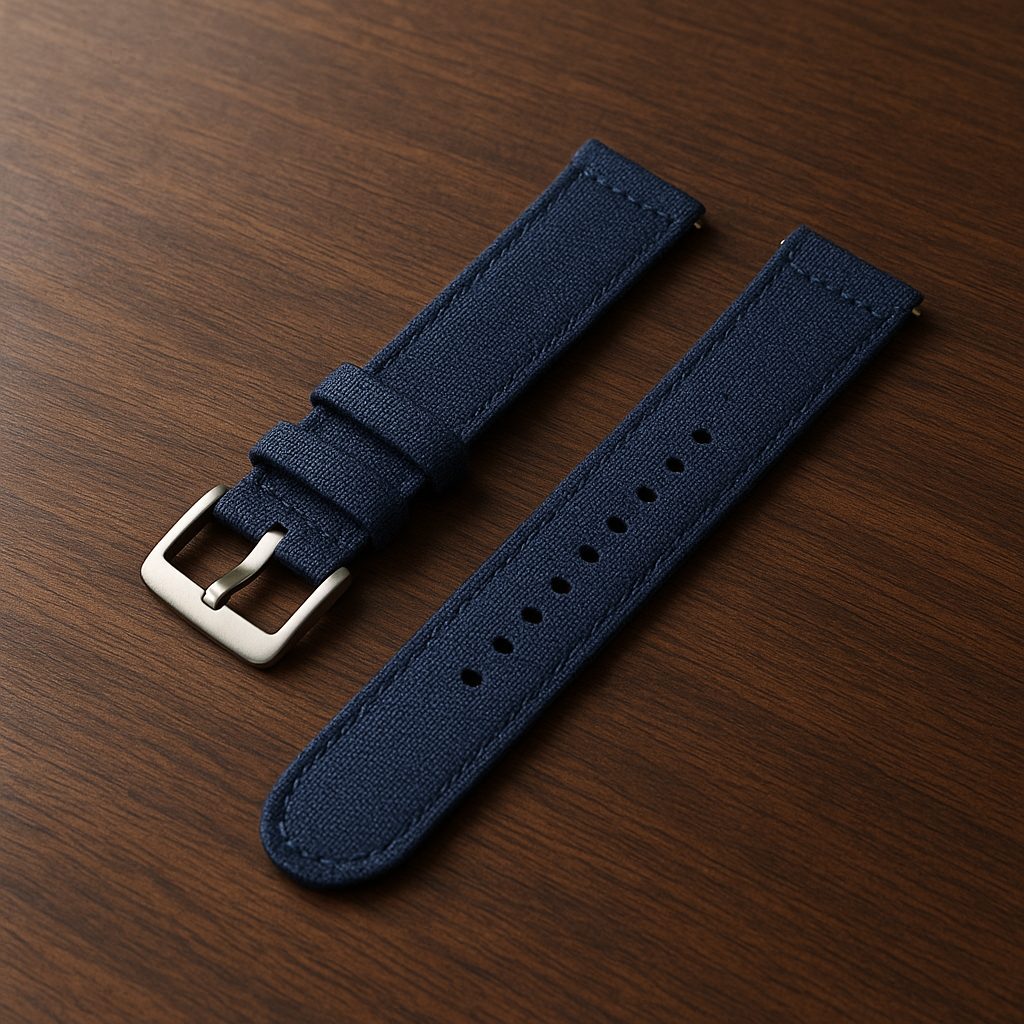
- Fabric bands—typically made from nylon or nylon blends—vary in weave density and surface finish. A tighter, denser weave with a lightly textured or slightly elastic underside can grip the wrist more effectively, while still feeling soft and breathable.
- Silicone bands offer a gentle, flexible grip. The slightly tacky nature of silicone helps the band adhere lightly to the skin, so the watch stays put even if the band is not cinched tightly.
Band Shape and Ergonomics
Some bands are shaped to contour more closely to the wrist. A subtle curve or a band that tapers toward the buckle can help the watch sit flat and stable. Bands with extra flexibility or those designed to follow the wrist’s natural curve often create a more secure fit, particularly during arm movement.
Band Adjustability and Micro-Adjustment Features
Many watch bands offer fine-tuning options, such as additional holes, sliding clasps, or micro-adjustment mechanisms. These allow for smaller changes in fit, so the band can be set just right: secure enough to stay in place but not so tight as to cause discomfort. For example, a metal bracelet with a clasp that allows half-link adjustments can help you find a fit that holds the watch steady without pinching.
How Material and Construction Affect Security
The interplay between band materials and construction makes a significant difference in perceived security. Here’s a concise comparison:
| Band Material | Key Feature for Security | Common Construction Detail |
|---|---|---|
| Leather | Textured, non-slip underside | Multiple holes for precise sizing |
| Metal (usually stainless steel) | Conforming links distribute weight | Micro-adjustment clasp options |
| Fabric (nylon/nylon blends) | Weave density and slight elasticity | Loop-back or hook-and-loop closures |
| Silicone | Gentle grip from flexible material | Pin-and-tuck or perforated designs |
How Watch Position and Wrist Shape Matter
The way a band interacts with your wrist shape and bone structure can influence security. For instance, wearing a watch slightly above the wrist bone (closer to the forearm) can reduce slippage. Some people find that a band with a little flexibility, such as a stretch nylon or a silicone band, can better accommodate wrist movement throughout the day, holding the watch stable during daily activities.
Practical Ways to Achieve a Secure Fit Without Extra Tightness
Subtle adjustments can make a noticeable difference. Here are a few approaches based on the factors above:
- Try moving the watch slightly higher on your wrist, where the natural shape may help prevent sliding.
- If your band offers micro-adjustments, use the smallest possible increment that prevents shifting but doesn’t press into your skin.
- Choose bands with a textured or slightly tacky underside for better grip—such as a matte-finish leather, dense nylon, or silicone.
- Check the width: switching to a slightly wider band can increase stability without any change in tightness.
- For fabric bands, experiment with different weaves or densities. A tighter weave often provides more security than a looser, stretchier one.
Small changes in material, width, or position can often resolve a watch that feels loose or unstable, without resorting to uncomfortable tightness.
Understanding the Role of Band Security in Everyday Wear
Feeling that a watch is secure without being uncomfortably tight comes from a balance of material choice, band design, and correct adjustment. Taking a closer look at how the band contacts your wrist, its surface texture, and the way it distributes weight can help you achieve a steady fit. With this knowledge, it’s possible to enjoy a watch that stays in place through all kinds of movement, while keeping comfort at the forefront.