Why the most comfortable watch band is not always the one you wear most
Why Comfort Isn’t the Only Factor in Watch Band Choice
After hours of wearing a watch with a soft fabric band, you may find yourself switching back to a metal bracelet, even if the latter feels heavier or less flexible. This behavior raises an interesting question: why do people often choose to wear a watch band that isn’t the most comfortable option available to them?
While comfort is a major factor in selecting a watch band, it’s rarely the only consideration. Habit, durability, style, convenience, and even subtle psychological factors can influence why a particular watch band spends more time on your wrist than others that might initially feel softer or lighter.
Factors Beyond Comfort That Influence Watch Band Choices
People tend to associate comfort with how a watch band feels against the skin, but long-term wear and day-to-day routines often reveal other priorities. Here are some key reasons the band you wear most is not always the one you perceive as most comfortable:
Routine and Familiarity
Once a watch band becomes part of your daily uniform, you may reach for it automatically. Even if you own a silicone band that feels softer, you might stick with a metal bracelet because it’s what you’re used to. Over time, the consistent feel, weight, and even the process of fastening and removing it can become second nature.
Durability and Practicality
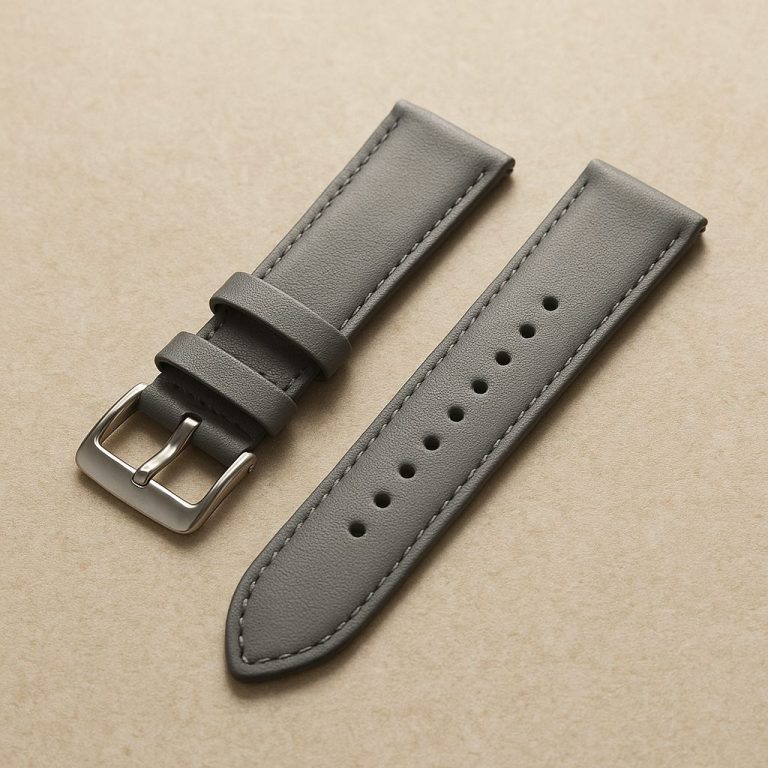
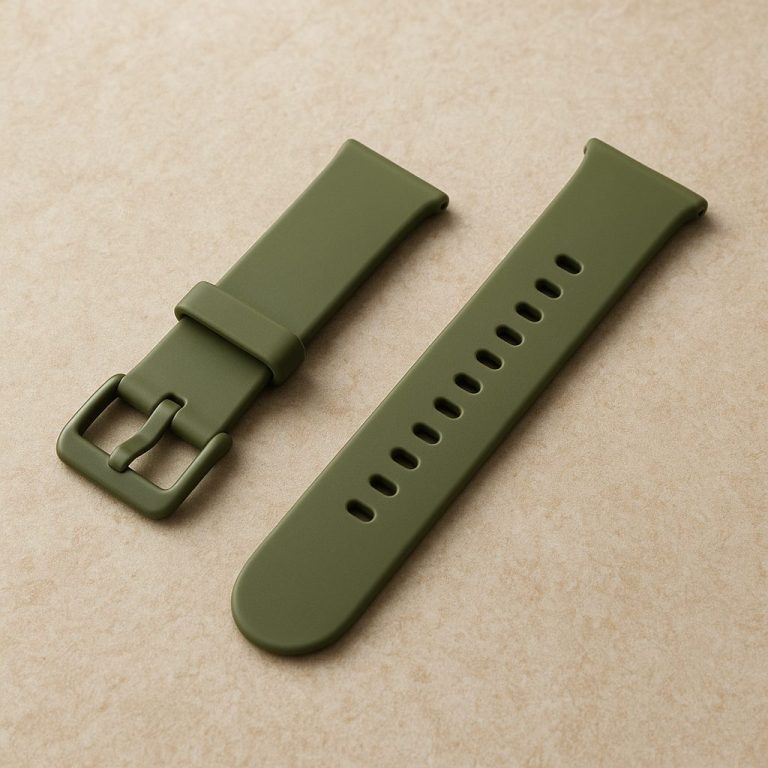
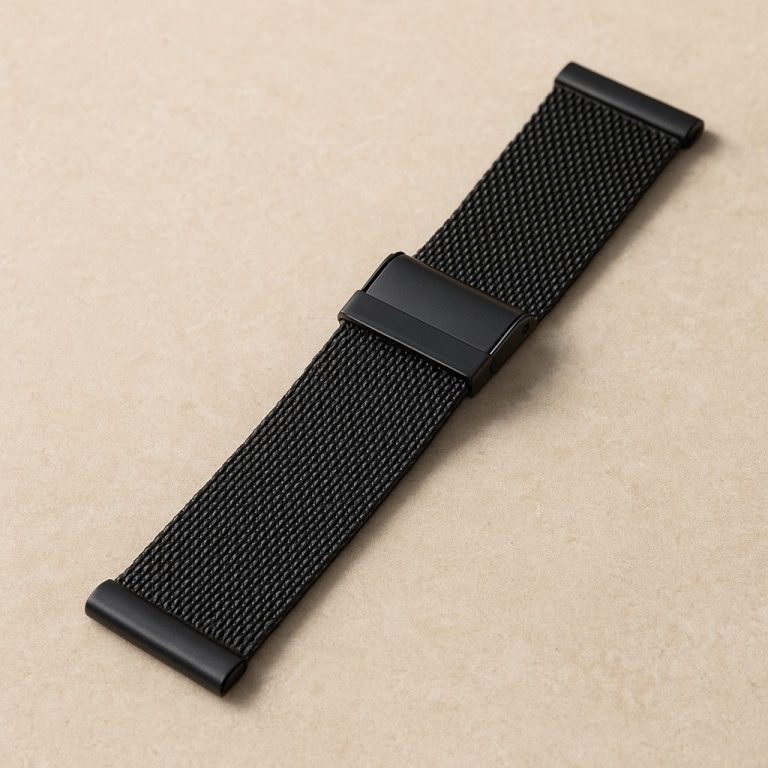
Durability plays a significant role. For instance, stainless steel bracelets are common for daily wear because they resist scratches and moisture better than leather or some fabric bands. A leather strap may feel supple at first but can absorb sweat or develop odors, making it less appealing for everyday use despite its comfort. Similarly, while silicone bands offer flexibility and water resistance, some people find that they attract dust or feel sticky over the course of a day, leading them to opt for other materials in practice.
Style and Context
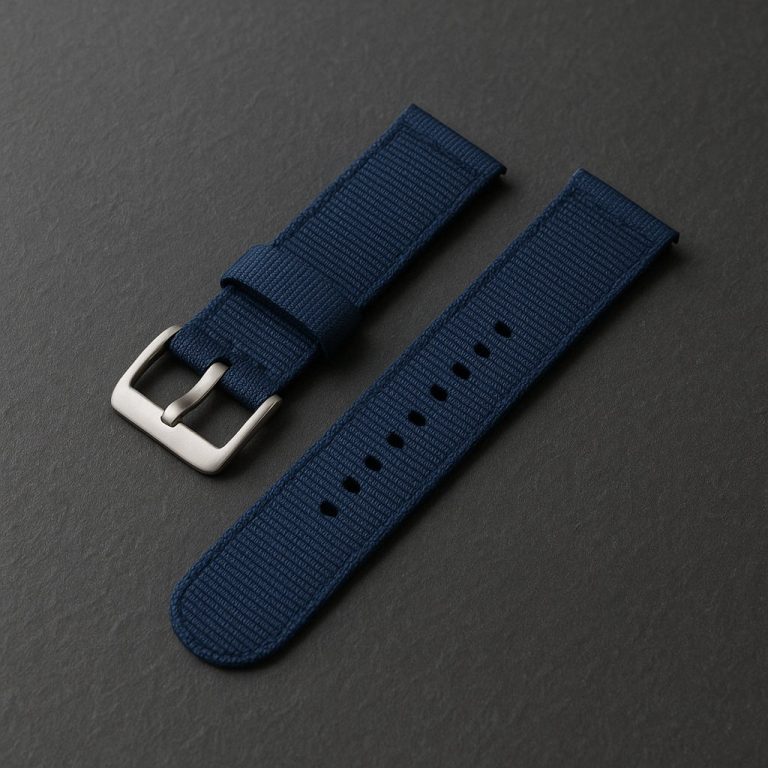
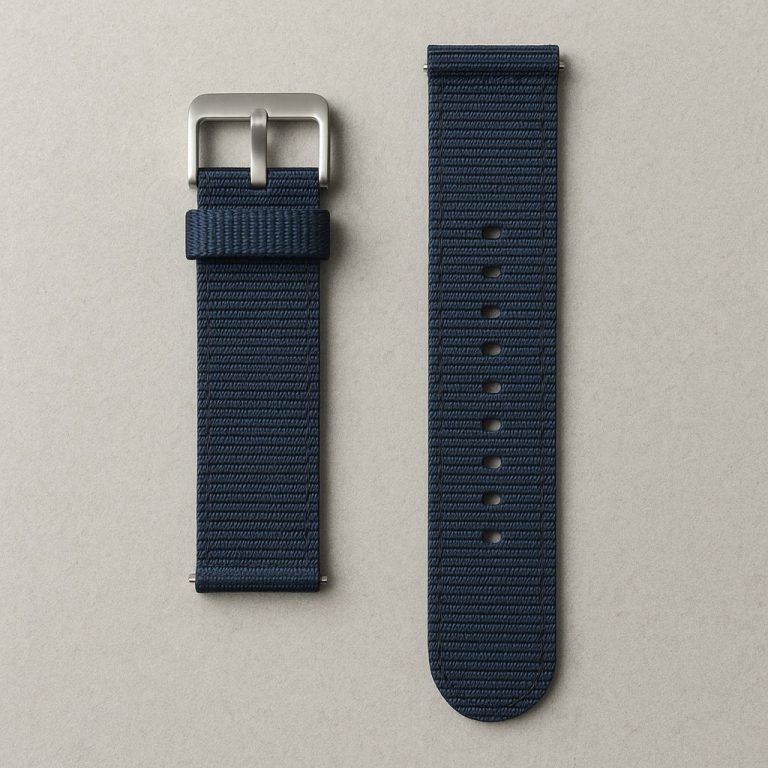
The look of a watch band can sometimes outweigh pure comfort. A fabric band—typically made from nylon or a nylon blend—may be soft and lightweight, but its casual appearance might not suit formal occasions. Metal bracelets, on the other hand, are often chosen for their versatility and classic look, even if they feel heavier or cooler against the skin. In some cases, a leather band may match an outfit better, prompting a wearer to choose it for social or professional events.
Maintenance and Cleanliness
Ease of cleaning is another practical consideration. Silicone bands and metal bracelets can be quickly rinsed or wiped clean, making them popular choices for activities involving sweat or water. Fabric bands, depending on their weave and thickness, might retain odors or take longer to dry after cleaning. This can discourage daily use, especially during warmer months or active days.
Security and Fit
The attachment method and adjustability of a band can influence perceived security. Some people prefer the snug fit of a hook-and-loop strap, which can be micro-adjusted throughout the day. Others trust the solid locking mechanism of a metal bracelet, even if it’s less forgiving on wrist size fluctuations. If a silicone band feels secure but stretches over time, it might eventually feel less reliable than a metal or tightly woven nylon band.
Comparing Real-World Band Choices
To illustrate how different factors interact, here is a table showing common reasons for wearing a specific band type more often, even when another might be more comfortable:
| Band Type | Comfort Level | Common Reasons for Frequent Use |
|---|---|---|
| Metal Bracelet (usually stainless steel) |
Moderate | Durability, style versatility, low maintenance |
| Leather Strap | High (at first) | Classic look, formal occasions, habit |
| Fabric Band (nylon or blend) |
High | Lightweight, breathability, casual style |
| Silicone Band | Very high | Water resistance, easy cleaning, active use |
This table highlights that the most comfortable band (often silicone or a soft fabric) may give way to others for reasons like durability, convenience, or style expectations.
Personal Preferences and Skin Sensitivities
Individual skin reactions can affect which band gets the most wear. For example, someone may find a leather strap comfortable initially, but sweat or humidity can cause skin irritation or discoloration over time. Nylon bands, which vary in weave and thickness, may suit those with sensitive skin if the texture is smooth and the weave is tight. However, a thicker or stiffer weave could cause discomfort, especially in hot weather.
Metal bracelets are generally hypoallergenic, especially those made from stainless steel, but some people may react to traces of other metals in the alloy. Silicone bands are often chosen by those with sensitive skin, though in rare cases, the material or accumulated moisture can cause rashes if worn continuously without cleaning.
Adaptation Over Time
What feels comfortable during a quick try-on can change after several hours of wear. A soft, thick fabric band might feel cushiony at first but become sweaty or itchy by the end of the day. A metal bracelet might seem stiff, but as you get used to its weight and temperature, it can become less noticeable. In some cases, the initial discomfort of a stiffer band is outweighed by the sense of security and familiarity it provides over time.
Matching Band to Activity and Environment
The context in which you wear your watch also plays a significant role. For exercise or outdoor activities, a silicone band is often preferred for its water resistance and flexibility. For office settings or formal events, a metal or leather band might be chosen for appearance, even if it’s not the softest option. Some people rotate bands throughout the week based on their plans, while others stick with a single option that best fits their routines.
Real-World Example: A Switch Driven by Practicality
Consider someone who owns a watch with both a nylon band and a metal bracelet. The nylon band might feel lightweight and barely noticeable in cool weather. However, if the job requires frequent hand washing or exposure to water, the wearer may switch back to the metal bracelet, knowing it dries quickly and doesn’t absorb moisture. Over time, the convenience of the metal bracelet may lead to wearing it more often, despite the nylon band being more comfortable in some conditions.
How to Choose the Best Band for Your Actual Use
When selecting a watch band, comfort is important, but real-world habits and needs often dictate what ends up on your wrist most of the time. Consider not only how the band feels initially, but also how it performs in your daily life, how it holds up to repeated wear, and whether it fits your routine and social context. A band that is easy to clean and fits securely may get more wrist time, even if it’s not the softest option available. By paying attention to these factors, you can match your watch band choice to your lifestyle rather than just your first impressions of comfort.